Pond Algae Removes 66% of Lead From India's Tainted Water
Scientists at IIT Guwahati discovered that common blue-green algae found in village ponds can remove toxic lead from contaminated water. The breakthrough offers a cheap, natural solution for the 275 million Indian children with dangerous lead levels in their blood.
Indian researchers just turned one of nature's most ordinary organisms into a powerful tool against a silent health crisis affecting hundreds of millions of children.
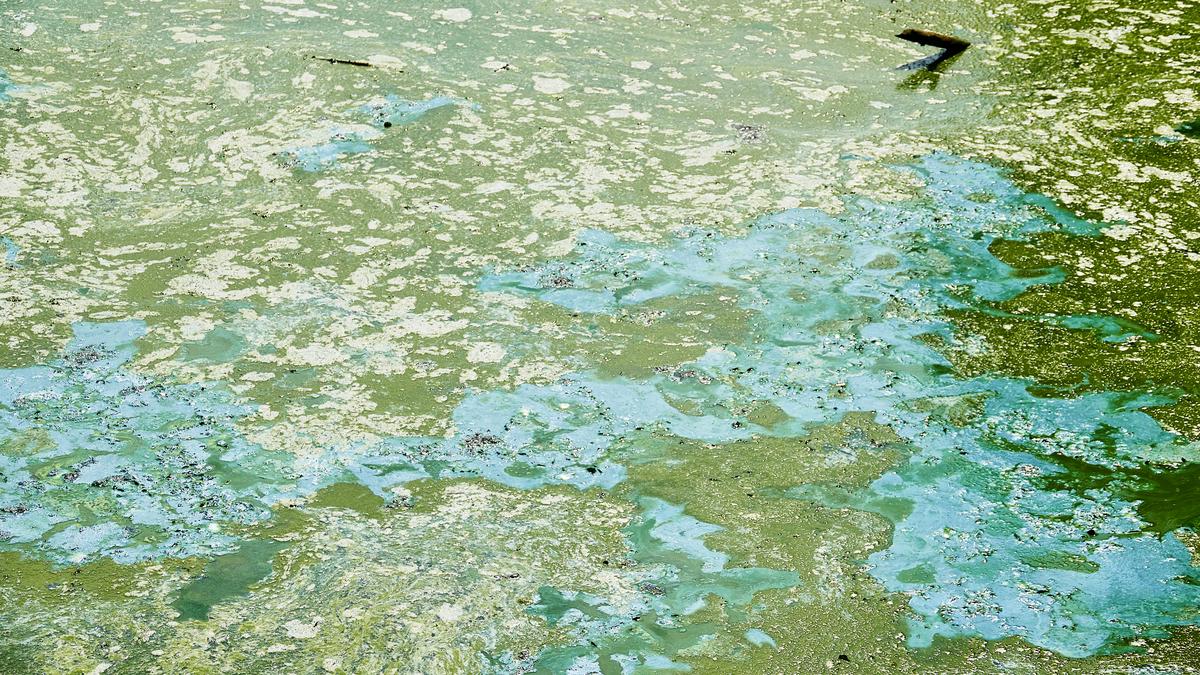
A team at the Indian Institute of Technology Guwahati found that cyanobacteria, the blue-green algae growing in village ponds and rice paddies across India, can pull lead out of polluted water. The simple organism removed an impressive 66.2% of lead contamination in their tests.
Professor Debasish Das and his team discovered the secret lies in a sticky, sugar-rich material called exopolysaccharides that the algae naturally produces. This substance binds to lead particles and traps them, cleaning the water as the algae does what it already does best: survive.
The timing couldn't be better. A 2020 UNICEF report revealed that more than 275 million children in India have blood lead levels at or above hazardous thresholds. Recent tests showed that 20 to 30% of groundwater samples in major Indian cities exceed safe limits set by the World Health Organization.
Current water treatment methods create their own problems. Chemical precipitation, membrane filtration, and ion exchange systems cost enormous amounts of money and energy. They also generate secondary pollutants that need disposal.
The algae solution changes everything. These organisms already live naturally in freshwater bodies throughout the country, making them free and renewable. The researchers found that the algae actually adjust their own chemical makeup to capture more lead, like a living filter that improves itself.
The benefits multiply beyond clean water. The same blue-green algae can team up with fungi to form special lichens, enrich soil by fixing nitrogen, and work as natural fertilizer to boost crop yields. One organism, multiple solutions.
The Ripple Effect
The research team isn't stopping at lab results. They're developing a scalable system that can continuously treat water containing multiple toxic metals and industrial wastewater.
This breakthrough could transform how developing nations approach water contamination. Instead of importing expensive technology, communities could use organisms already growing in their local water bodies. The solution literally lives in the problem.
The study, published in the Journal of Environmental Chemical Engineering, demonstrates how traditional water sources might hold the answers to modern pollution challenges. What farmers saw as pond scum could become a lifeline for millions of children.
A generation of Indian kids just got a fighting chance at healthier futures, thanks to the humblest of helpers living right in their backyards.
Based on reporting by The Hindu
This story was written by BrightWire based on verified news reports.
Spread the positivity!
Share this good news with someone who needs it