Porsche Builds First EV Battery From 100% Recycled Materials
Porsche just created the first electric vehicle battery cell with cathode material made entirely from recycled metals, not a blend or percentage. The breakthrough could reshape how the auto industry sources battery materials and reduce reliance on mining.
Porsche and German recycling specialist Cylib just pulled off something the automotive world has been chasing for years: a battery cell whose cathode is made entirely from recycled lithium, nickel, cobalt, and manganese.
Not 50%. Not 80%. All of it.
The cells rolled off a pilot production line and are now undergoing extensive testing. If they hold up, Porsche plans to use recovered materials in new battery production starting in 2028.
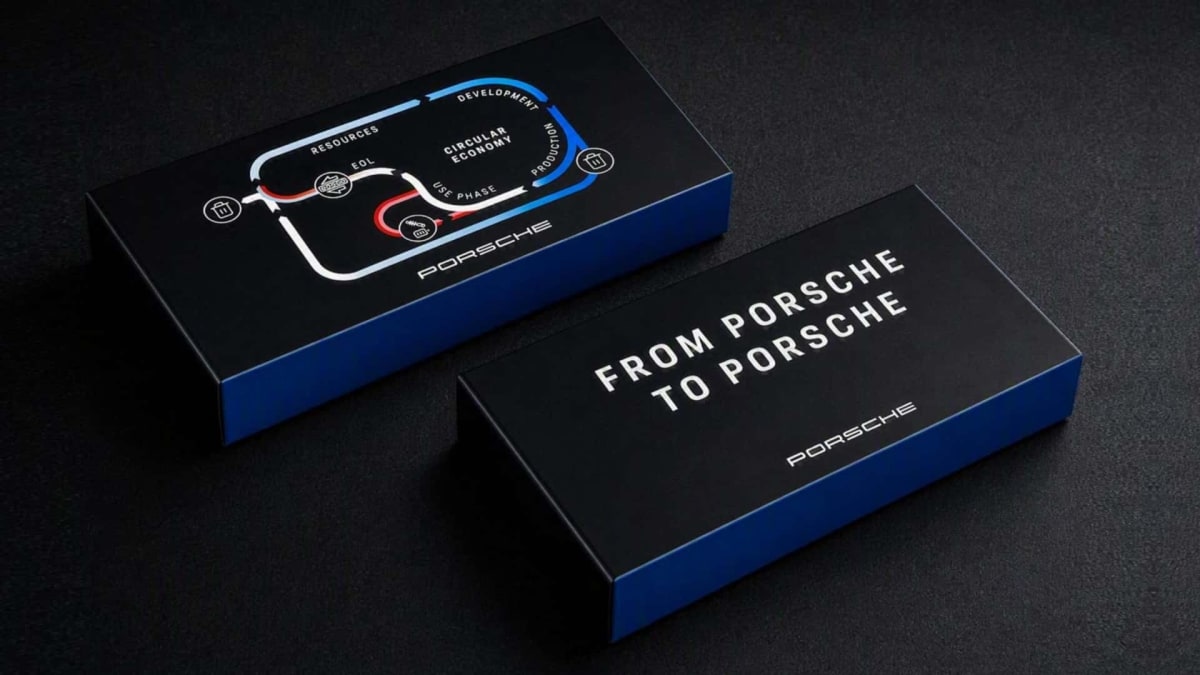
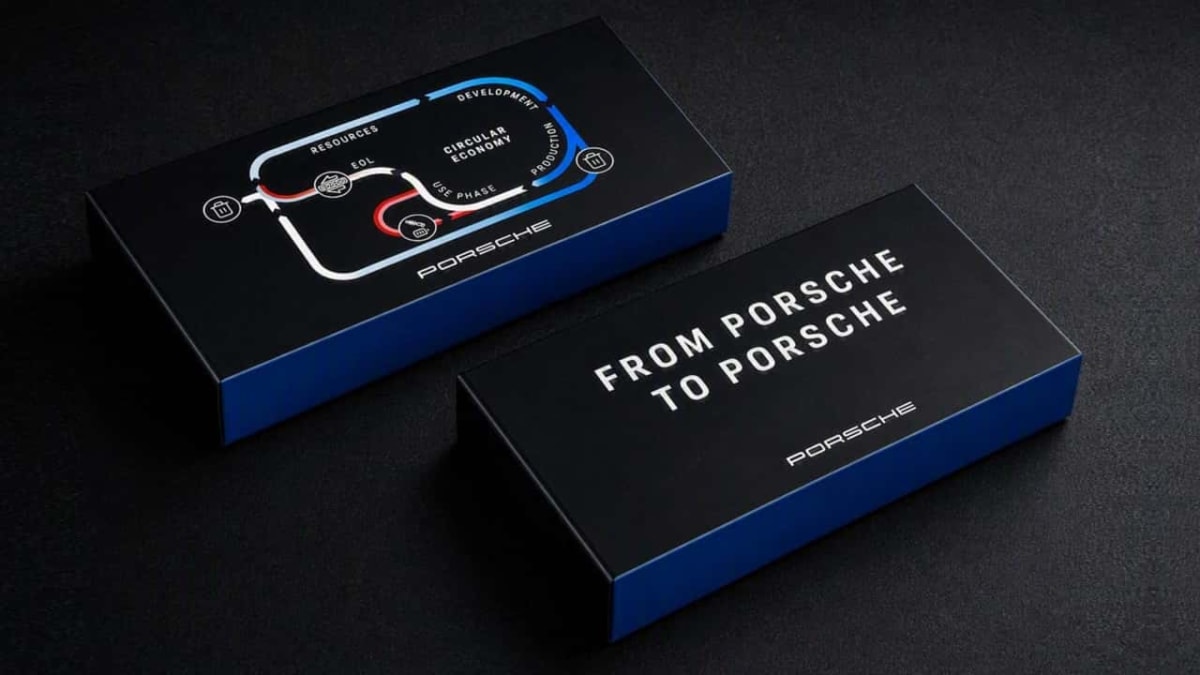
Since May 2026, every end-of-life high-voltage battery from Porsche Centers across Germany has gone through Cylib's water-based recycling process. Instead of sitting in storage or getting shipped off for basic scrap recovery, these batteries get a second life.
"With battery cells made entirely from recycled raw materials such as lithium and cobalt, we have achieved an important technological milestone," said Joachim Scharnagl, Porsche's procurement executive.
The hard part isn't just extracting metals from old batteries. It's getting them clean enough to go straight back into new cathode production without compromising performance.
Porsche tracks every gram of recovered material through a dedicated material account system. The tracking keeps recycled lithium, nickel, cobalt, and manganese separate and accounted for throughout the entire process.
Dr. Lilian Schwich, co-CEO of Cylib, put it simply: "Cylib closes the battery recycling loop, from end-of-life batteries to recovered raw materials."
The Ripple Effect
This breakthrough arrives just as Europe tightens battery regulations. Starting February 18, 2027, every EV battery over 2 kilowatt-hours sold in the EU must carry a digital battery passport.
That electronic record will track chemistry, lifecycle status, and recycled content using roughly 71 standardized data points. Battery makers will need to prove where their materials came from and where they'll go when the battery dies.
The European Union already sets minimum recovery rates for cobalt, copper, lead, nickel, and lithium. Porsche's pilot program puts them years ahead of compliance deadlines.
If the technology scales, it could cut the auto industry's dependence on mining operations that often come with environmental and ethical concerns. Other manufacturers would have a proven roadmap for closing their own battery loops.
For everyday drivers, nothing changes at the service center today. But the technology signals a future where your old EV battery becomes someone else's new one, keeping valuable materials in circulation instead of buried in landfills or sitting in storage facilities.
Porsche has two years to validate the process at scale before recycled materials touch a production vehicle, giving engineers time to ensure long-term reliability matches conventional batteries.
More Images

Based on reporting by Google: electric vehicle milestone
This story was written by BrightWire based on verified news reports.
Spread the positivity!
Share this good news with someone who needs it