Portable Stroke Scanner Tests Successfully in Ambulances
Australian doctors successfully tested a helmet-sized stroke scanner in ambulances, bringing life-saving diagnosis closer to patients. The device could transform emergency response during the critical first hour after a stroke.
When every minute counts after a stroke, help might soon arrive right at your doorstep instead of waiting at the hospital.
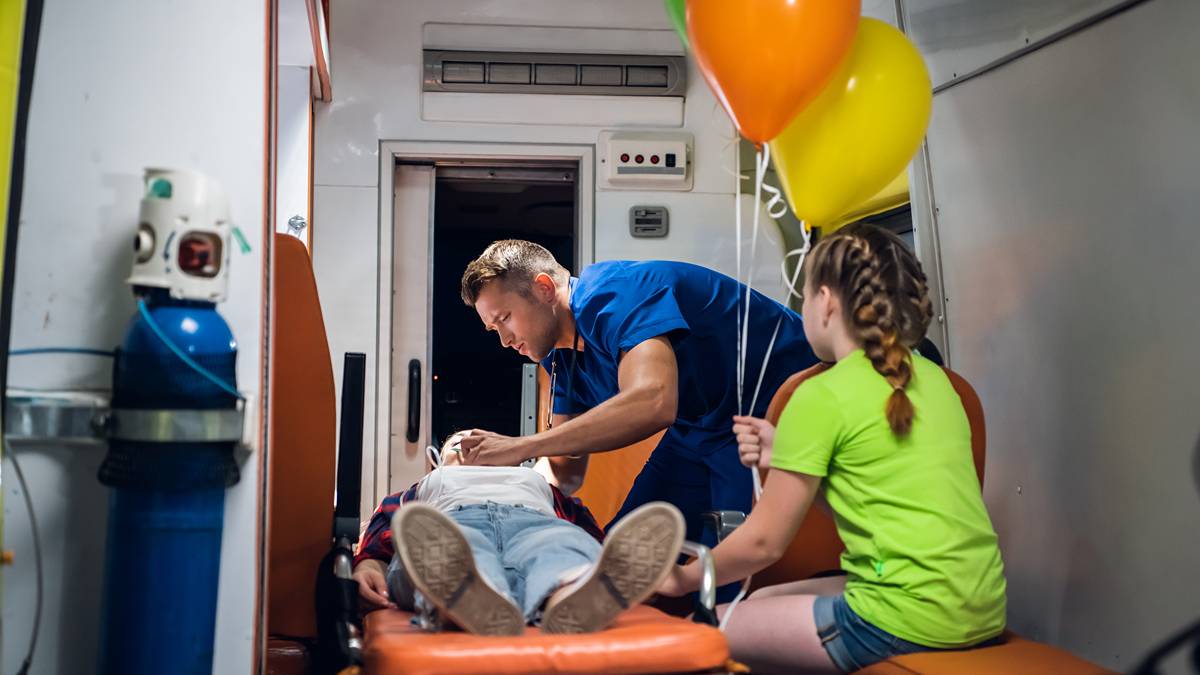
EMVision Medical Devices just completed successful real-world testing of its First Responder scanner, a lightweight device that detects strokes in ambulances and homes. The company partnered with Australia's first Melbourne Mobile Stroke Unit and the Royal Flying Doctor Service to prove the technology works outside hospital walls.
The breakthrough matters because traditional stroke scanning equipment is too heavy and bulky for ambulances. Only a handful of specialty stroke ambulances exist worldwide, leaving most patients waiting for hospital diagnosis during the crucial "Golden Hour" when treatment works best.
During the trial, medical teams scanned ten patients with an average age of 84 in their homes, workplaces, and moving ambulances. Each scan took about seven minutes and happened up to 18 kilometers from the hospital. Every operator reported the device was easy to use, and no complications occurred.
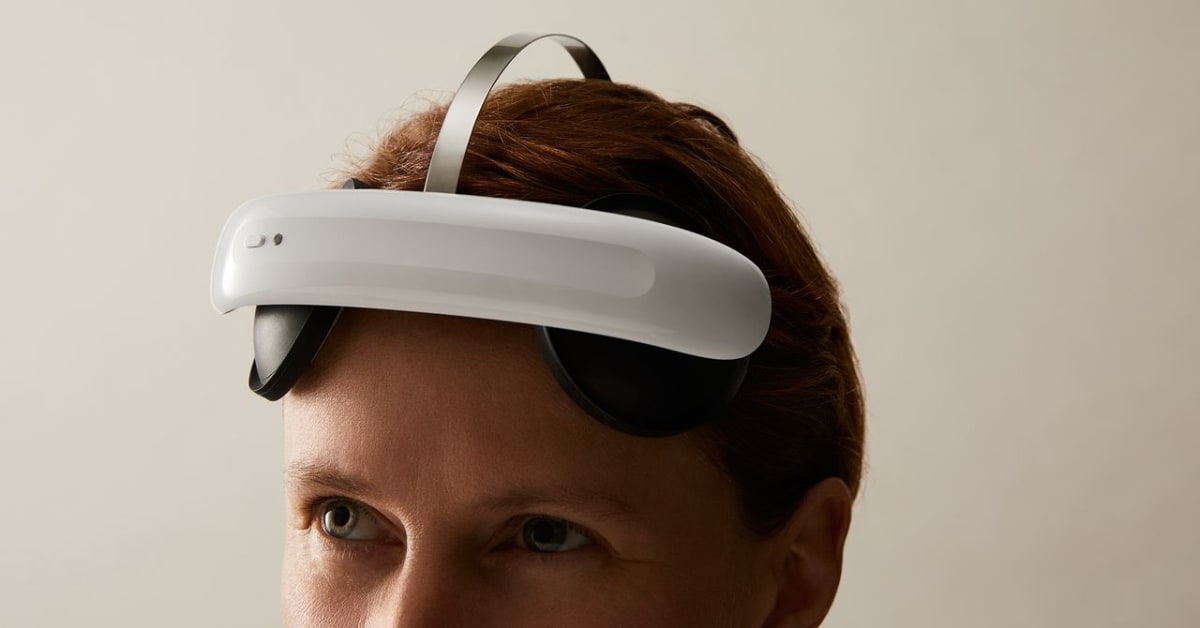
The helmet-sized scanner uses non-invasive, non-radioactive technology to determine whether a stroke involves a blockage or bleeding. This distinction guides doctors toward the right treatment immediately, potentially saving brain function and lives.
The Ripple Effect
The successful testing opens doors beyond ambulances. Remote communities served by flying doctors could receive stroke diagnosis without lengthy evacuations. Nursing homes could scan elderly residents immediately when symptoms appear. Workplaces in remote locations could become safer knowing help can reach employees faster.
EMVision is now developing next-generation units with even fewer components and lighter weight. The company secured partnership with the Australian Stroke Alliance to pursue additional research funding through the government's $40 million Golden Hour program.
Production-ready First Responder units should arrive by mid-2027. That timeline gives regulatory agencies time to review the technology while manufacturers scale up production for worldwide distribution.
The device represents years of engineering focused on one goal: shrinking hospital-grade technology into portable equipment that saves lives anywhere. Traditional CT scanners weigh thousands of pounds and require dedicated rooms with special electrical systems. First Responder weighs about as much as a helmet and plugs into standard ambulance power.
Australia leads global innovation in mobile stroke response, making it the ideal testing ground. The Royal Melbourne Hospital's mobile unit provided real emergency conditions that laboratory testing cannot replicate.
Every minute saved during stroke response means less brain damage and better recovery odds for patients. Bringing the scanner to patients instead of rushing patients to scanners could revolutionize emergency medicine for one of the world's leading causes of disability and death.
In a few years, stroke patients anywhere might receive the same rapid diagnosis currently available only in major hospitals.
More Images




Based on reporting by Google News - Health Breakthrough
This story was written by BrightWire based on verified news reports.
Spread the positivity!
Share this good news with someone who needs it

.jpg)