Portland's $1B Climate Fund Helps 20,000 Families
Portland's innovative climate fund has raised $1 billion since 2019 by taxing large corporations, delivering free AC units to 20,000 low-income families and training 2,000 people for green jobs. Other cities across America are now following Portland's blueprint for climate action that puts vulnerable communities first.
Portland just proved that fighting climate change and helping struggling families can happen at the same time.
Since 2019, the city's Clean Energy Community Benefits Fund has generated $1 billion through a simple idea: charging large corporations a 1% retail sales tax. The companies pay the tax, not consumers, and every dollar goes directly to climate projects that support Portland's most vulnerable residents.
The results speak for themselves. Over 20,000 low-income households now have free air conditioning units to survive increasingly hot summers. Another 3,100 homes received energy efficiency upgrades that slash utility bills while reducing carbon emissions.
But the fund does more than retrofit homes. It's creating opportunity where it's needed most.
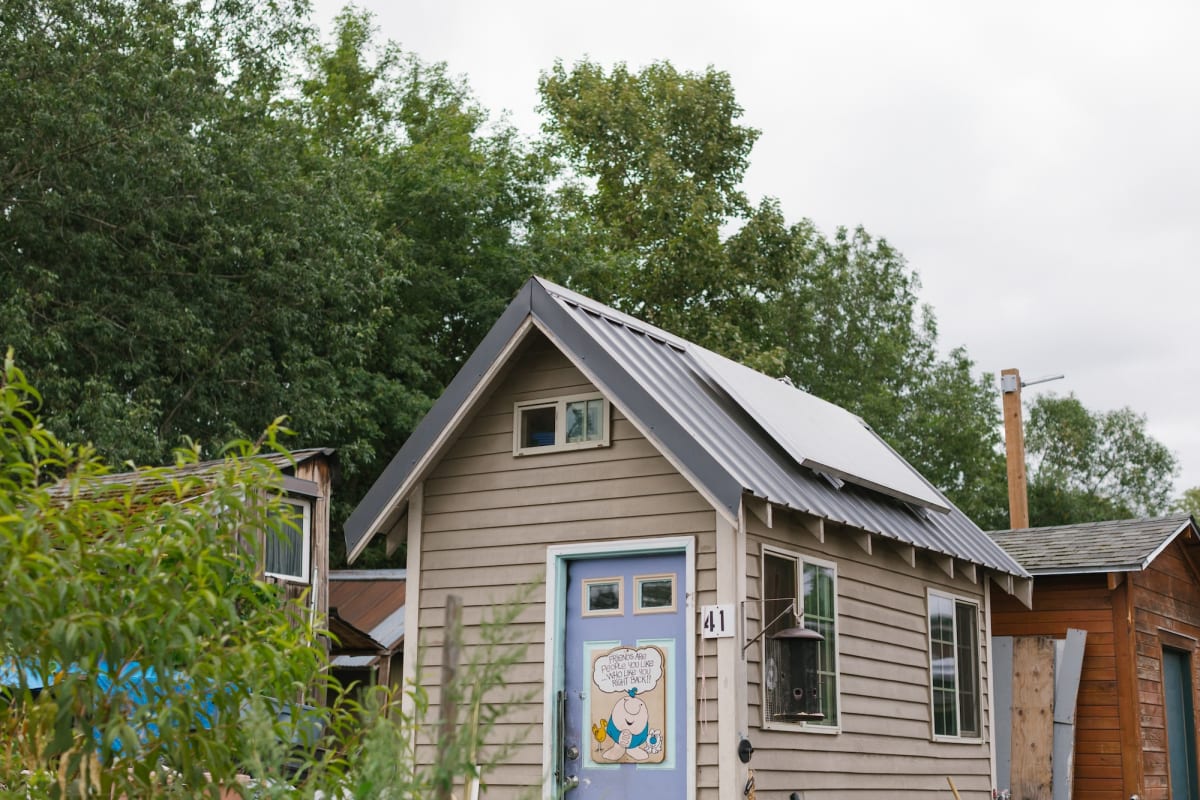
Two thousand people have completed training programs in renewable energy and construction jobs, gaining skills for careers in the growing green economy. Dignity Village, a transitional housing community, now runs on solar power thanks to a fund grant.
The fund has distributed $262 million across four grant rounds since 2021. Nonprofits receive anywhere from $8,000 for small projects to $10.3 million for major initiatives, all focused on reducing greenhouse gas emissions while helping people adapt to our changing climate.
The Ripple Effect
Cities nationwide are watching Portland's success and creating their own versions. Denver passed a 0.25% sales tax that raised $41 million for its Climate Protection Fund. Ann Arbor increased property taxes to fund climate action.
Each city adapts the model to local restrictions and needs, but they're all following Portland's core principle: climate action works best when it directly improves people's lives. Some jurisdictions can't legally implement Portland's exact retail tax structure, so they're getting creative with consumer taxes and property levies instead.
The fund represents a new kind of climate policy, one that Portland residents approved by public vote in 2018. Instead of abstract carbon goals, it delivers tangible help to families struggling with rising temperatures and energy costs while building the workforce needed for a clean energy future.
What started as one city's experiment is becoming a national movement, proving that bold climate action and community support aren't competing priorities but two sides of the same solution.
Based on reporting by Google News - Clean Energy
This story was written by BrightWire based on verified news reports.
Spread the positivity!
Share this good news with someone who needs it