Premium Kids' Brands Launch Their Own Resale Sites
Parents now have a trusted way to buy quality secondhand gear as top brands like Woom bikes launch official resale platforms. It's proof that eco-friendly choices and smart spending can go hand in hand.
Parents are discovering a middle ground between cheap products that break quickly and premium items with eye-watering price tags.
A quality kids' bike from Woom costs $400, but children outgrow it in months. Smart parents have been trading them through a massive 50,000-person Facebook group for years. Now Woom is launching its own official resale platform, and they're not alone.
Sixty percent of American parents now buy secondhand goods for their kids. The children's resale market is exploding from $7 billion in 2021 to a projected $12.8 billion by 2030. Premium brands are finally paying attention.
The Facebook groups work, but they have problems. Transactions aren't always secure, and finding the right size or model in your area takes hours of scrolling. Parents wanted something better, and brands realized they could help while building loyalty.
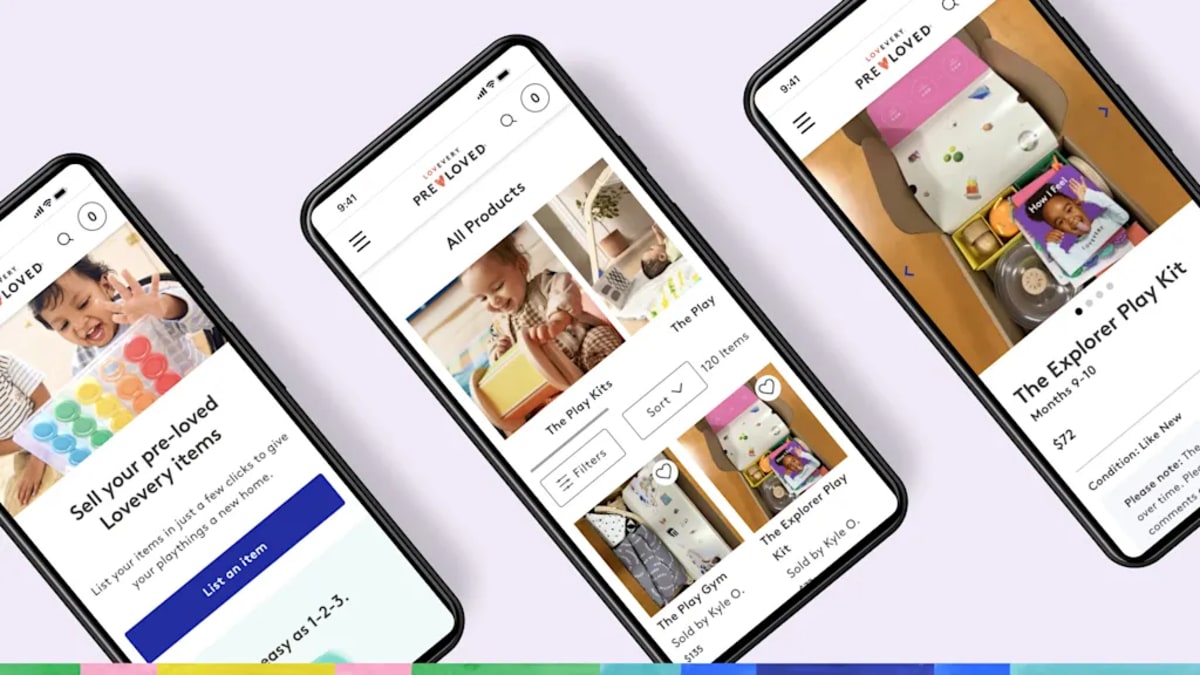
Woom partnered with Archive, a startup helping premium kids' brands launch resale programs quickly. Lovevery toys and Hanna Andersson clothing have already joined in. The goal is simple: make it easy for parents to buy quality products they can afford, then resell them when their kids grow.
Lindsey Markus-Yosha, Woom's U.S. head of marketing, sees it as showcasing long-term value. Parents can invest in the best product knowing they'll recoup money later. Kids get safer, better-designed gear. The planet gets less waste.
The Ripple Effect
This shift represents something bigger than saving money. For years, brands saw secondhand sales as competition cutting into profits. Now they're realizing resale programs build trust and bring new customers into the fold.
Parents who couldn't afford a $400 bike new might pay $250 for a gently used one. They experience the quality firsthand, then often buy new products from the same brand for their next child. It's creating a circular economy where quality matters more than constant consumption.
The environmental impact adds up too. Every reused bike or toy means one less item manufactured and one less thing in a landfill. Premium products built to last multiple children suddenly make financial and environmental sense.
This model proves that businesses can thrive by making sustainable choices easier for families, not harder.
More Images

Based on reporting by Fast Company
This story was written by BrightWire based on verified news reports.
Spread the positivity!
Share this good news with someone who needs it

%2Fhttps%3A%2F%2Ftf-cmsv2-smithsonianmag-media.s3.amazonaws.com%2Ffiler_public%2F1a%2F72%2F1a72d8cc-970c-48cf-83f6-b16e605ff5c0%2Flow-res_f26-plastic-cookies-hr.jpg)