Psilocybin Therapy Shows Promise for Anorexia Recovery
A new trial reveals that psilocybin therapy helped reduce anorexia symptoms in women who struggled with the eating disorder for an average of 11 years. Half the participants showed scores comparable to someone without a diagnosis after just three months.
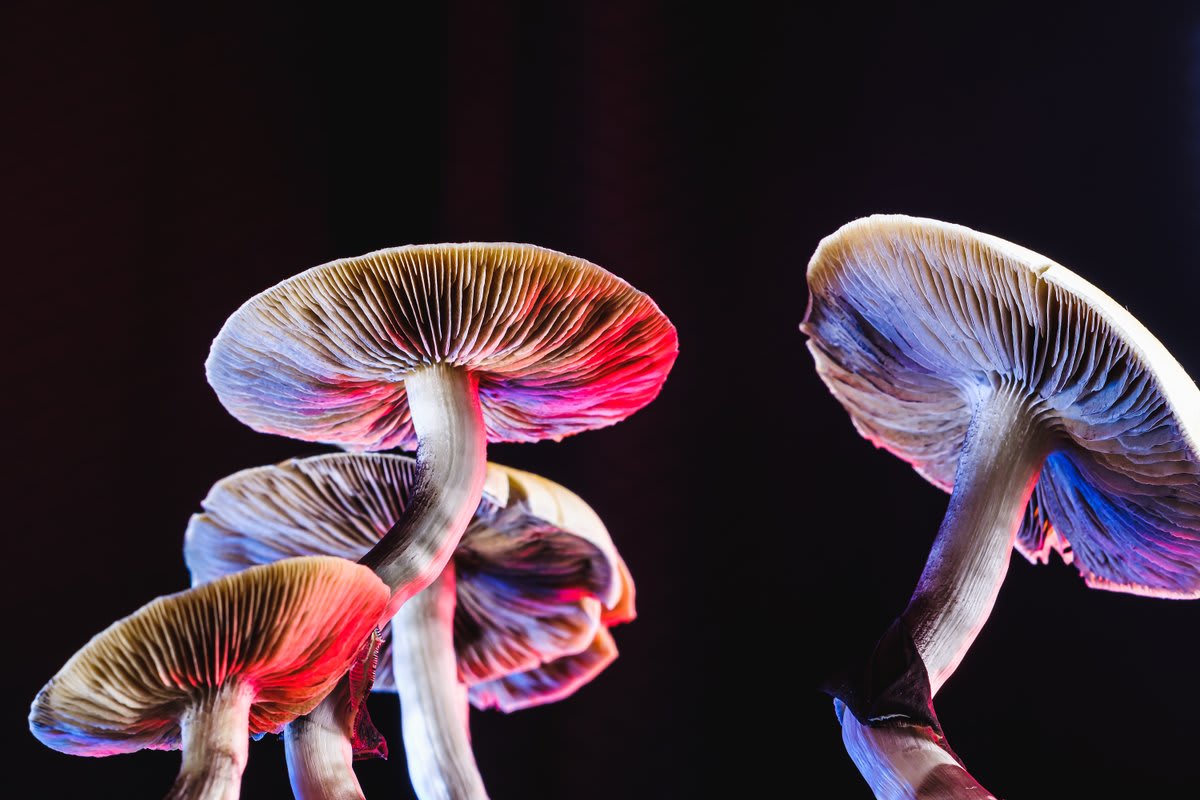
After six years battling anorexia nervosa, Christina had tried everything from behavioral therapy to months of in-patient care, but nothing worked. The London woman, then 34, was so consumed by the disease that she couldn't climb stairs or brush her teeth, and a desperate Google search in 2022 led her to an unusual clinical trial testing psilocybin, the active ingredient in magic mushrooms.
"I genuinely believe, had I not done that trial, I would either be stuck in a hospital loop, or I wouldn't be here today," Christina says. "It saved my life."
Anorexia nervosa carries the highest mortality rate of any psychiatric disorder, with patients 18 times more likely to die by suicide than the general population. Conventional treatments like cognitive behavioral therapy and antidepressants work in only about half of patients, leaving many people trapped in cycles of intrusive thoughts and compulsive behaviors with nowhere to turn.
That's why researchers at the University of California, San Francisco decided to try something different. They recruited 21 women who had lived with anorexia for an average of 11 years and gave them three doses of oral psilocybin over six weeks, combined with intensive talk therapy.
The results, published last month, surprised even the researchers. After three months, half the participants scored in the range of someone without an eating disorder diagnosis, and the motivation to recover lasted up to a year after the trial ended.
The Bright Side
What makes this approach different is what it doesn't focus on. The therapy included no nutritional intervention, no emphasis on gaining weight, and researchers didn't see meaningful changes in body mass index. Instead, therapists concentrated on self-compassion and family support, helping participants rebuild their relationship with themselves rather than just their relationship with food.
The treatment works by breaking down mental barriers that keep people stuck in harmful patterns. Robin Carhart-Harris, a professor of neurology and psychiatry at UCSF, predicts the FDA could approve psilocybin for treating eating disorders or depression within five years.
Another small study published in 2023 found similar results, with four out of 10 patients experiencing significant drops in their eating disorder scores after a single psilocybin dose. While the research is still early and the trials are small, the consistency of positive outcomes offers hope for people who have run out of options.
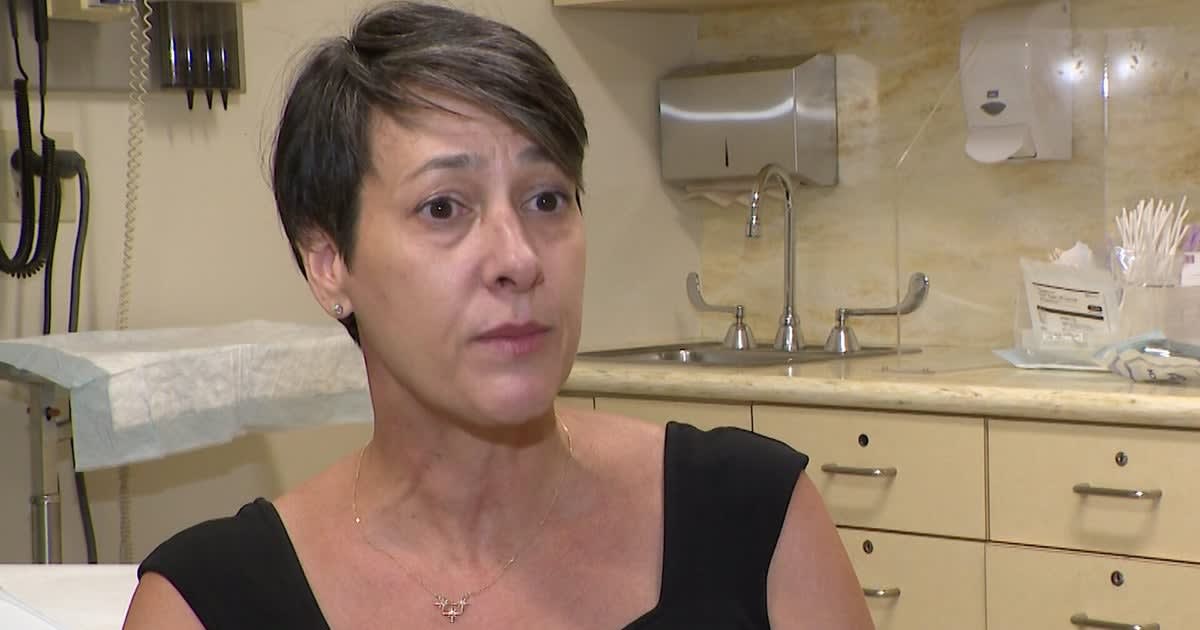
"Psilocybin therapy has the potential to stop a lot of unnecessary suffering," says Jennifer Danby, a psychotherapist who specializes in eating disorders and worked on the trial.
For Christina, the therapy gave her back what anorexia had stolen: joy, laughter, relationships, and a life beyond the disease.
More Images


Based on reporting by Scientific American
This story was written by BrightWire based on verified news reports.
Spread the positivity!
Share this good news with someone who needs it