Pune Students Turn Boat Oil Into Income for 200 Fishermen
Students from Pune helped fishermen on India's Konkan coast turn toxic engine waste into earnings while keeping nearly 3,000 liters of harmful oil out of the ocean. The simple system created jobs and protected the fish that feed coastal communities.
For years, fishermen along Maharashtra's Konkan coast drained black toxic oil from their boat engines and dumped it straight into the sea, not realizing the poison was ending up on their dinner plates.
Gaurav Khanvilkar, a 36-year-old fisherman from Devgad, watched it happen for years. "Whatever we throw into the sea comes back to us on our plate," he now says, reflecting on a practice that sent nearly 300,000 liters of used engine oil into coastal waters annually.
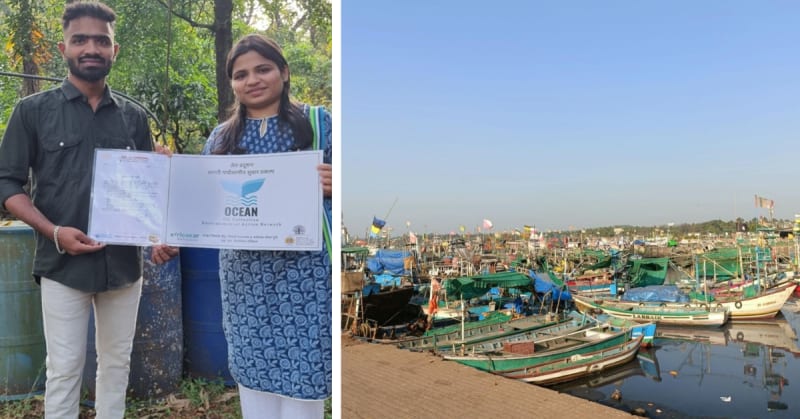
Two researchers from Pune's Gokhale Institute of Politics and Economics, Shruti Ghag and Pooja Sathe, grew up in these coastal towns. When they returned as environmental scientists in 2023, they recognized the invisible danger immediately.
The oil formed films on the water surface, damaged plankton and algae, harmed baby fish and shellfish, then traveled up the food chain to the fish families were eating. Fishermen had no storage containers, no collection system, and no reason to keep the waste since it had no value.
In October 2023, the team launched the OCEAN initiative with a straightforward solution. They created a market where fishermen could sell their used oil instead of dumping it, trained local youth to collect and transport it safely, and connected everyone to licensed recyclers who could process it properly.
The key was making it profitable for everyone involved. Fishermen earned money for waste they once threw away, young collectors got steady work, and recyclers received a reliable supply of material.
Building trust took time. The team spent six months visiting landing centers across Ratnagiri, Sindhudurg, and Raigad districts, talking with fishermen and understanding their daily routines before proposing any changes.
They created a 12-minute documentary explaining how the oil harmed marine life and human health. The message resonated because it came from people who understood fishing communities from the inside.
The Ripple Effect
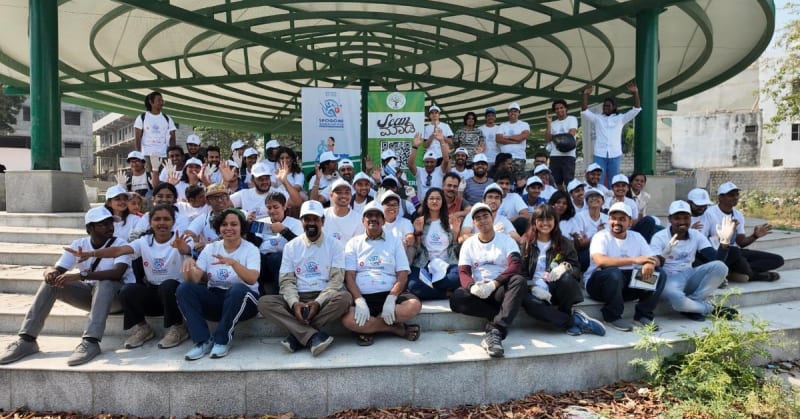
Since July 2024, the initiative has collected 2,800 liters of toxic oil that would have otherwise polluted coastal waters. Over 200 fishermen across three districts now participate, turning environmental waste into supplemental income.
Local youth trained as OCEAN partners have gained employment collecting and managing the oil safely. The system runs on market principles rather than charity, which means it can sustain itself without constant outside funding.
The recycled oil gets processed into industrial lubricants and other products, completing a circle that once ended in ocean pollution. Marine ecosystems get cleaner water, fishing communities protect their food source, and everyone involved earns something in the process.
Gaurav now stores his used oil in proper containers and calls the collectors when he has enough to sell. "We understand now that protecting the sea means protecting our livelihood," he says.
What started as two researchers noticing a familiar problem has become a replicable model for coastal communities anywhere fishing boats and engine oil meet the sea.
More Images
%2Fenglish-betterindia%2Fmedia%2Fmedia_files%2F2026%2F01%2F30%2Fgokhale-institute-ocean-initiative-2026-01-30-17-00-44.png)
%2Ffilters%3Aformat(webp)%2Fenglish-betterindia%2Fmedia%2Fmedia_files%2F2026%2F01%2F30%2Fgokhale-institute-ocean-initiative-2026-01-30-17-33-08.png)
%2Ffilters%3Aformat(webp)%2Fenglish-betterindia%2Fmedia%2Fmedia_files%2F2026%2F01%2F30%2Fgokhale-institute-ocean-initiative-2026-01-30-17-35-16.png)
Based on reporting by The Better India
This story was written by BrightWire based on verified news reports.
Spread the positivity!
Share this good news with someone who needs it