Purdue Launches October Hunt for Amelia Earhart's Plane
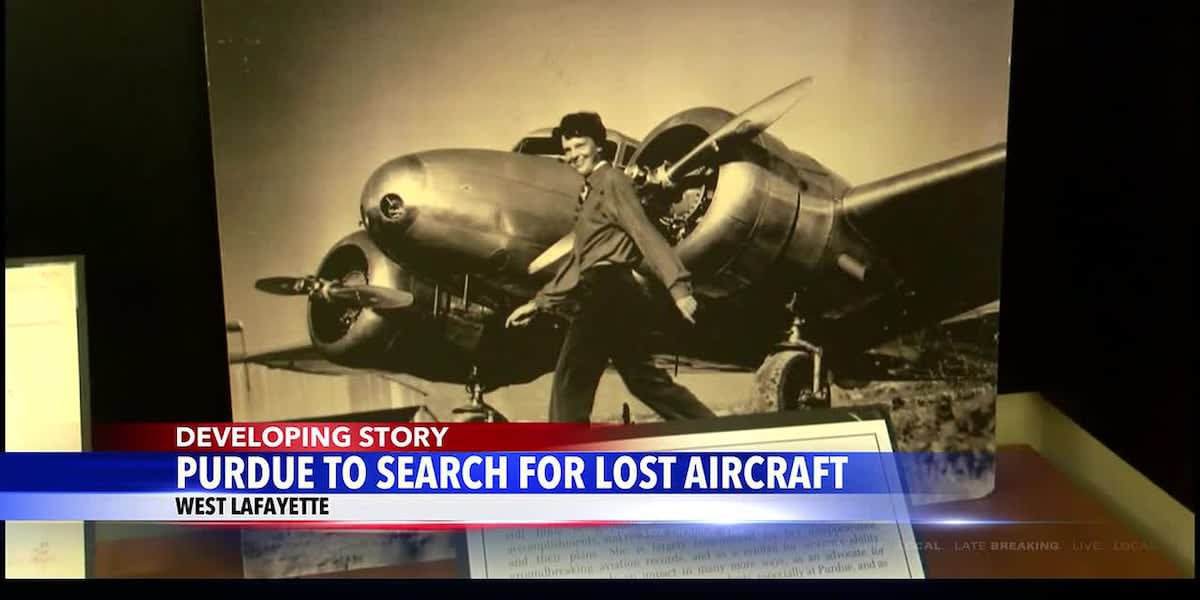
Nearly 90 years after Amelia Earhart vanished over the Pacific, researchers are finally getting the green light to investigate what could be her lost aircraft. A Purdue-led team will search a remote lagoon in October after years of planning.
After almost nine decades of mystery, one of aviation's greatest unsolved disappearances might finally get answers.
Purdue University researchers announced a major expedition launching this October to search for Amelia Earhart's lost Lockheed Electra. The timing is meaningful: the announcement came on what would have been Earhart's 129th birthday.
The Archaeological Legacy Institute, Purdue Research Foundation, and Purdue University are partnering on the Taraia Object Expedition. The team will investigate a visual anomaly spotted in a lagoon that could be the remains of Earhart's plane.
The expedition faced significant delays after its initial 2025 announcement. Researchers needed approval from the government of Kiribati, the island nation where the search will take place. Those permissions are now officially secured, clearing the path for the October departure.
Three Purdue representatives will join the search team: Steve Schultz, Sirisha Bandla, and Marc Hagle. Their connection to this mystery runs deep. Earhart served as a visiting faculty member at Purdue and was flying a plane funded by the university when she disappeared in 1937.
The search focuses on what researchers call the "Taraia Object," located in a lagoon. Advanced technology and underwater exploration techniques will help the team determine whether this anomaly is actually aircraft debris.
Why This Inspires
Earhart disappeared while attempting to become the first woman to fly around the world at the equator. Her courage inspired generations of aviators and adventurers, particularly women in STEM fields.
The fact that researchers are still searching after 90 years speaks to the enduring power of her legacy. Every attempt to solve this mystery honors not just Earhart's memory, but the spirit of exploration she embodied.
Modern technology now makes it possible to explore ocean depths that were unreachable decades ago. What seemed impossible to earlier generations of searchers might finally yield answers.
For the families, historians, and aviation enthusiasts who have waited decades for closure, October represents a moment of genuine hope built on scientific advancement and international cooperation.
Based on reporting by Google News - Researchers Find
This story was written by BrightWire based on verified news reports.
Spread the positivity!
Share this good news with someone who needs it