Qatar Shares 2022 World Cup Expertise with 2026 Hosts
As the 2026 World Cup approaches, Qatar is sending expert teams to North America to help the US, Canada, and Mexico prepare. The knowledge sharing covers everything from fan experiences to tournament operations.
When you host one of the most memorable World Cups in history, the world wants to know your secrets.
Qatar is now sharing the playbook from its 2022 tournament with the cities preparing to welcome millions of fans for the 2026 FIFA World Cup. Under an agreement with FIFA, experts from Qatar's Supreme Committee for Delivery and Legacy have been working across the US and Canada since last month.
The 2026 tournament will break records as the first World Cup spanning three countries. The US, Canada, and Mexico will host 104 matches featuring 48 teams, making it the biggest football celebration ever organized.
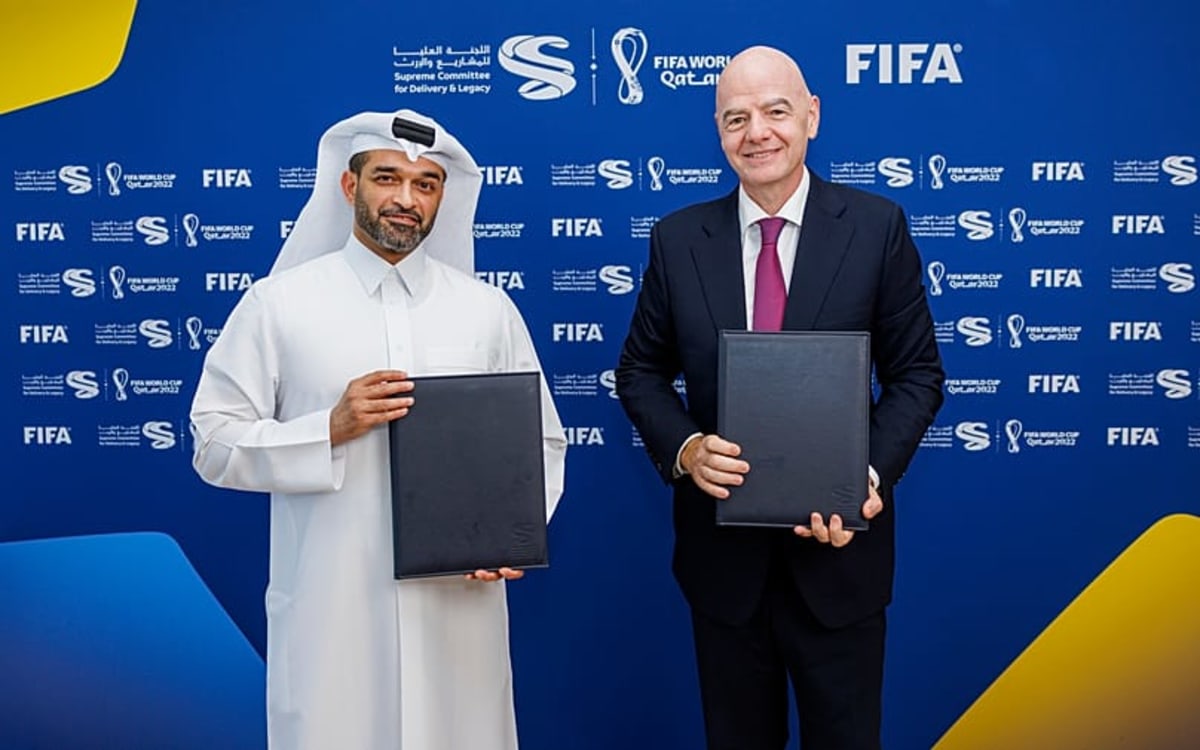
"This is just a continuation of our partnership with FIFA," said Supreme Committee CEO Jassim Al Jassim. His teams are helping North American cities with tournament operations, workforce readiness, fan engagement, and technology systems.
FIFA President Gianni Infantino praised Qatar's commitment at a signing ceremony earlier this month. He said he can "certainly sleep well at night" when Qatar is involved in tournament planning.
The Ripple Effect
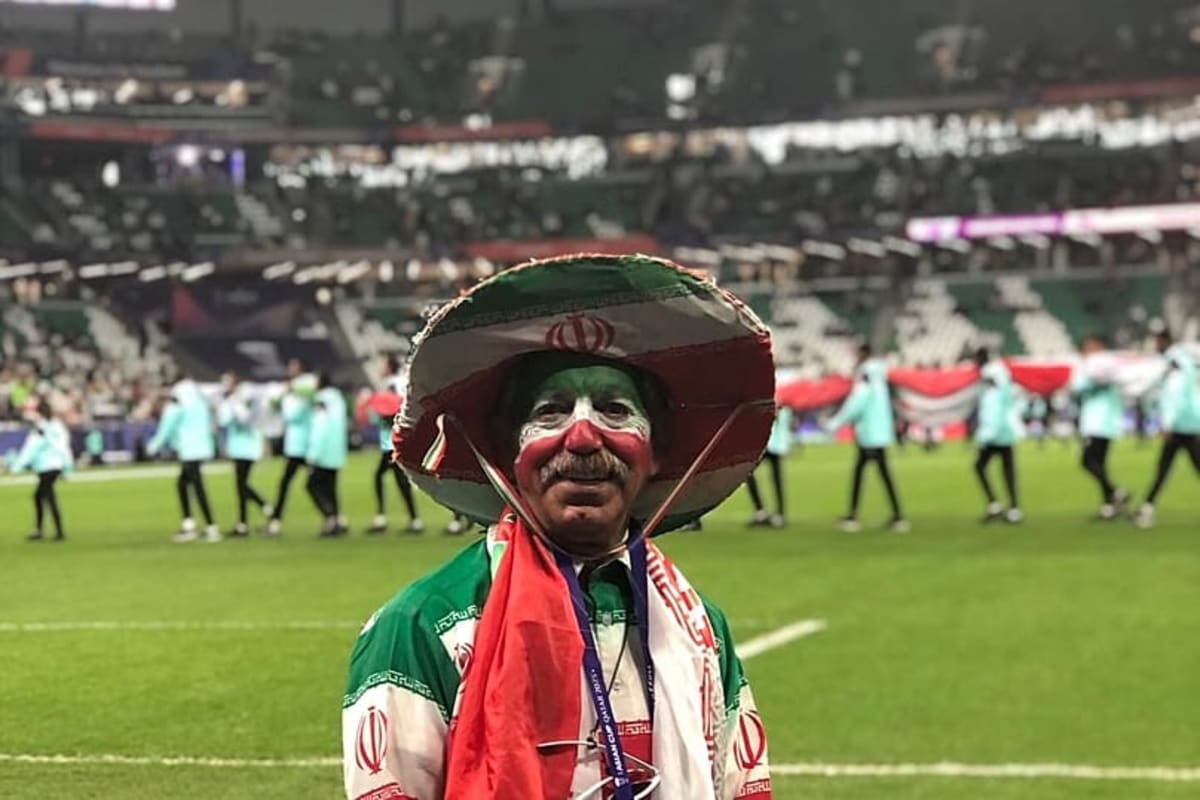
For fans like Mohammad Mirza, an Iranian football superfan who attended multiple matches in 2022, Qatar set a new standard. The compact country allowed him to watch two games in a single day, thanks to free transport and stadiums located close together.
He also remembers the warmth of Qatari residents. "They were giving free food to all the spectators," Mirza recalled. "They said, ahlan wa sahlan, welcome, welcome."
Al Jassim believes these cultural connections represent football's true power. "It's very important that all these people mingle with each other, meet each other and see each other's culture," he said.
Qatar isn't slowing down after 2022. The country is bidding for the Olympics and has already secured the Asian Games in 2030, the FIBA Basketball Championship in 2027, and the Volleyball Championship in 2028.
The infrastructure built for the World Cup was designed with this future in mind. "That was the whole intent of investing within the infrastructure to keep it as a lasting legacy," Al Jassim explained.
The 2026 World Cup kicks off in less than a month, and thanks to lessons learned in Doha, fans across North America can expect a smoother, more welcoming experience than ever before.
More Images


Based on reporting by Euronews
This story was written by BrightWire based on verified news reports.
Spread the positivity!
Share this good news with someone who needs it