Queensland Town Traps 80 Invasive Birds in DIY Program
A wildlife carer in Charleville, Queensland launched her own bounty program to protect native species from invasive Indian myna birds. Her DIY conservation effort has removed more than 80 birds and inspired neighboring communities to take action.
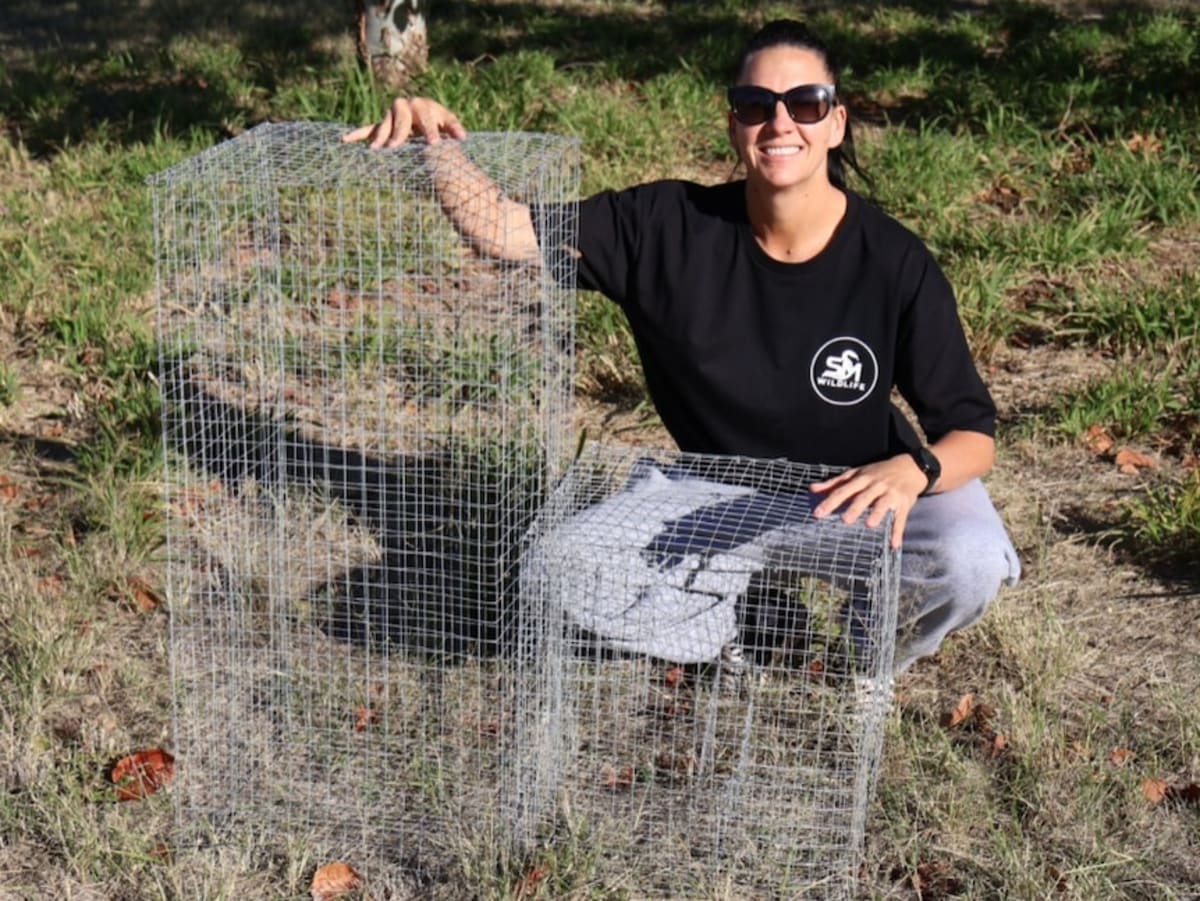
Shannon Mathes loves the native wildlife around her Queensland home so much that she started paying neighbors $5 per bird to help protect them.
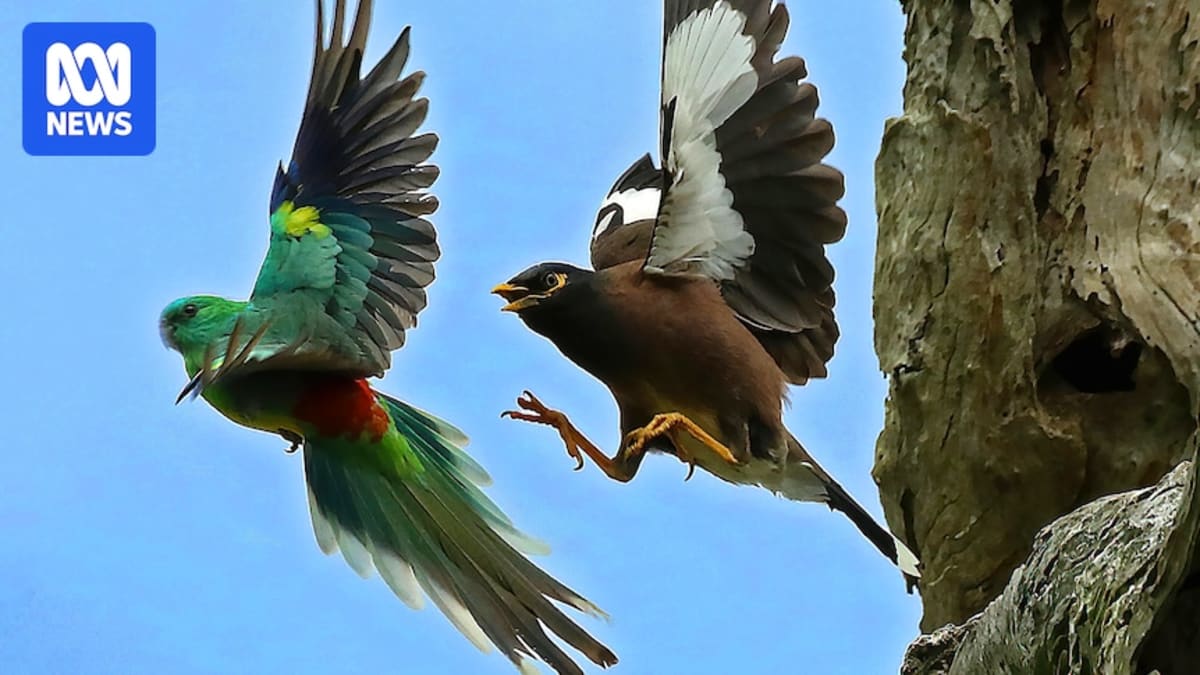
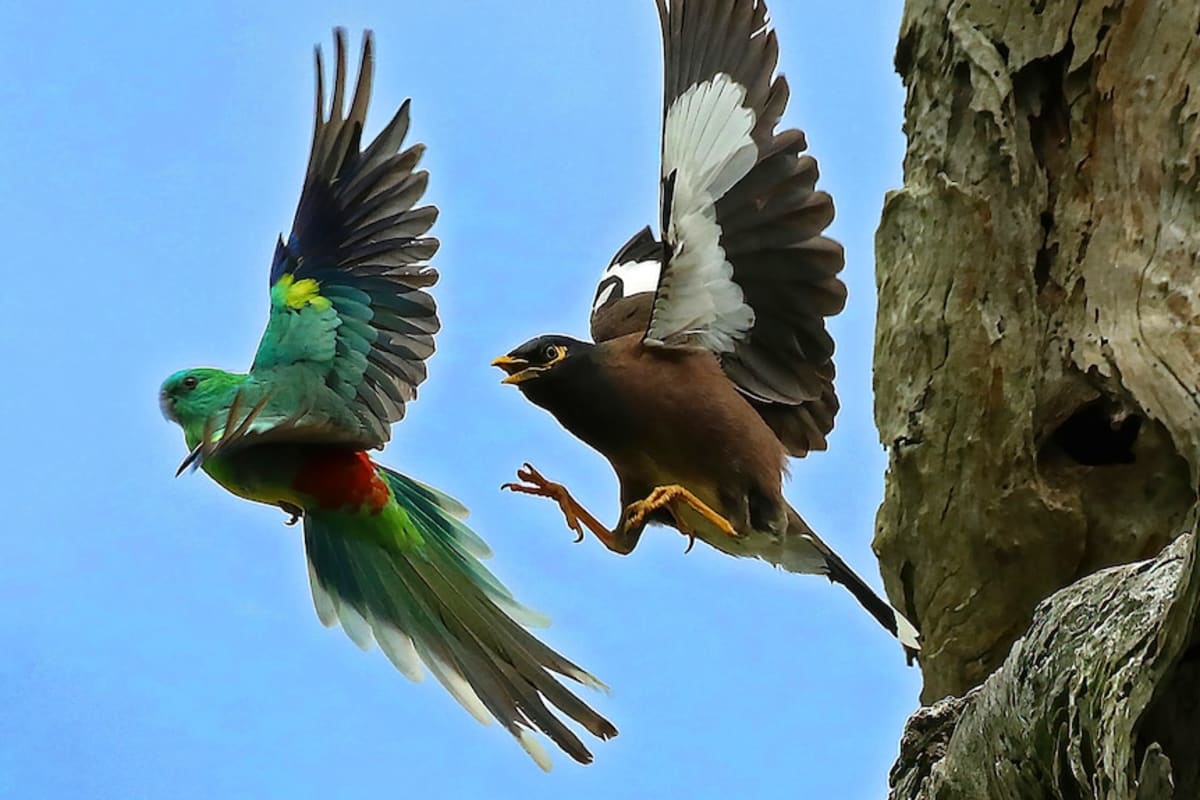
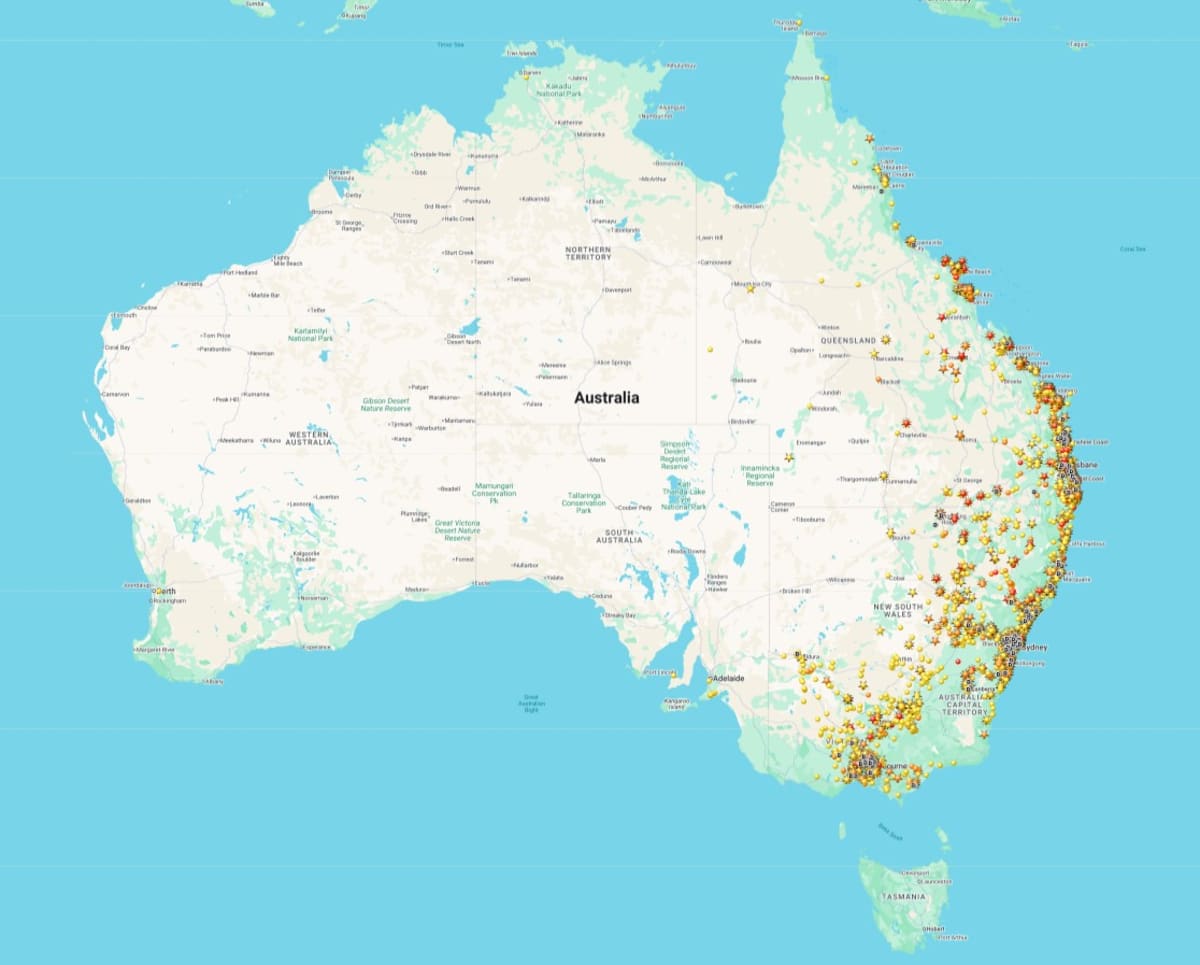
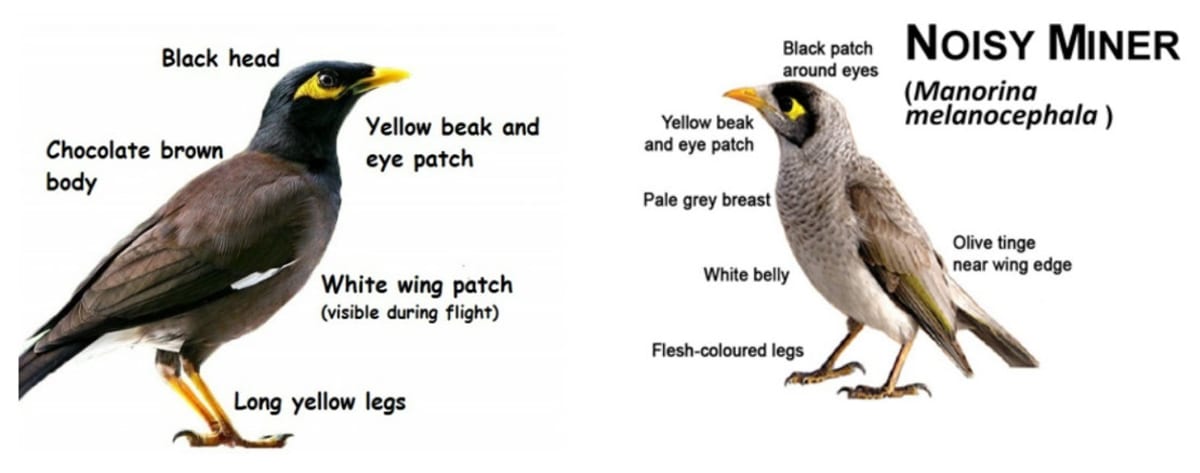
The Charleville wildlife carer launched a self-funded bounty program targeting Indian myna birds, an invasive species that pushes out native parrots, possums, and gliders from their nesting spots. In just months, her grassroots effort has trapped more than 80 birds and sparked similar initiatives across the state.
"They're driving out all of our native wildlife from all our local trees," Mathes said. Rather than wait for government action, she bought traps, created a humane removal plan, and recruited community volunteers.
Her success caught the attention of councils across Queensland. The Gladstone Regional Council now offers its own $5 bounty and has removed 2,500 invasive birds since 2015.
About 800 kilometers north in Mackay, Sian Swales started a community action group after noticing the problem spiraling. The Mackay Regional Council now encourages residents to borrow traps through her organization, turning concerned citizens into conservation volunteers.
"It just shouldn't be up to us," Swales said. But while she advocates for coordinated government programs, she's not waiting around to make a difference.
The Ripple Effect
These community-led programs show how local action can protect ecosystems when larger systems move slowly. Volunteers bait traps with pet food, monitor them daily, and work with authorities for humane euthanasia.
The movement is spreading beyond Queensland's borders. Similar grassroots efforts have launched in communities where the invasive species threatens native birds.
Gladstone councillor Glenn Churchill credits early community action with preventing a larger crisis. "If you don't deal with a small problem to start with, it will become a bigger problem you won't be able to deal with," he said.
Mathes plans to expand her program across western Queensland, sharing her trapping data with national parks and local governments. She hopes her $5-per-bird incentive motivates more neighbors to become conservation partners before the invasive population grows beyond control.
For now, she's celebrating every native bird nest that stays protected and every volunteer who joins the cause.
More Images
Based on reporting by ABC Australia
This story was written by BrightWire based on verified news reports.
Spread the positivity!
Share this good news with someone who needs it