Race Car Made From Plants Cuts Carbon Footprint by 54%
Lola Cars just built a vintage race car using magnesium from seawater, volcanic rock, and plant fibers that's cleaner than the original. The retro ride proves green technology can work in the most unexpected places.
A historic race car company just proved that going green doesn't mean sacrificing performance or style.
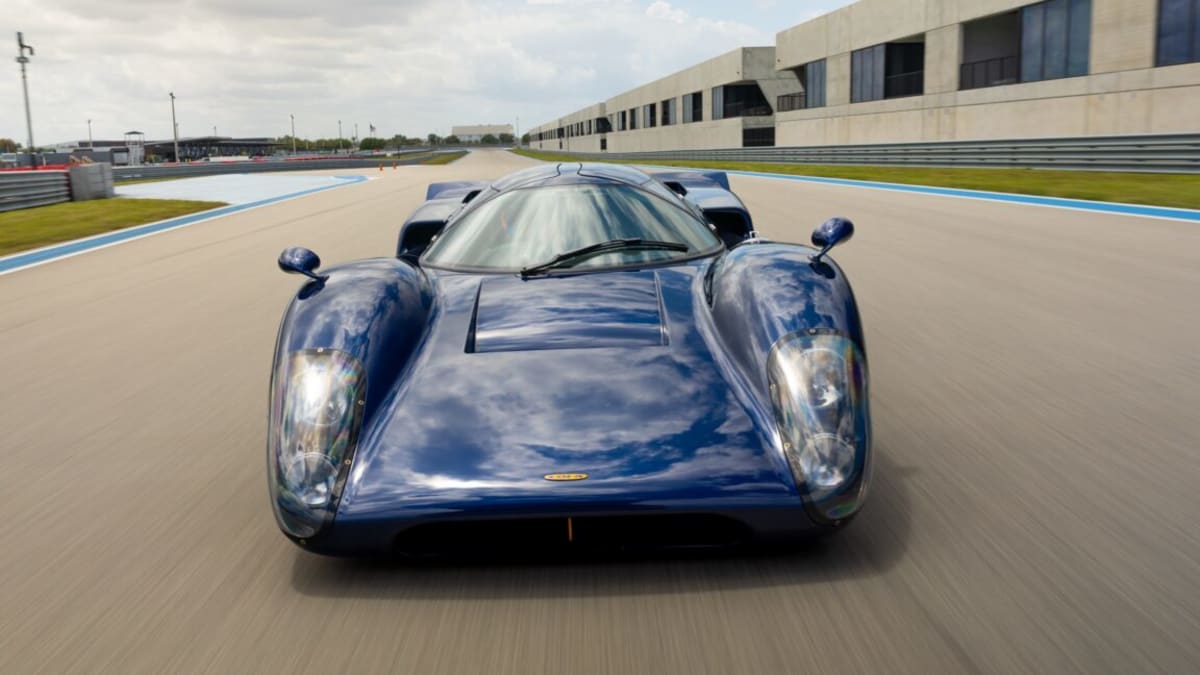
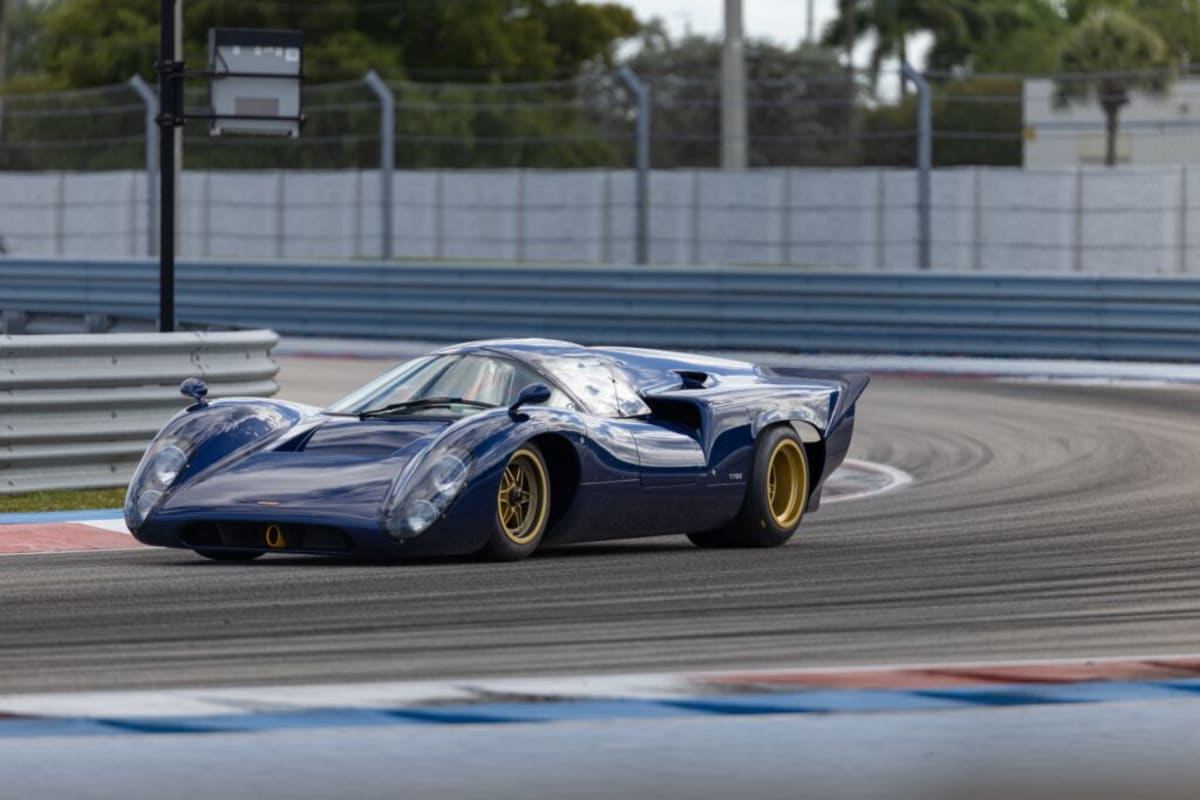
Lola Cars rebuilt its legendary 1960s T70 race car using materials that sound like a science experiment: magnesium extracted from seawater, volcanic basalt fibers, and flax plants mixed with sugarcane resin. The result? A car with 54 percent less carbon footprint than traditional manufacturing methods, totaling just 4.6 tons of CO2 emissions from cradle to gate.
The company isn't building museum pieces. These 16 new continuation cars will actually race, complete with official FIA historic racing approval. Some versions are even street legal in the UK.
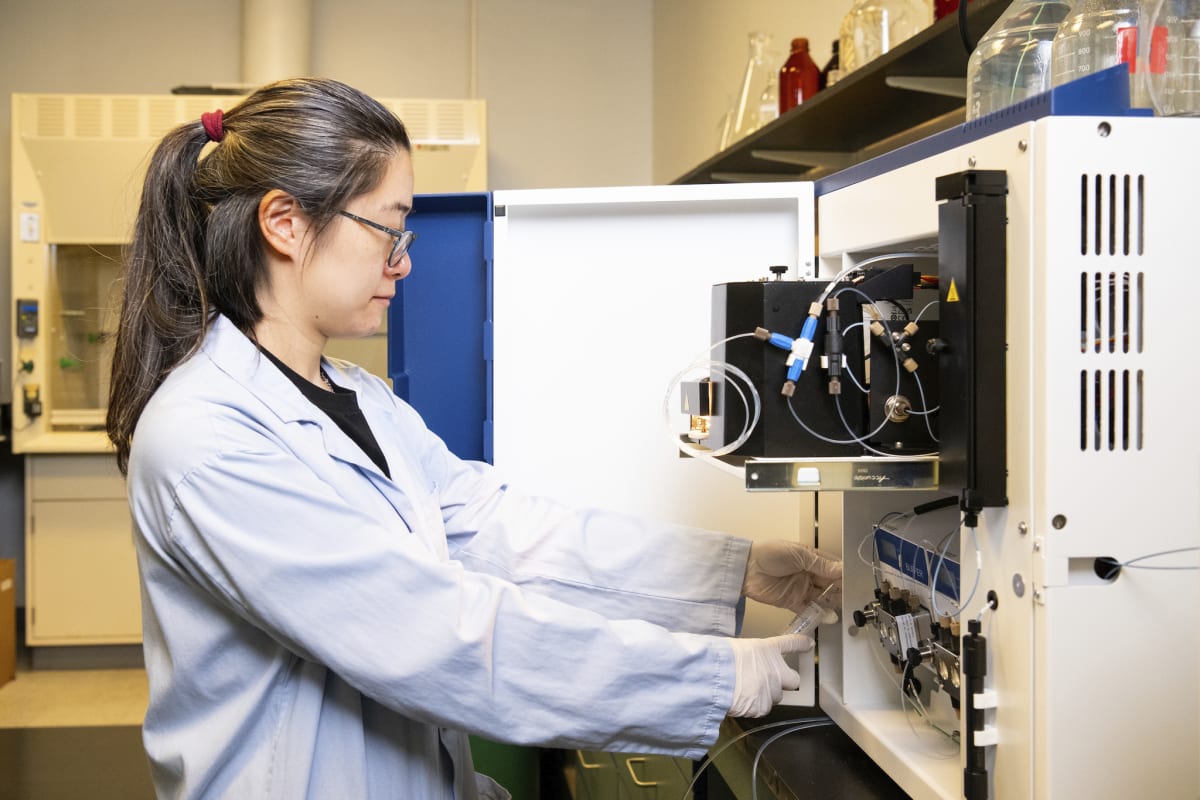
Executive innovation director Matt Faulks explained why traditional materials needed an upgrade. Standard magnesium processing is "pretty dirty," using nasty shielding gases and carbon intensive methods. Lola's solution extracts magnesium from seawater through solar powered electrolysis, dramatically cutting pollution while producing the same lightweight metal vintage race cars need.
The bodywork tells an equally fascinating story. Instead of 1960s fiberglass, Lola developed its own composite system using basalt from volcanic rock on the outside and flax fibers inside, held together with resin made from sugarcane. The natural materials actually outperform original fiberglass in tensile strength and stiffness.
Faulks compared the new panels to an original T70 sitting in Lola's workshop. "Panel gaps and stability of panel and everything is so, so much better," he said. The sustainable materials produce higher quality results than the originals ever did.
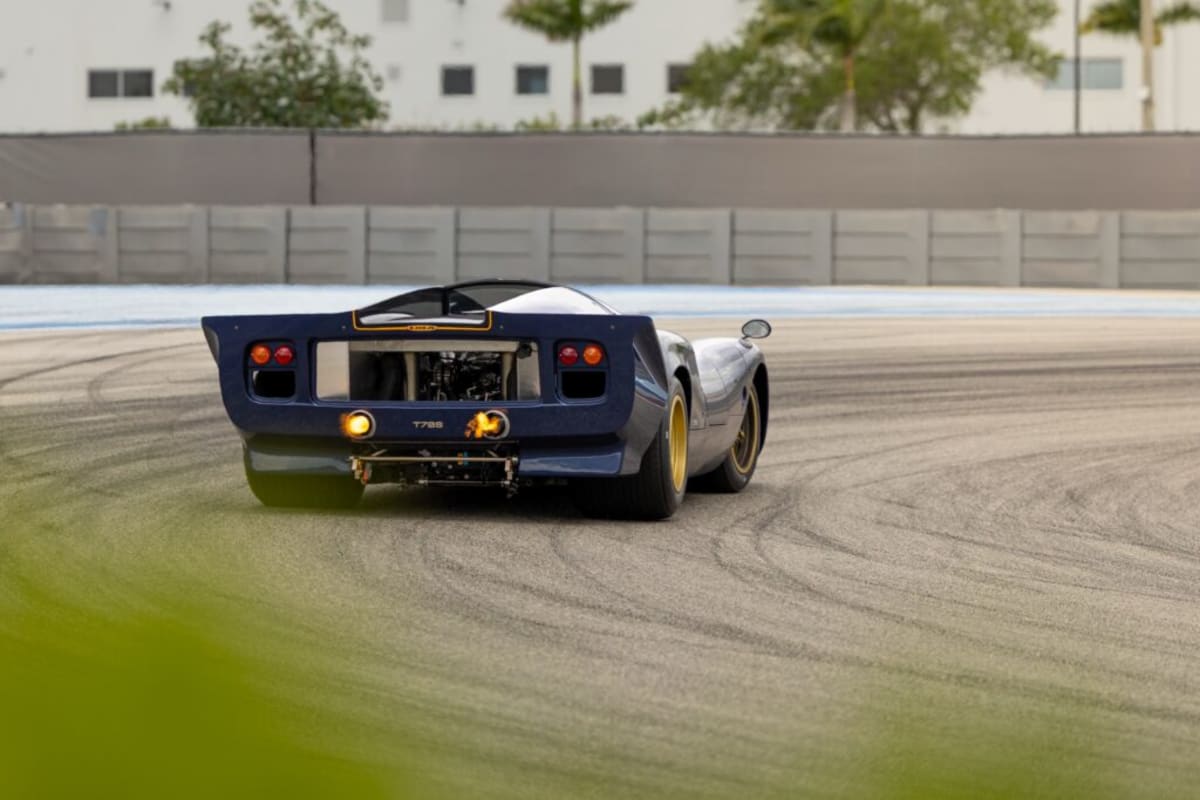
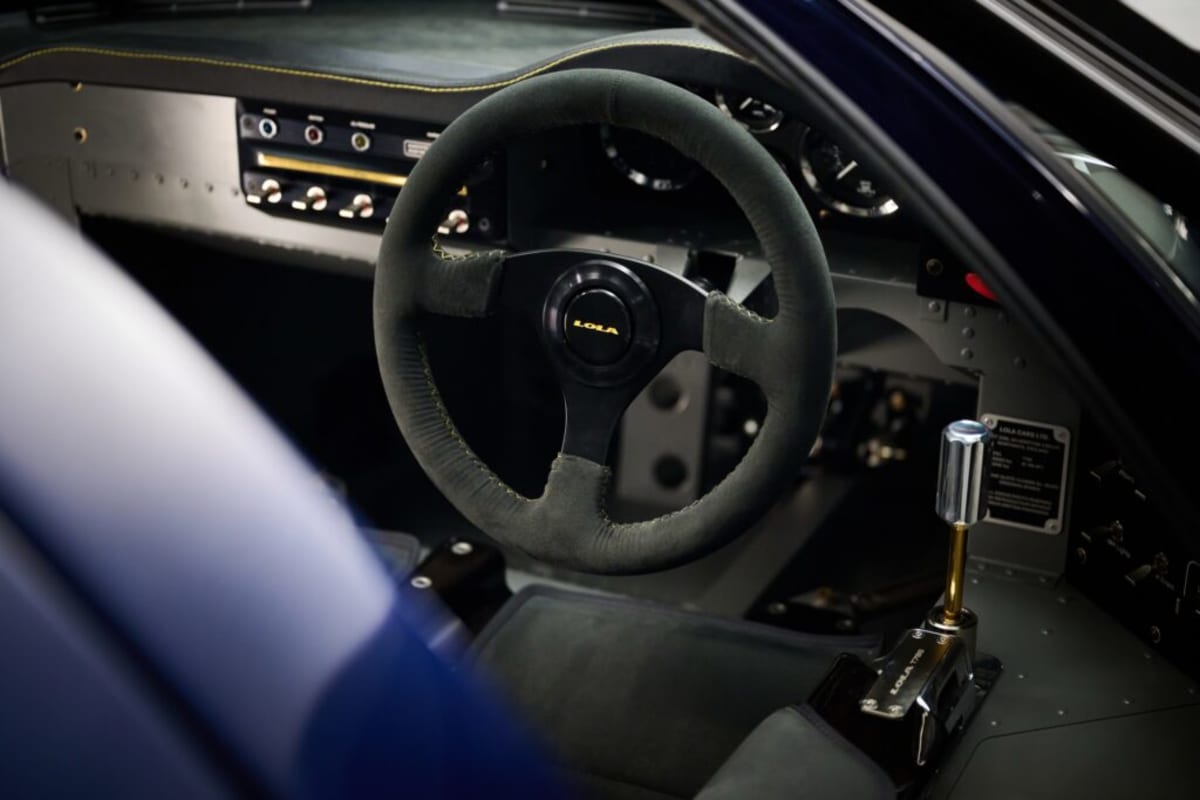
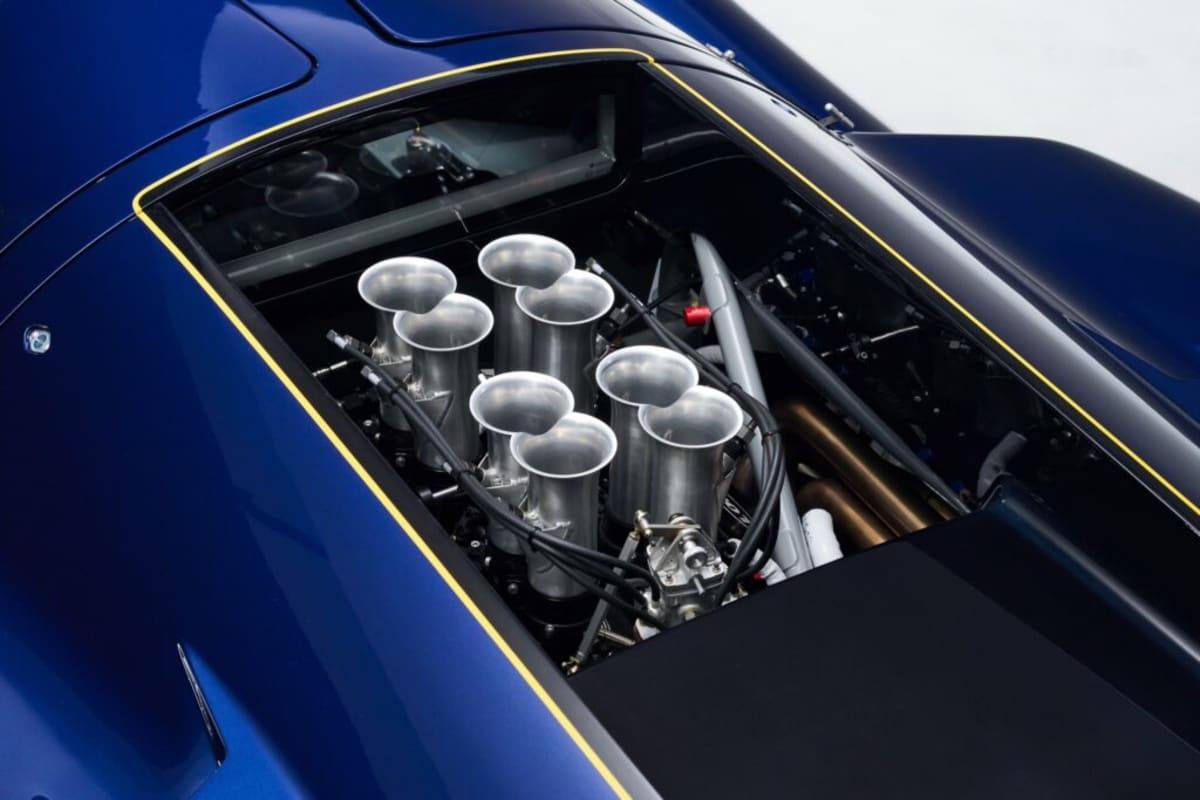
The road going version keeps a modern Chevy 6.2 liter V8 that meets emissions standards while delivering 500 horsepower and old school thrills. Faulks deliberately hid digital technology behind analog displays to preserve the 1960s experience, even as modern engine controls handle emissions compliance behind the scenes.
The Ripple Effect
Lola's experiment matters far beyond wealthy collectors and weekend racers. The company proved that sustainable materials can match or exceed traditional options in demanding applications where failure isn't an option. Racing has always driven innovation that eventually reaches everyday cars, from disc brakes to rearview mirrors.
If volcanic rock and plant fibers can survive the punishment of historic racing, they can certainly handle your morning commute. Other racing teams have dabbled with natural composites, but Lola went further by reimagining the entire materials supply chain, from seawater extraction to sugarcane resin.
The technology isn't just theoretical anymore. Lola is building real cars with these materials right now, putting them through rigorous track testing that would expose any weakness. The lifecycle analysis proving a 54 percent carbon reduction gives other manufacturers a roadmap to follow.
Small volume manufacturers often pioneer technologies that larger companies eventually adopt. Lola's sustainable T70S shows the automotive industry that green materials don't require compromise, just creativity.
A 1960s race car just became a blueprint for the future.
More Images
Based on reporting by Ars Technica
This story was written by BrightWire based on verified news reports.
Spread the positivity!
Share this good news with someone who needs it