Ancient Heat Hacks Keep Millions Cool Without AC
While Europe swelters, countries from Japan to Mexico are staying cool using centuries-old techniques that work better than modern solutions. These simple methods are now inspiring sustainable cooling worldwide.
When temperatures soar across Europe, people reach for air conditioning. But millions of people worldwide have been beating the heat for generations without electricity, using ingenious methods that science now confirms actually work.
In Japan, cooling the body starts with understanding basic physiology. Major blood vessels run close to the skin at the neck, wrists, armpits and groin, making these spots perfect for temperature control.
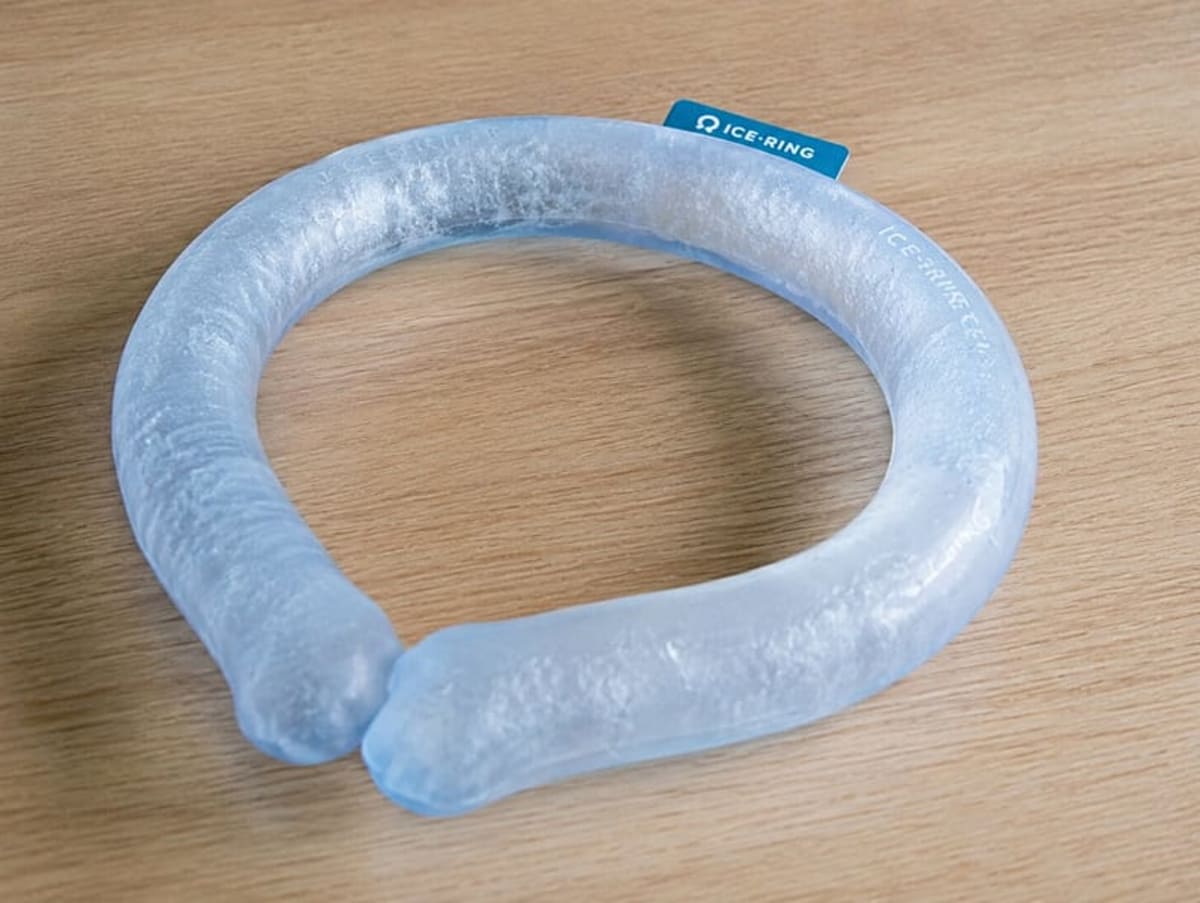
That's why cooling rings worn around the neck have become everyday accessories there. Workers drape color-coordinated damp towels over their shoulders, refreshing them throughout the day as part of their normal summer wardrobe.
Japanese cooling ties contain small cold packs or gel inserts sewn directly into the fabric. Some feature toweling material that absorbs sweat while keeping the neck cool, combining ancient wisdom with modern materials.
Traditional tenugui cloths take the concept further. These thin cotton towels are dampened and tucked discreetly under shirt collars, suits or hats, providing all-day cooling without changing your appearance.
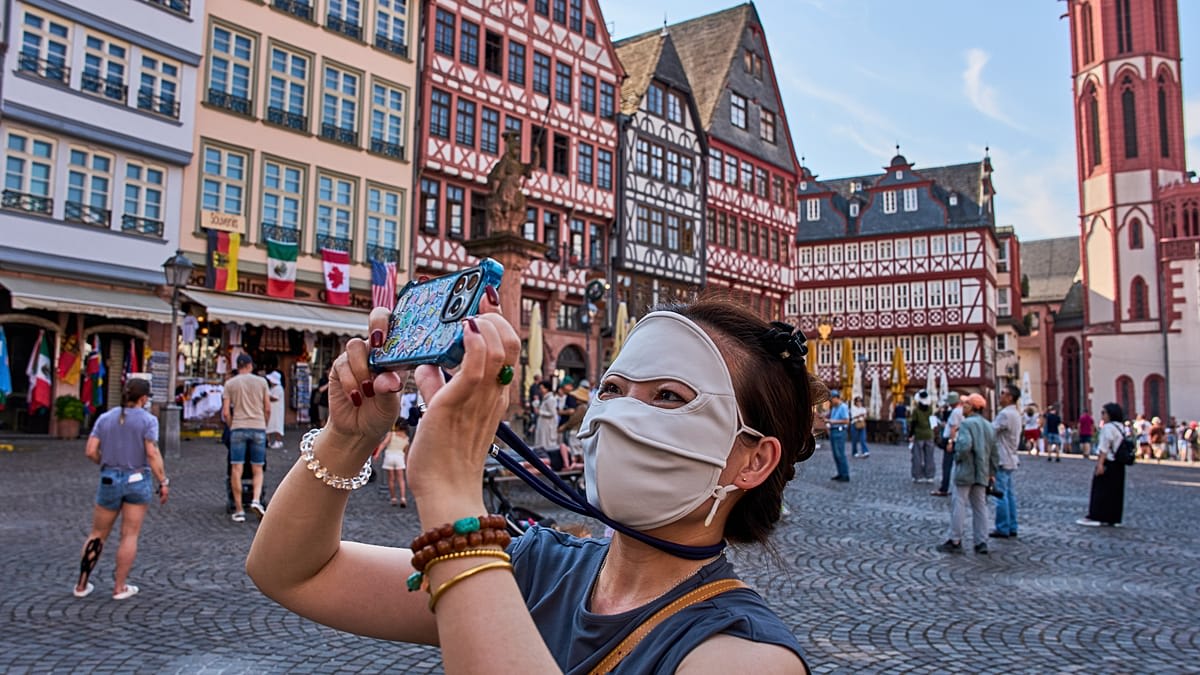
In China's coastal city of Qingdao, swimmers developed the "facekini," an elastic hood protecting skin from intense UV radiation. Today's versions use breathable "ice silk" fabric with UPF 50+ protection, worn daily by people across the country.
Chinese tradition also challenges Western assumptions about beating heat. People there often choose warm drinks over ice water, following traditional medicine principles that cold beverages force the body to work harder regulating temperature.
The Ripple Effect
These methods are inspiring architects and planners worldwide. Traditional Navajo and Pueblo buildings in the American Southwest use clay and stone walls that store heat during the day and release it slowly at night, keeping interiors stable without electricity.
Mexican homes feature thick adobe walls and interior courtyards that create natural "cool islands" through evaporative cooling. Egyptian windcatchers channel outside breezes into homes, while damp cloths in windows cool incoming air.
These techniques work because they harness three simple principles: evaporative cooling through water and air movement, strategic shade and architectural design, and thermal mass from earth or stone. No complex technology required.
As climate change brings more extreme heat, these time-tested solutions offer hope. They prove humans have always been resourceful at adapting to challenging conditions, and that sometimes the oldest answers work best.
More Images



Based on reporting by Euronews
This story was written by BrightWire based on verified news reports.
Spread the positivity!
Share this good news with someone who needs it