Rain Brings Rare Bird Boom to Drought-Hit South Australia
After years of drought, heavy autumn rain has transformed South Australia's Riverland into a bird paradise, with rare species appearing for the first time in years. Birdwatchers are spotting everything from black-eared cuckoos to buff-banded rails as the greening landscape triggers an exceptional breeding season.
The dry scrublands of South Australia's Riverland are erupting with life after heavy autumn rains ended a long drought, bringing rare birds back in numbers that have delighted local birdwatchers.
Renmark received 66 millimeters of rain last weekend, making it the wettest spot in the state. Other Riverland towns got more than 40mm, turning the parched landscape green and bringing relief to farmers preparing to plant seeds.
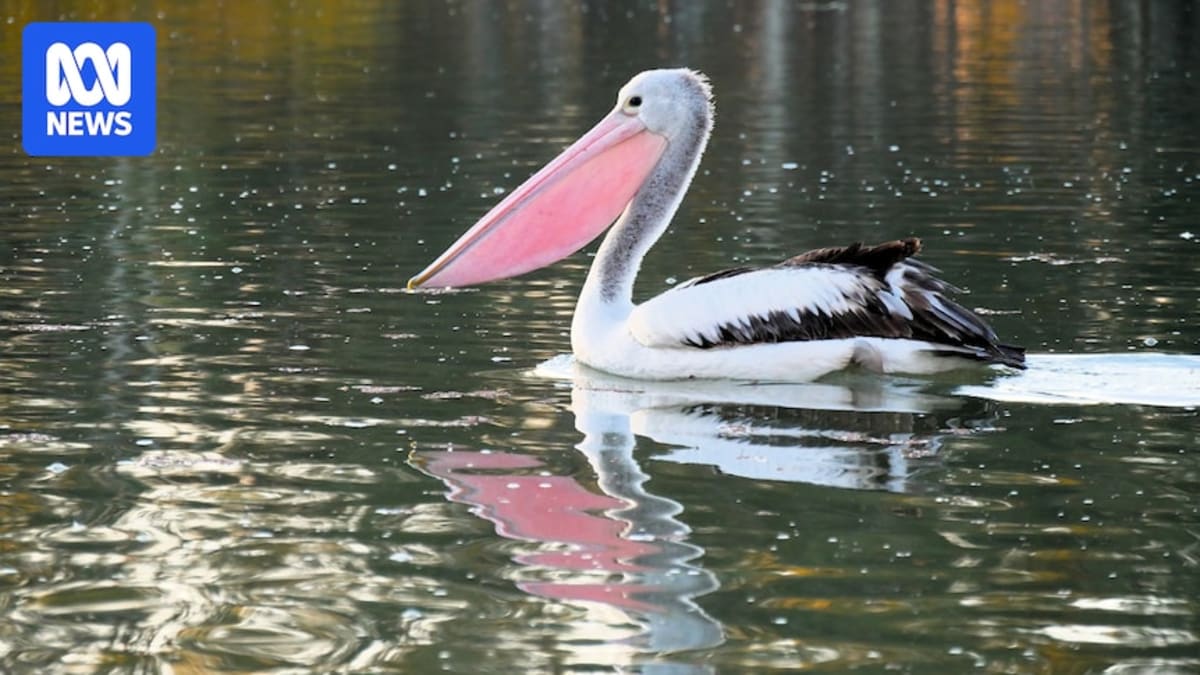
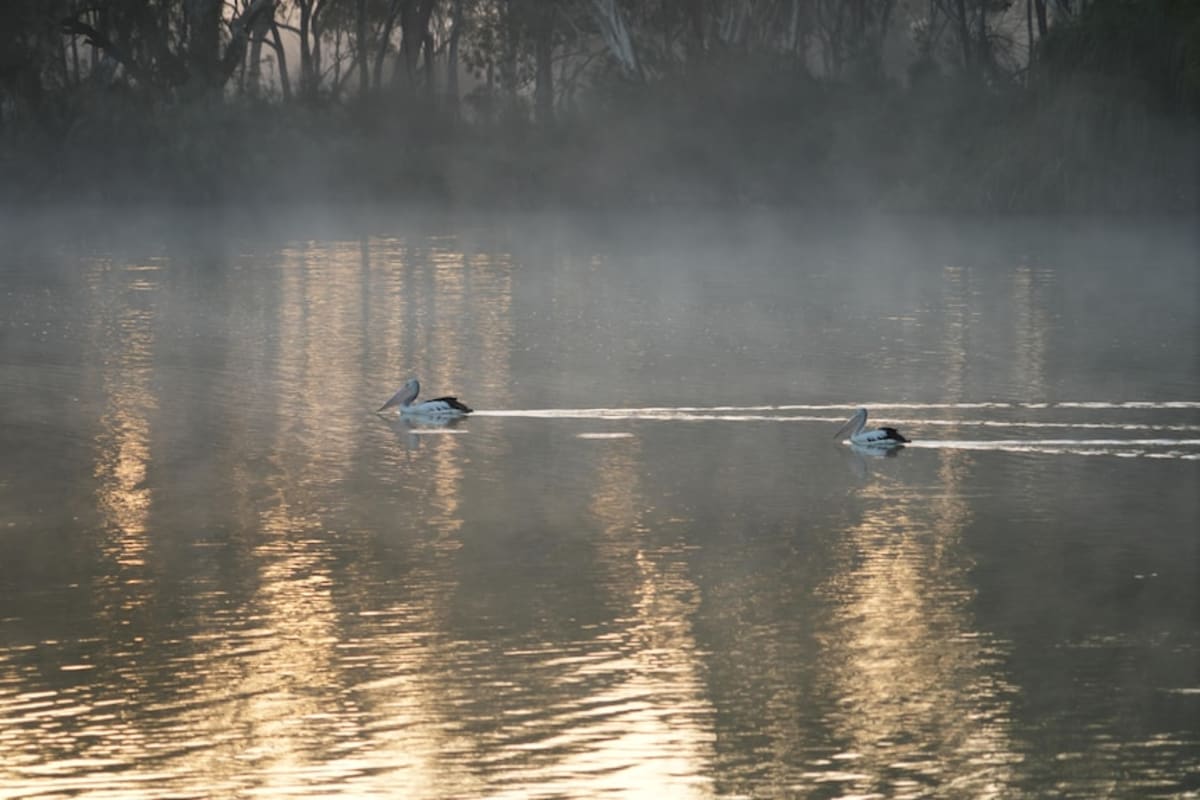
The real surprise came with the birds. Pelicans are swimming down the River Murray, and species rarely seen in the region are appearing across the Mallee.
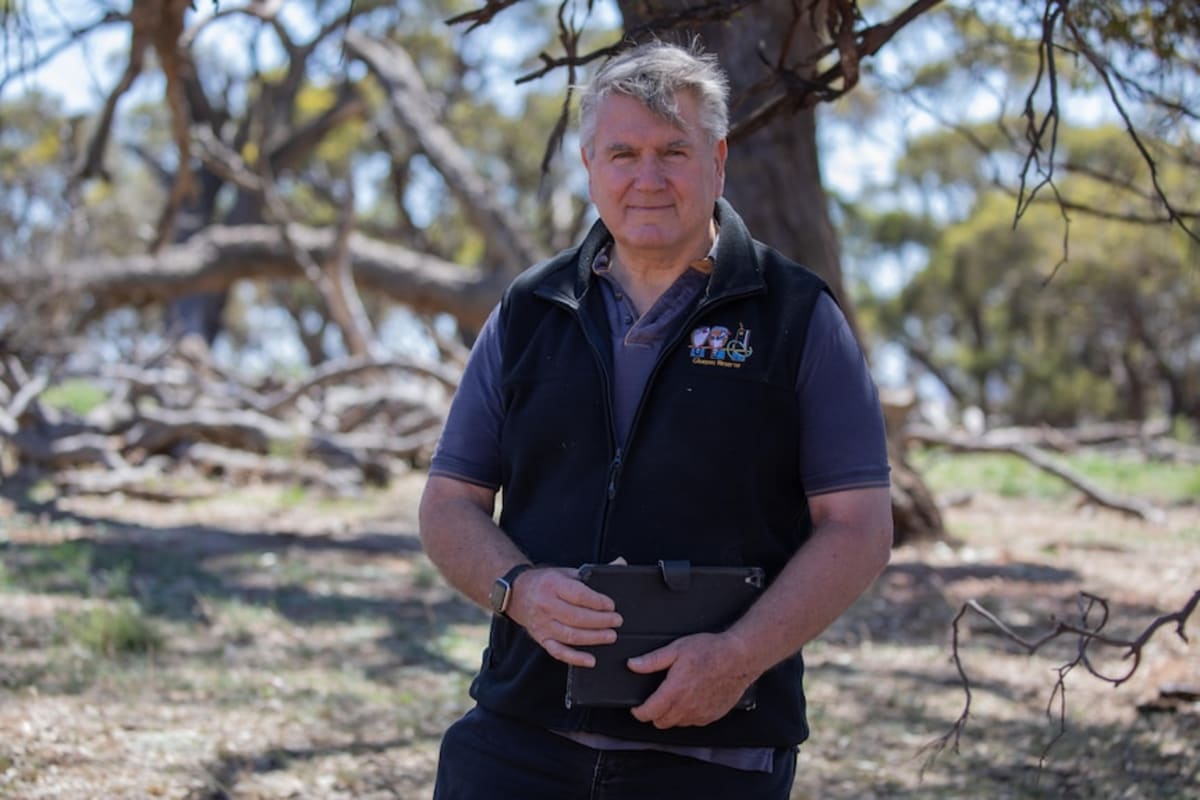
At Gluepot Reserve near Waikerie, bird numbers have exceeded normal levels for this time of year. "The birds are just incredible," said Ian Falkenberg, chairman of the Gluepot Management Committee. "These are the sort of years where you see birds that probably wouldn't normally be seen at Gluepot."
Orange chats, white-fronted chats, pink cockatoos, and high numbers of woodswallows have all appeared as pools of standing water attract waterbirds. Ducks, grebes, and herons are gathering around the temporary wetlands.
Local birdwatcher Teresa ter Bogt has noticed black-faced cuckoo-shrikes and honeyeaters returning as Mallee plants begin flowering. She recently spotted a black-eared cuckoo for the first time in the Mallee north of Renmark.
Even the elusive buff-banded rail, a cryptic bird that hides in reeds, has been seen at environmental watering sites near Bookmark Creek. Weebills, chestnut-rumped thornbills, red-capped robins, and fairy wrens are popping up everywhere.
The Ripple Effect
The rain has unleashed a food explosion that powers the entire ecosystem. "There's so many pent-up areas of seeds and insects that just get going at an incredible rate," said Richard Kingsford, director of the University of New South Wales Centre for Ecosystem Science.
That abundance triggers breeding season across species. Birds build up fat reserves, go through courtship, and nest because there's enough food to feed their chicks. Even predators like kites and owls are breeding, feeding on the surge of small mammals and birds.
Professor Kingsford said these boom periods showcase what makes Australian ecosystems special. When the inland eventually dries out during the forecast El Niño year, many birds will migrate to wetter coastal areas, spreading the benefits across the continent.
Spring could bring even more surprises as the exceptional season continues to unfold across the Riverland.
More Images


Based on reporting by ABC Australia
This story was written by BrightWire based on verified news reports.
Spread the positivity!
Share this good news with someone who needs it
%2Fhttps%3A%2F%2Ftf-cmsv2-smithsonianmag-media.s3.amazonaws.com%2Ffiler_public%2F46%2Ff1%2F46f18bd2-beb5-4922-9fa0-6f5d63e35951%2Fwilliston-lake.jpg)