Rainforests Bounce Back Faster Than Scientists Expected
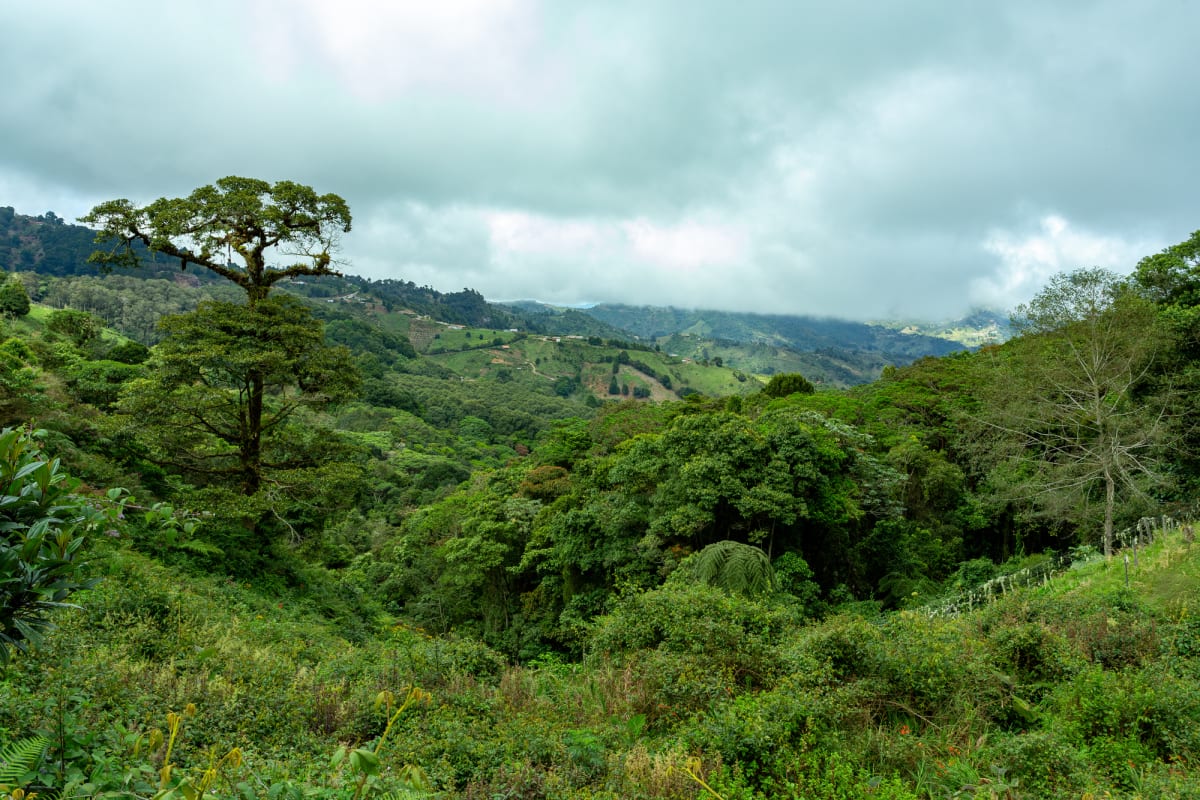
New research shows tropical rainforests recovering from deforestation regain over 90% of their biodiversity in just 30 years. This discovery offers hope that protecting naturally regrowing forests could reverse global biodiversity loss.
Scientists just discovered that tropical rainforests have an incredible superpower: they can heal themselves much faster than anyone thought possible.
A groundbreaking study published in Nature News reveals that rainforests cleared for farmland can recover more than 90% of their original biodiversity within three decades when left to regrow naturally. The research tracked 16 different groups of plants, animals, and microbes across three biological kingdoms in a lowland tropical forest.
The findings challenge the pessimistic view that once rainforests are destroyed, they're gone forever. While old growth forests remain irreplaceable and need protection, the study shows that secondary forests, those regrowing after deforestation, hold enormous conservation potential.
Here's what makes this even more exciting: mobile animals like birds and bats that pollinate flowers and spread seeds bounced back the fastest. These creatures are the forest's best friends, helping trees reproduce and spread throughout the recovering landscape. Their quick return creates a positive cycle that speeds up the entire forest's recovery.
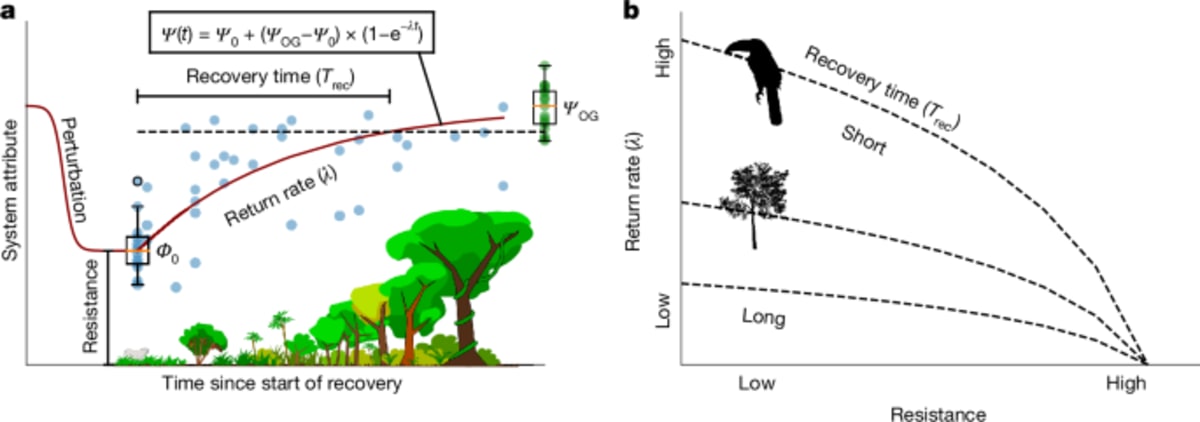
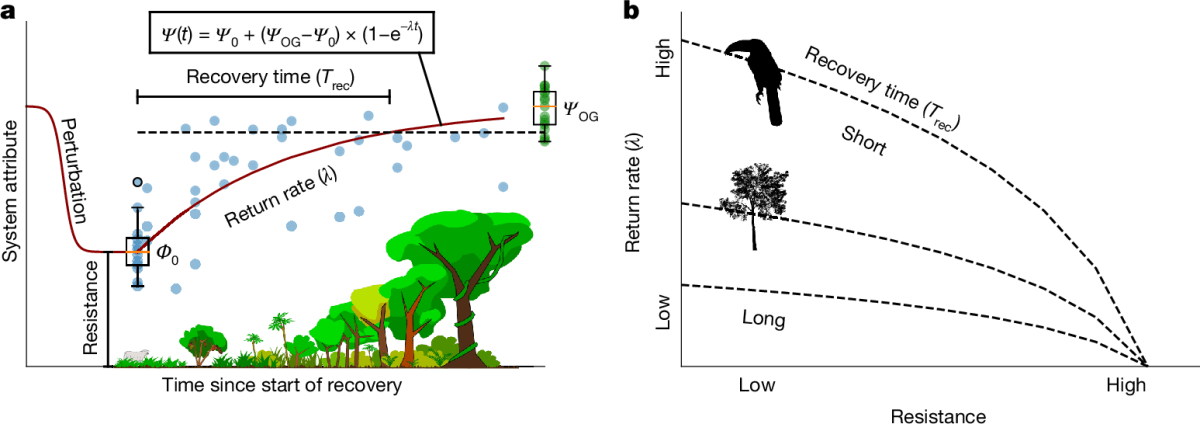
The research found that abundance and diversity reached over 90% of old growth forest levels within 30 years, while species composition achieved about 75% similarity. Full recovery takes several decades longer, but the rapid initial bounce back surprised even the scientists.
This matters because more than half of the world's tropical forests have already been lost or degraded, with 70% now classified as secondary forests. These forests harbor at least 77% of Earth's tree species and 62% of vertebrate species, making them critical for global biodiversity.
The Bright Side
The timing couldn't be better. The United Nations launched the Decade on Ecosystem Restoration specifically to stop biodiversity losses worldwide. This research proves that natural regeneration works as a cost effective restoration tool.
Rather than expensive replanting projects, simply protecting land and letting nature do its thing can bring back complex ecosystems. The study tracked everything from tiny microbes in the soil to large mammals, showing that entire food webs can reassemble themselves when given the chance.
The research also revealed that recovery patterns couldn't be explained by simple rules about an animal's size, diet, or lifestyle. Each species group recovered at its own pace, suggesting that tropical forests are even more resilient and complex than scientists previously understood.
This discovery gives conservationists powerful new ammunition: protecting regrowing forests isn't just about preventing further damage, it's about actively reversing biodiversity loss. Every patch of recovering rainforest represents hope for thousands of species finding their way home.
Nature's comeback story is just getting started, and the forests are writing it themselves.
More Images
Based on reporting by Nature News
This story was written by BrightWire based on verified news reports.
Spread the positivity!
Share this good news with someone who needs it