Rainforest's 'Hooker's Lips' Flower Looks Like Red Lipstick
A rare tropical plant grows bright red structures that look exactly like glossy human lips wearing lipstick. The stunning "Hooker's Lips" flower only displays this remarkable appearance for a few weeks each year in Central American rainforests.
Deep in the rainforests of Costa Rica and Panama, nature pulls off one of its most stunning visual tricks: a plant that looks exactly like someone wearing bright red lipstick.
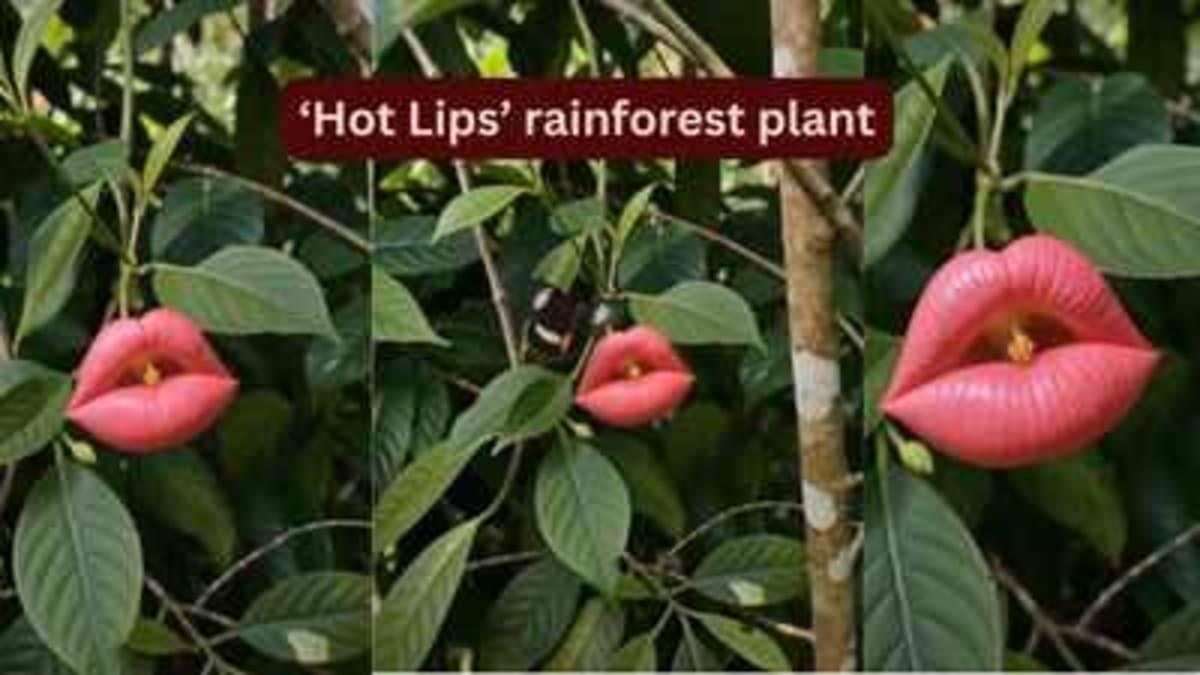
The Hooker's Lips plant, also called Hot Lips, develops vivid crimson structures that look so much like human lips that photos often get mistaken for AI creations. But this eye-catching tropical shrub is completely real.
What looks like glossy red lips are actually bracts, special leaf-like structures designed to grab attention. The plant's scientific name is Palicourea elata, and it grows throughout the humid rainforests of Costa Rica, Panama, Colombia, Ecuador, and southern Mexico.
Here's the clever part: those lipstick-red "lips" aren't the actual flower. They're nature's billboard, attracting hummingbirds and butterflies through the dim forest canopy. When the bracts eventually open, they reveal tiny white or yellow star-shaped flowers hidden inside.
The famous lip stage only lasts a short time, making sightings extra special. The plant typically blooms between December and March, when the red bracts shine their brightest.
Costa Rica has become the best destination for travelers hoping to spot this botanical wonder. Visitors exploring protected rainforests with experienced naturalist guides get the best chance of finding one, though it takes patience and good timing.
The Bright Side
For wildlife photographers and botanists, discovering Hooker's Lips feels similar to spotting a rare jungle animal. The plant has become harder to find due to deforestation, making each encounter more meaningful.
Local communities have traditionally used parts of the plant in folk medicine. Today, its greatest value lies in drawing attention to rainforest conservation. When people learn about flowers this remarkable, they understand why protecting these ecosystems matters.
The brilliant red color works like a neon sign in the shadowy rainforest, guiding pollinators straight to the nectar inside. Evolution turned this plant into a master of visual marketing, and it's been working perfectly for thousands of years.
Nature's creativity continues to surprise us with designs we could never imagine on our own.
More Images



Based on reporting by Times of India - Good News
This story was written by BrightWire based on verified news reports.
Spread the positivity!
Share this good news with someone who needs it