Rajasthan's 400-Year-Old Clay Art Draws Global Artists
In Molela village, artisans transform local clay into stunning terracotta panels that tell stories of gods, folk heroes, and everyday life. Their secret ingredient and ancient technique are captivating artists worldwide.
For centuries, artists in a small Rajasthan village have been sculpting stories into clay panels that collectors across the globe now treasure.
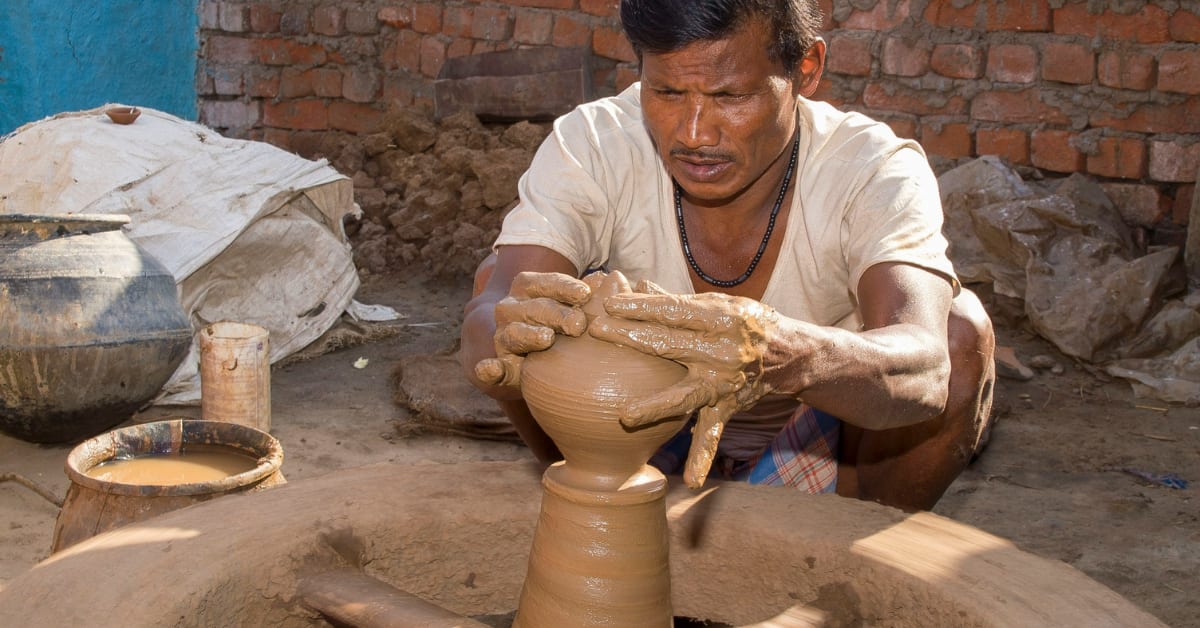
In Molela, nestled along the Banas River, families have passed down a unique terracotta craft through generations. They create intricate plaques called thalas that depict everything from village celebrations to beloved folk heroes, using clay sourced right from their own land.
What makes their work so special? The clay itself holds ancient secrets.
Molela artisans mix local clay with an unexpected ingredient: donkey dung. The organic fibers strengthen the material and prevent cracking, creating a clay that's both flexible enough for intricate details and durable enough to last centuries.
This rare combination gives contemporary artists creative freedom they can't find anywhere else. The clay stays workable during sculpting while holding its shape perfectly through firing, making even the most elaborate designs possible.
Unlike traditional pottery shaped on a wheel, Molela artists build their scenes layer by layer on flat surfaces. They coil and stack pieces of clay to create raised relief images that feel like sculptures telling stories.
Musicians playing drums, wedding processions, farmers at work, and gods and goddesses emerge from these panels in rich texture and depth. Each piece carries cultural memory that dates back hundreds of years, when pastoral communities from Rajasthan, Gujarat, and Madhya Pradesh commissioned plaques to honor their traditions.
The Ripple Effect
Today's international artists and designers are discovering what these communities knew all along. This ancient craft offers a creative language that blends sculpture with storytelling, turning simple clay into detailed visual narratives.
The tradition continues to thrive in Molela, where artisan families still prepare their clay using centuries-old methods and finish pieces with natural mineral colors. Their work connects sustainability, culture, and craftsmanship in ways that feel both timeless and urgently relevant.
For visitors and collectors worldwide, these terracotta panels represent more than beautiful art. They're tangible connections to living heritage, proof that traditional crafts can captivate modern audiences while preserving the stories that communities have treasured for generations.
In Molela, every layer of clay becomes a bridge between past and present, turning local earth into global inspiration.
More Images
.png)
%2Fenglish-betterindia%2Fmedia%2Fmedia_files%2F2026%2F05%2F29%2Fmolela-clay-2026-05-29-15-10-41.png)

Based on reporting by The Better India
This story was written by BrightWire based on verified news reports.
Spread the positivity!
Share this good news with someone who needs it