Ranchers Turn Desert Into Wildlife Oasis With Solar Pumps
Cattle ranchers in Utah and Texas are solving water scarcity by installing solar-powered systems that hydrate livestock and wildlife simultaneously. Their innovative approach is transforming some of America's driest landscapes into thriving ecosystems.
In Utah's high desert, where water sources sit miles apart, cattle rancher Tim Munns found a way to turn scarcity into abundance for everyone who calls the land home.
Munns operates Flying M Ranch in the second-driest state in America, where both cattle and wildlife once traveled miles for a single drink. His solution was elegantly simple: solar-powered pumps now push water uphill through pipes to strategically placed tanks across the landscape.
The system does double duty. Cattle get reliable water access without clustering around fragile streams and ponds, while deer, birds, and other wildlife drink freely even when livestock graze elsewhere.
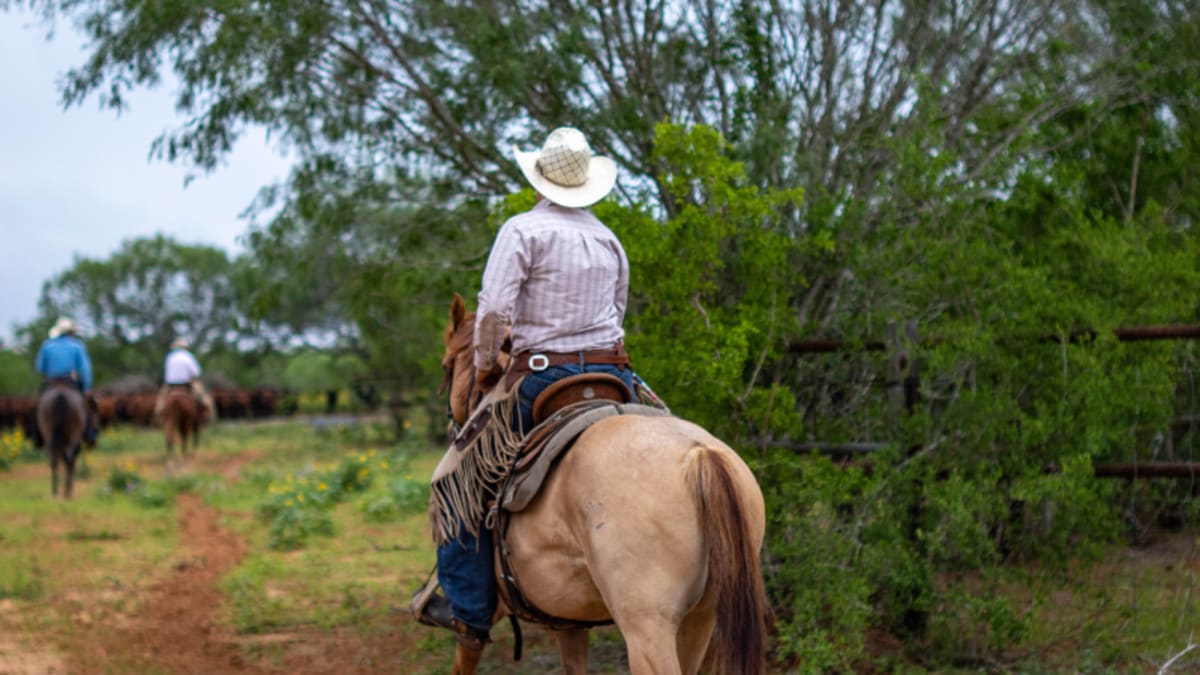
Nearly 2,000 miles south in Texas, Los Hermanos Ranch faced similar challenges during the worst drought in ranch history. James Clement III and Poncho Ortega Jr took over management in 2013 and immediately focused on protecting the two streams running through their property.
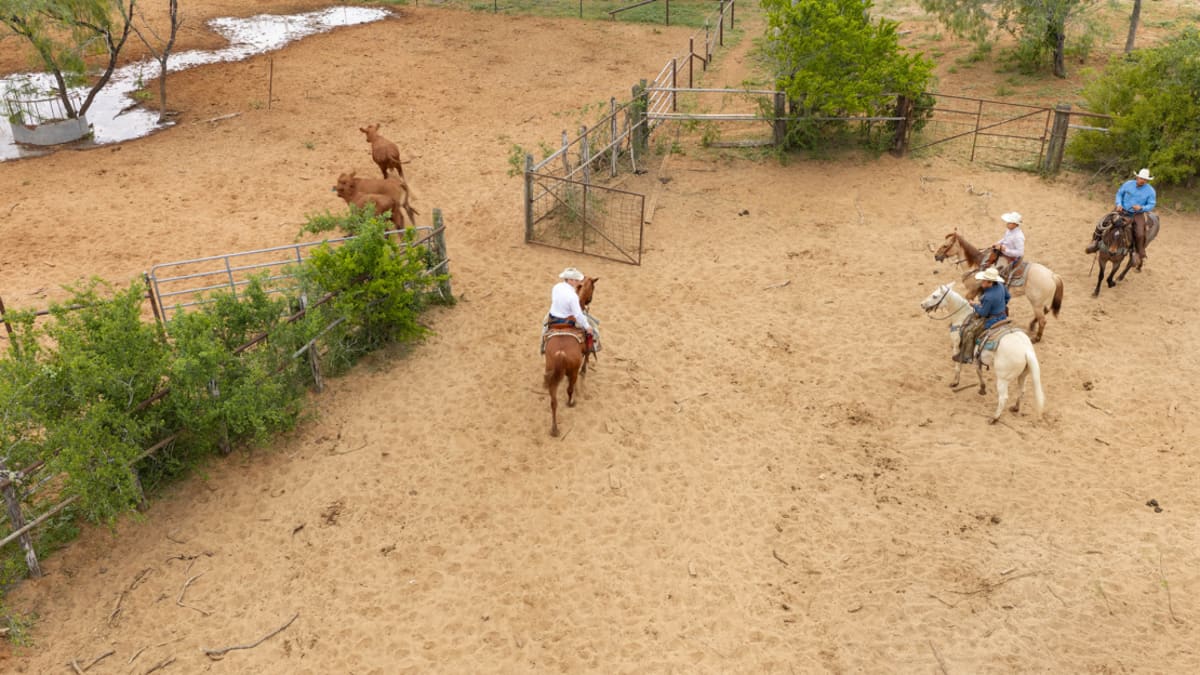
Their strategy centered on rotational grazing, moving cattle between pastures so plants can regenerate. This simple practice allows soil to absorb more moisture and prevents erosion, building resilience against future droughts.
"Pastures are like your lawn," Munns explains. "They need to be taken care of, managed and maintained."
Both ranches earned national sustainability awards for their conservation work. Their efforts matter beyond their own property lines because approximately 29% of U.S. land consists of rangeland too rocky, steep, or dry for crops, yet it provides crucial habitat for birds, pollinators, and migratory species.
The Ripple Effect
The impact extends far beyond water conservation. By distributing water sources across vast landscapes, ranchers create multiple habitat zones where wildlife can thrive alongside cattle. Stream banks remain stable, native plants flourish, and biodiversity increases.
These working lands demonstrate that food production and conservation aren't opposing goals. Cattle transform grass from otherwise unusable land into protein while ranchers actively maintain open space that wildlife depends on.
"We consider ourselves land stewards before we consider ourselves cattlemen," says Ortega Jr. "Our priority is to make sure that our land resources remain productive and sustainable."
For these ranching families, water management represents more than solving today's problems. Every solar pump installed and every pasture rested builds a legacy where cattle operations and thriving ecosystems continue supporting each other for generations to come.
More Images
Based on reporting by Google News - Conservation Success
This story was written by BrightWire based on verified news reports.
Spread the positivity!
Share this good news with someone who needs it