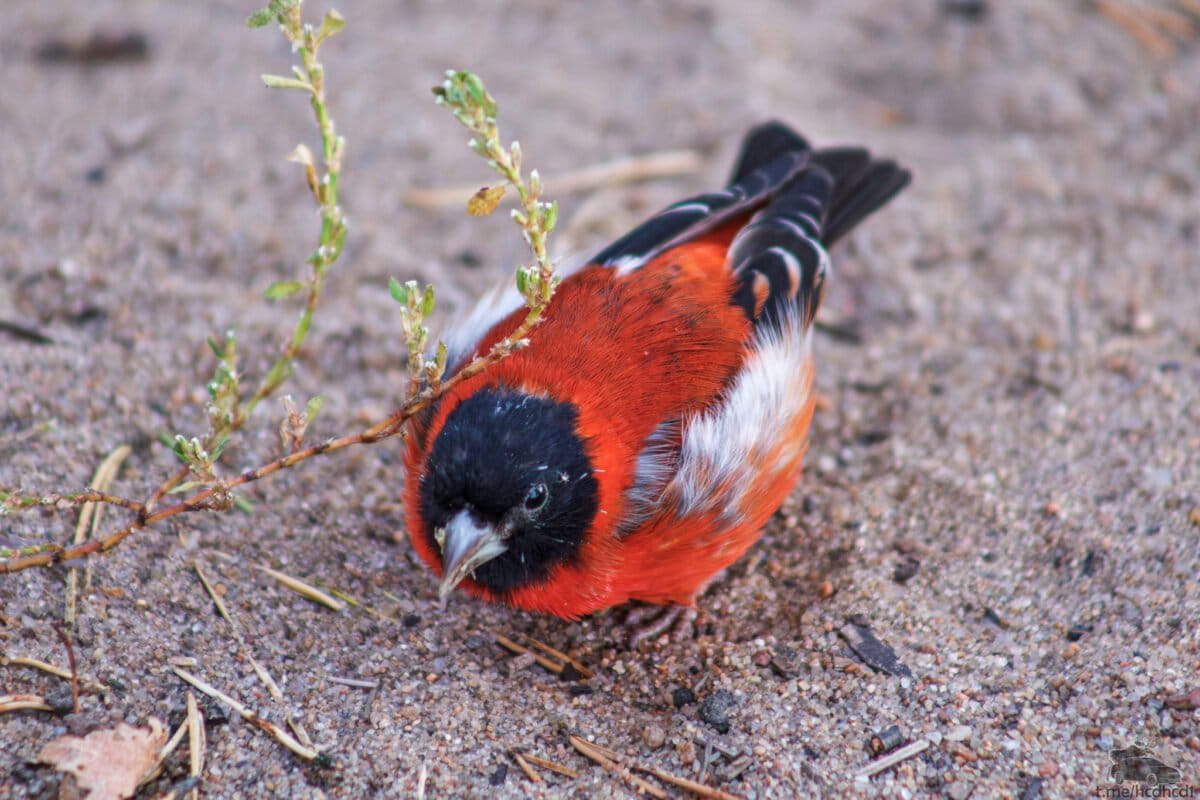
Rare Bird Discovery Sparks Wildlife Movement in 16 Villages
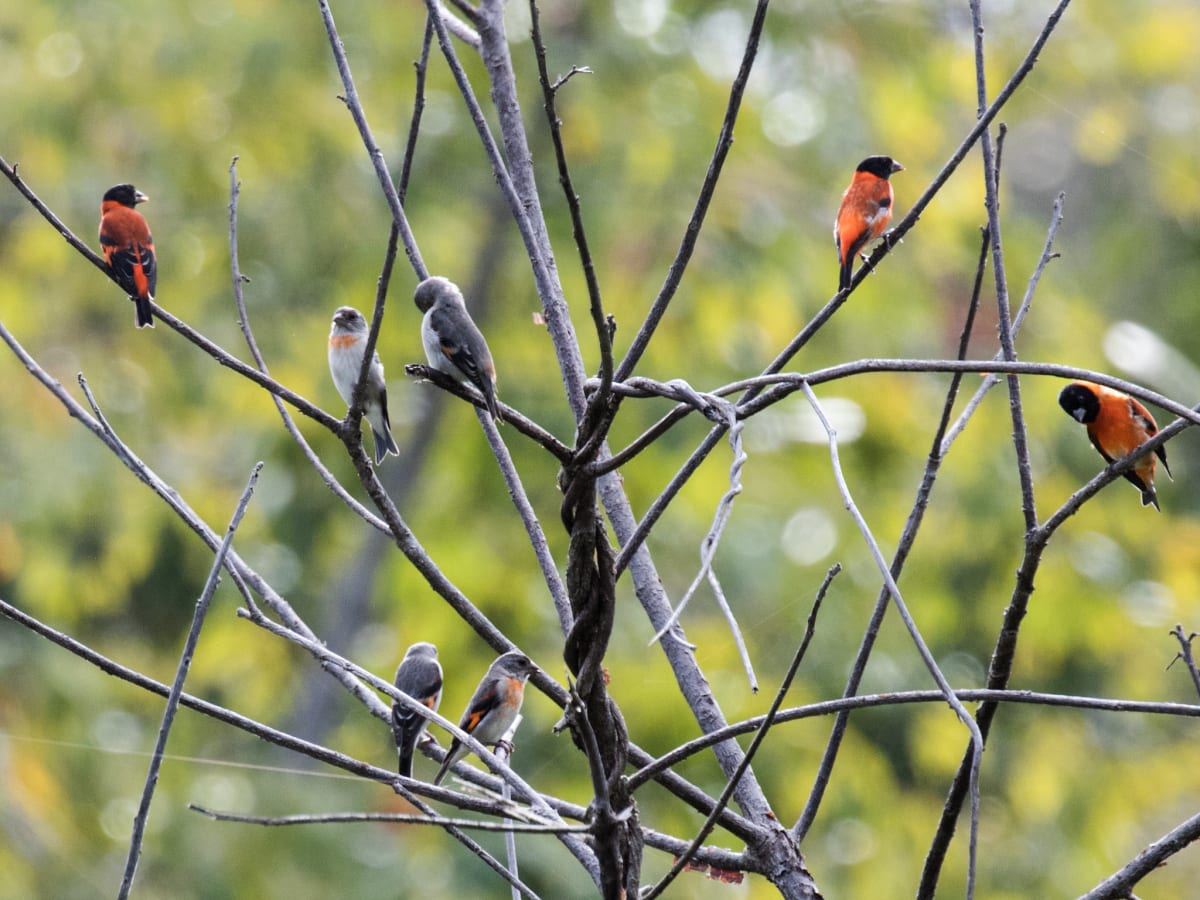
A small endangered finch spotted in Guyana's South Rupununi in 2000 inspired Indigenous communities to create a groundbreaking conservation network. Now 25 years strong, the South Rupununi Conservation Society unites 16 villages to protect wildlife using traditional knowledge and modern science.
When scientists confirmed the first population of endangered red siskins in Guyana in 2000, local Indigenous guides saw something bigger than a rare bird sighting. They saw a chance to protect their changing landscape before it was too late.
The discovery launched the South Rupununi Conservation Society in 2002, bringing together Wapichan, Makushi and Wai Wai communities across a region where flooded savannas connect the Amazon Basin and Guiana Shield. What started as a single bird project has grown into a multi-community conservation movement spanning 16 villages.
The society's approach is simple but powerful. Local villagers, farmers and teachers become the researchers and protectors of their own land. They're not just reporting data to outsiders; they're making decisions about their future.
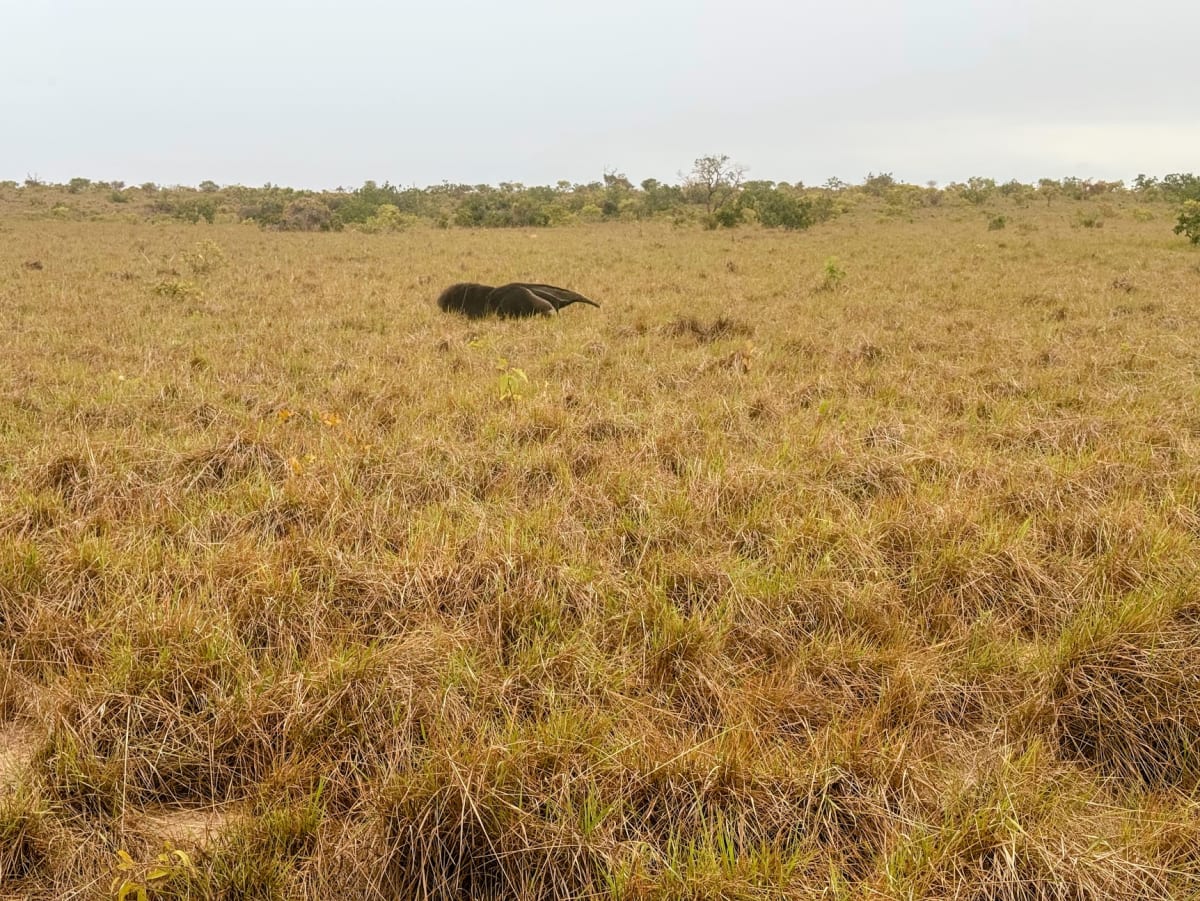
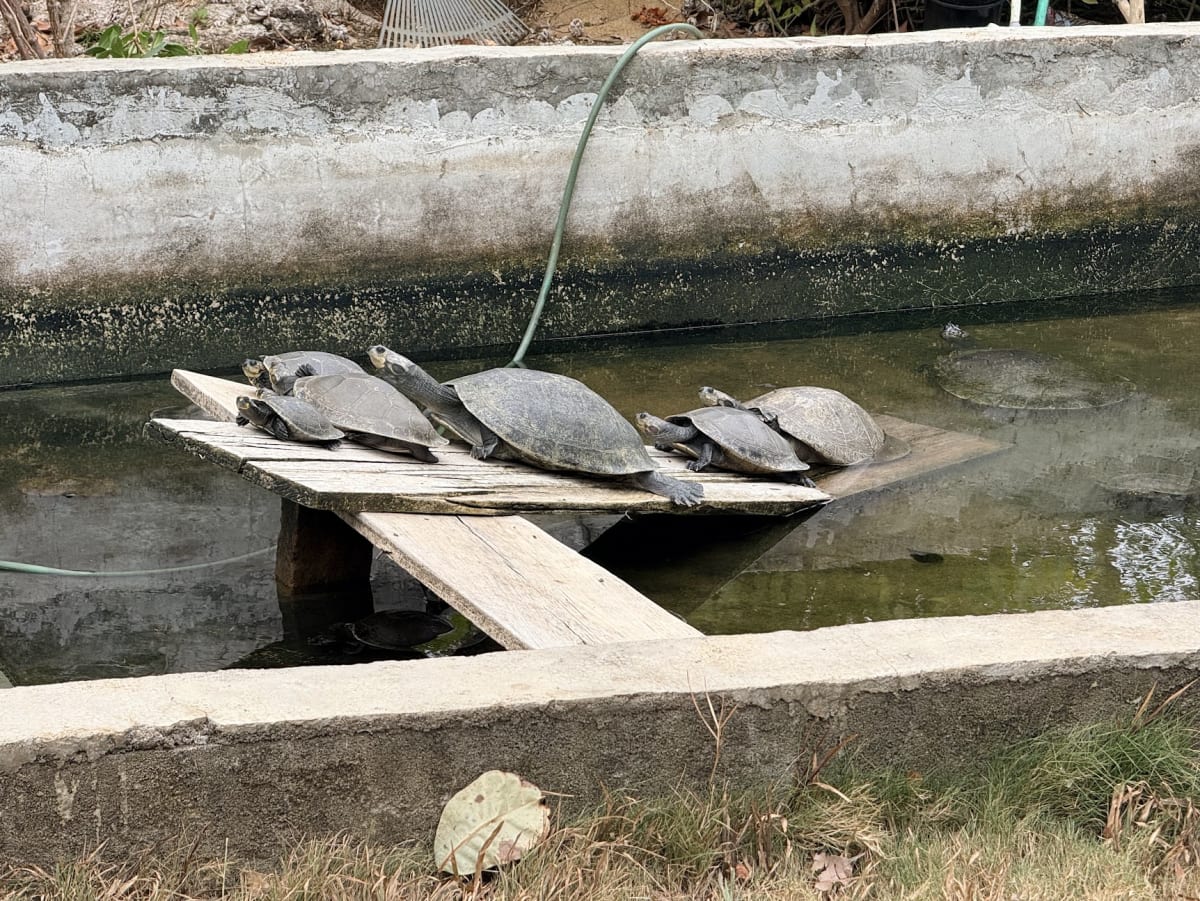
Community rangers monitor giant anteaters, giant armadillos, endangered turtles and rare birds by hiking predetermined routes and recording what they see. When they spot illegal activity, they report it to village leaders. Rangers earn stipends for individual projects, making conservation work accessible to young people, women and livestock owners alike.
The work has revealed stunning discoveries. Indigenous researchers had long observed giant anteaters climbing trees and rubbing their backs on trunks, behavior scientists had rarely documented. Working with four communities, the society placed cameras at trees locals identified and recorded 883 visits, proving these solitary animals use trees to communicate.
Project coordinator Angelbert Johnny translates between English and Wapichan during village meetings, ensuring residents understand "the project belongs to them, not to SRCS." When the community of Maruranau, named after the giant armadillo, wanted to protect their namesake animal, neighboring villages Shea and Awarewaunau joined the effort.
Rangers interviewed residents in their native language, gathering traditional knowledge about animal ranges and behavior. Then they used camera traps and field surveys to document the species. Villagers used those findings to identify zones for farming, sustainable logging, tourism and conservation.
The Ripple Effect
The collaboration is reshaping how communities manage their land together. In October 2025, leaders from three villages signed an intercommunity agreement establishing shared land use and conservation zones, a milestone that shows Indigenous-led conservation can cross traditional boundaries.
The society now coordinates research and protection efforts across all 16 participating communities, with an executive body elected at annual meetings overseeing operations. Different villages participate in different projects based on their interests and local wildlife.
Twenty five years after a small red and black finch brought communities together, their conservation movement proves that the best protectors of the land are often those who've lived on it longest.
More Images
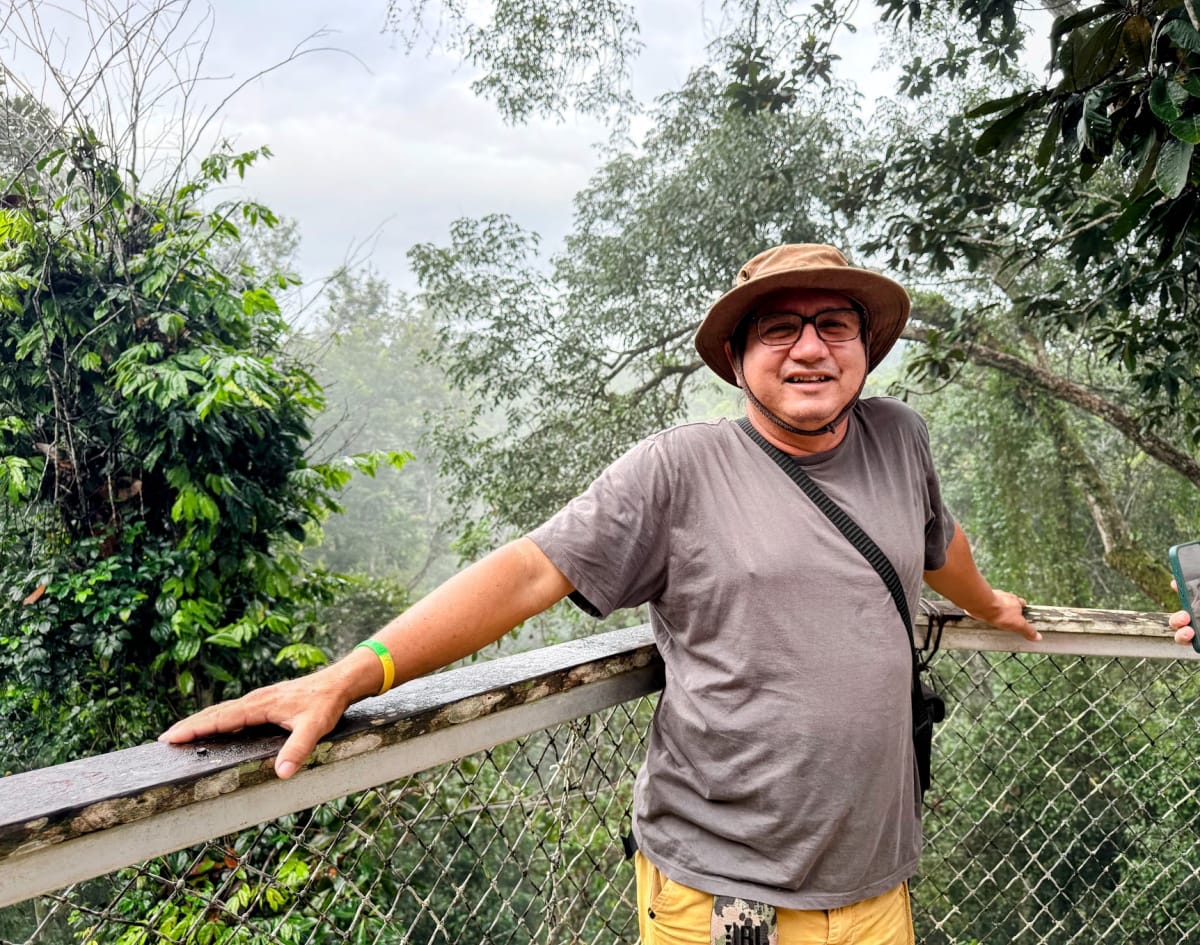
Based on reporting by Mongabay
This story was written by BrightWire based on verified news reports.
Spread the positivity!
Share this good news with someone who needs it
%2Fhttps%3A%2F%2Ftf-cmsv2-smithsonianmag-media.s3.amazonaws.com%2Ffiler_public%2F97%2F5a%2F975a0e7f-5d0c-40ee-8ff1-70083c7e5a50%2F20260722-817a0537-34rp.jpg)
