Rare Gene Variant Cuts Diabetes and Heart Disease Risk 60%
Scientists studying over one million people discovered a rare genetic mutation that slashes the risk of heart disease and diabetes by 60 percent. The discovery could lead to new treatments that protect everyone from deadly metabolic diseases.
Imagine having a built-in shield against heart disease and diabetes that works better than any diet or exercise plan. Scientists just found exactly that hiding in the genes of one in every 7,000 people.
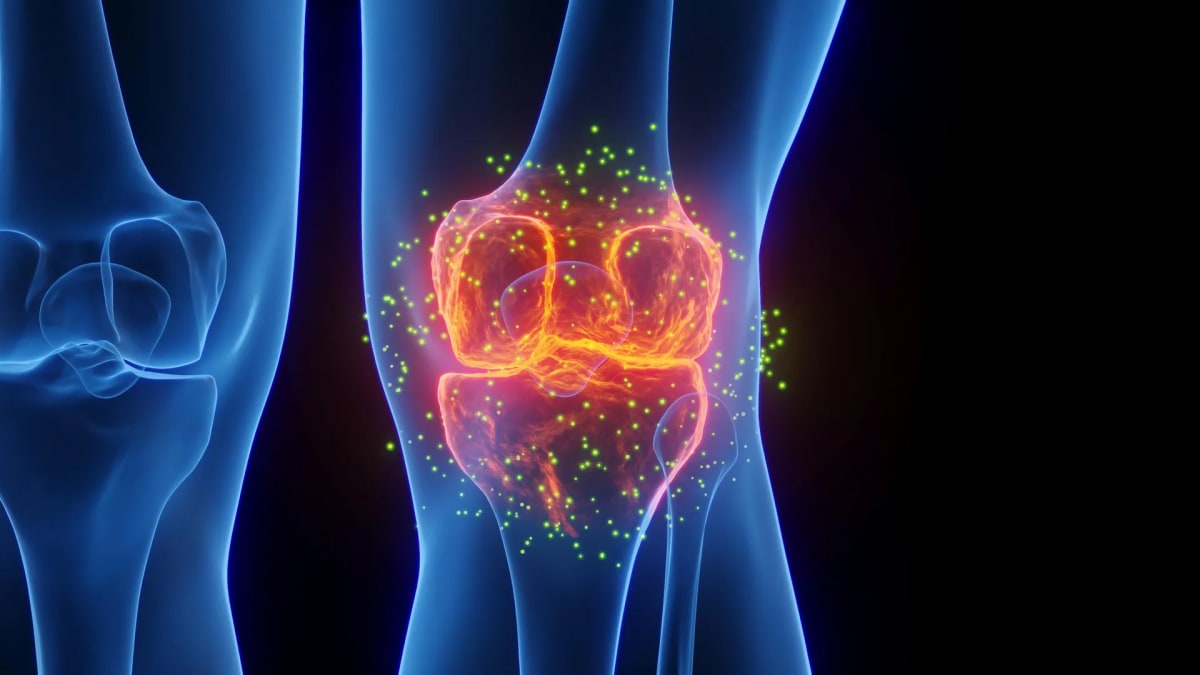
Researchers at Regeneron Pharmaceuticals studied the genomes of over one million people across three continents and discovered something remarkable. A rare mutation in a gene called FNIP1 gives people a 60 percent lower risk of heart disease and metabolic disorders.
The gene helps our cells sense nutrients and generate energy. Everyone has FNIP1, but some people inherit a protective version that basically tells their bodies to burn fat more efficiently. These lucky few naturally have less belly fat, more muscle, and healthier blood sugar levels.
The team didn't stop at finding the mutation. They tested it in the lab by silencing FNIP1 in human liver cells, which immediately switched on fat-burning genetic programs. When they disabled the gene in mice eating a high-fat diet, the results were even more impressive.
The mice gained less weight, avoided fatty liver disease, improved their insulin sensitivity, and kept their blood sugar stable. All this happened despite continuing to eat an unhealthy diet.
Here's where it gets really exciting. Unlike previous genetic discoveries that only helped specific populations, this mutation appeared across diverse groups spanning the Americas, Europe, and Asia. That means treatments based on this discovery could potentially help people worldwide.
The Ripple Effect
The research team found 60 genes linked to metabolic health, but FNIP1 stood out as the most promising target. The discovery joins a growing list of protective genetic mutations that are transforming medicine.
Scientists previously discovered that rare variants in the CCR5 gene make people naturally resistant to HIV. That finding led to successful bone marrow transplants that cured HIV patients without lifelong antiviral drugs. Similarly, mutations in the PCSK9 gene protect against dangerously high cholesterol and have already spawned several effective treatments.
The beauty of finding these natural protections is that scientists can potentially recreate them for everyone. Future gene therapies could mimic the protective effects of the FNIP1 mutation, offering a shield against cardiometabolic diseases that kill millions worldwide each year.
The study required sequencing over one million genomes because protective mutations are extremely rare. But the payoff could be enormous. The researchers linked genetic data with health records to track not just cholesterol levels, but real-world outcomes like diabetes risk, heart problems, and liver scarring.
What makes this discovery particularly hopeful is the timing. Gene editing technologies like CRISPR have matured rapidly in recent years, making treatments that seemed like science fiction increasingly realistic. The research shows exactly which biological pathways to target and proves the approach works in human cells and living animals.
The next steps involve developing safe therapies that can disable or modify FNIP1 in people who didn't win the genetic lottery. If successful, treatments could help millions avoid heart attacks, strokes, and diabetes, transforming one of humanity's biggest health challenges into a manageable condition.
More Images

Based on reporting by Singularity Hub
This story was written by BrightWire based on verified news reports.
Spread the positivity!
Share this good news with someone who needs it