Rare Night Parrot Found in New Queensland Location
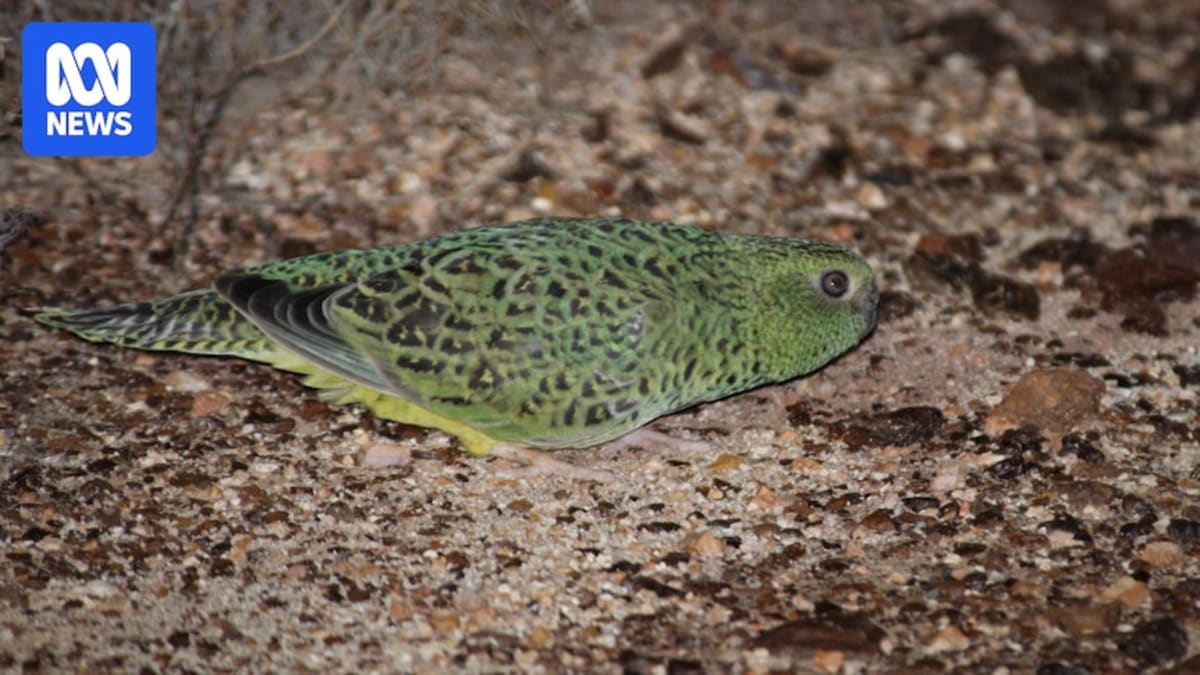
One of the world's most elusive birds, thought extinct for decades, has been detected in a second Queensland location over 150 kilometers from the only known population. The discovery means conservationists may not need to relocate birds to create backup populations.
A bird so rare that fewer than 20 people have ever seen one just revealed a secret: there are more of them out there than scientists hoped.
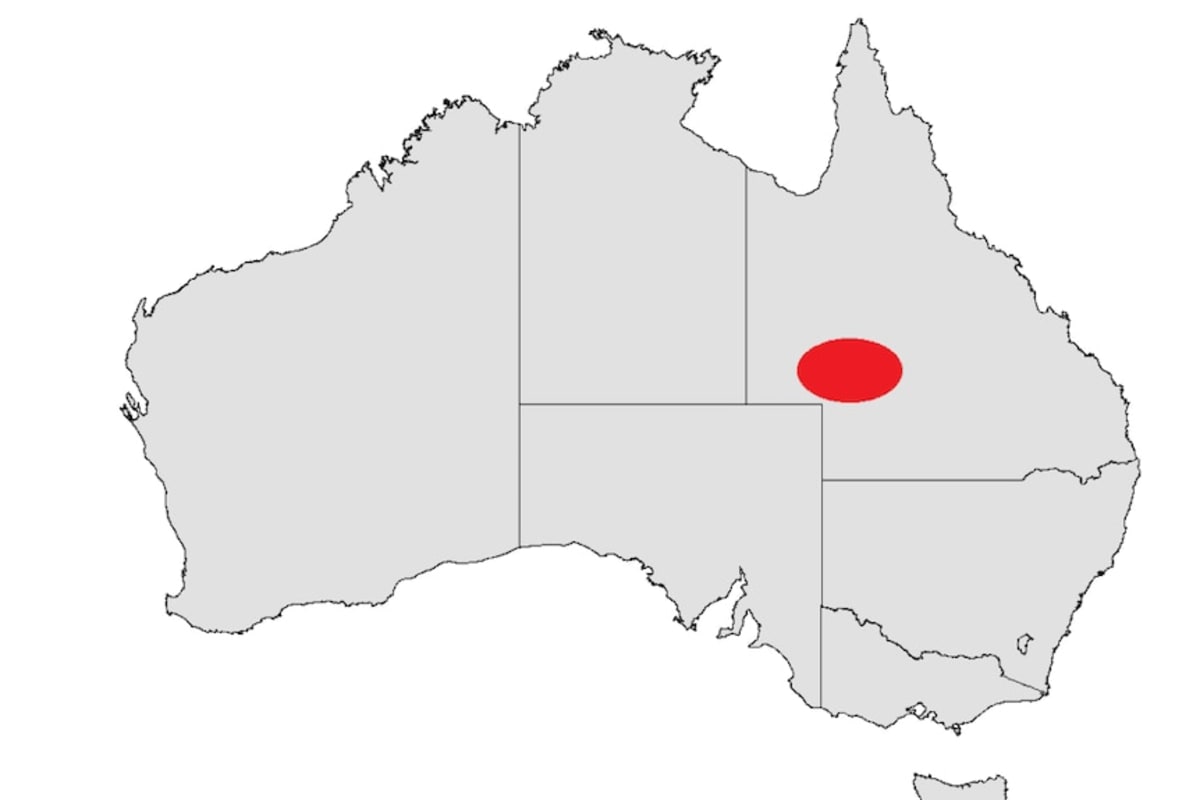
Ecologist Steve Murphy captured dozens of audio recordings confirming critically endangered night parrots living in southwest Queensland, more than 150 kilometers from the only other known population in the state. With only a few hundred birds believed to exist across about two dozen inland colonies, every new discovery matters.
The night parrot disappeared for almost 70 years before being rediscovered in 1979. It's the only nocturnal parrot species, making it incredibly difficult to spot in Australia's vast arid outback.
Murphy analyzed recordings from 120 automated acoustic recorders placed across cattle stations between Winton and Boulia. When he struck gold in early 2026 while reviewing September 2025 recordings, he listened to the calls over and over to be sure.
"It was equal parts luck and equal parts detective work," Murphy said. "There is a lot of country out there."
University of Queensland scientist Nick Leseberg independently confirmed the calls. The exact location remains secret to protect the birds and respect the landholder's wishes.
The Ripple Effect
This discovery changes the conservation picture significantly. Scientists had been considering moving night parrots to other habitats to establish insurance populations, but this natural second colony suggests the species may be more resilient than feared.
Heavy rain that swept through southwest Queensland earlier this year will likely trigger grass seeding and breeding activity. When night parrots breed, they call more frequently, making them easier to detect and study.
The finding also represents a rare conservation success story that brings together Indigenous science, Western research, and cooperation from farmers and other landholders. James Watson, who captured the first photograph of a breeding night parrot in 2016, says this collaboration offers hope for saving the species.
Feral cats and changing fire conditions from agriculture and climate change remain the biggest threats to the parrots' spinifex grass habitats. Murphy's next step is working with the landholder to pinpoint exact roosting and feeding locations, then implement serious feral cat control measures.
For the birding community, the night parrot represents the holy grail. Birdlife Australia's Sean Dooley, who has searched unsuccessfully for the bird, says every birdwatcher feels "a little hint of jealousy" at this discovery.
One day, tourists and birdwatchers may visit a night parrot site, but Murphy says that time hasn't arrived yet.
More Images



Based on reporting by ABC Australia
This story was written by BrightWire based on verified news reports.
Spread the positivity!
Share this good news with someone who needs it