Rare Numbat Removed From Endangered Species List
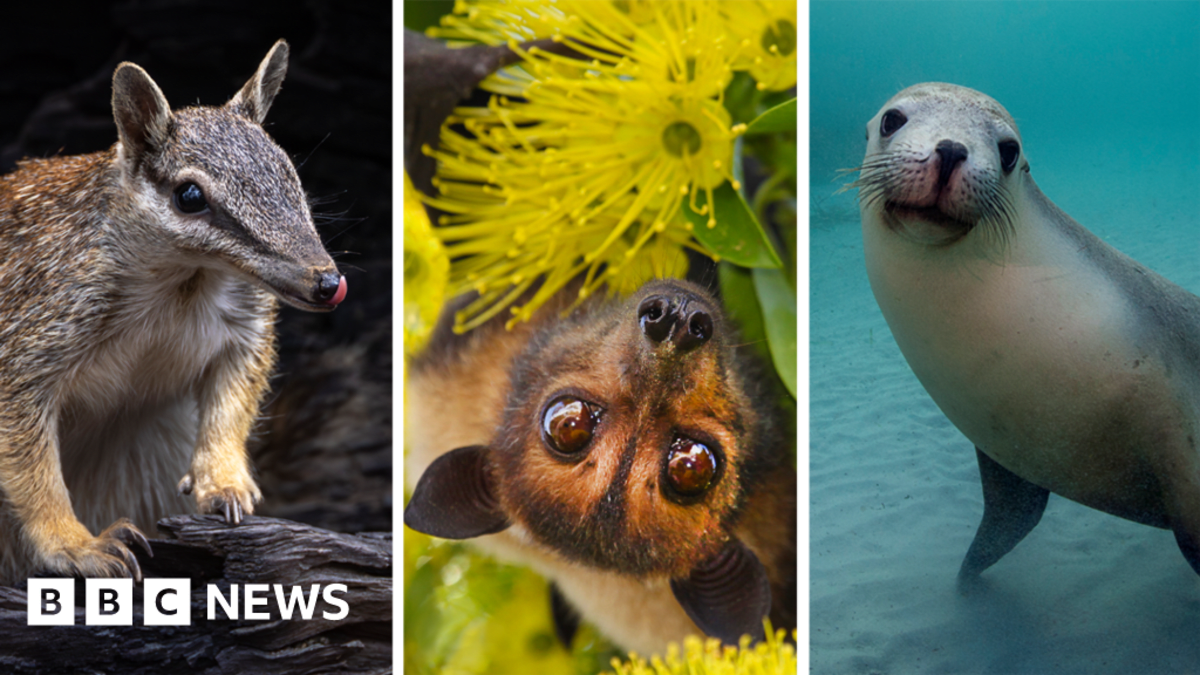
After decades of conservation work in Western Australia, the numbat has been removed from the international threatened species list. It's a rare bright spot in a country struggling with wildlife extinction.
A small striped marsupial that looks like a cross between a chipmunk and an anteater is staging an extraordinary comeback in Australia's Dryandra Woodland.
The numbat, once found across the bottom half of Australia, had dwindled to fewer than 50 animals in the 1980s at Dryandra. Today, thanks to dedicated volunteers and conservationists, the species has recovered enough to be removed from the international red list of threatened species.
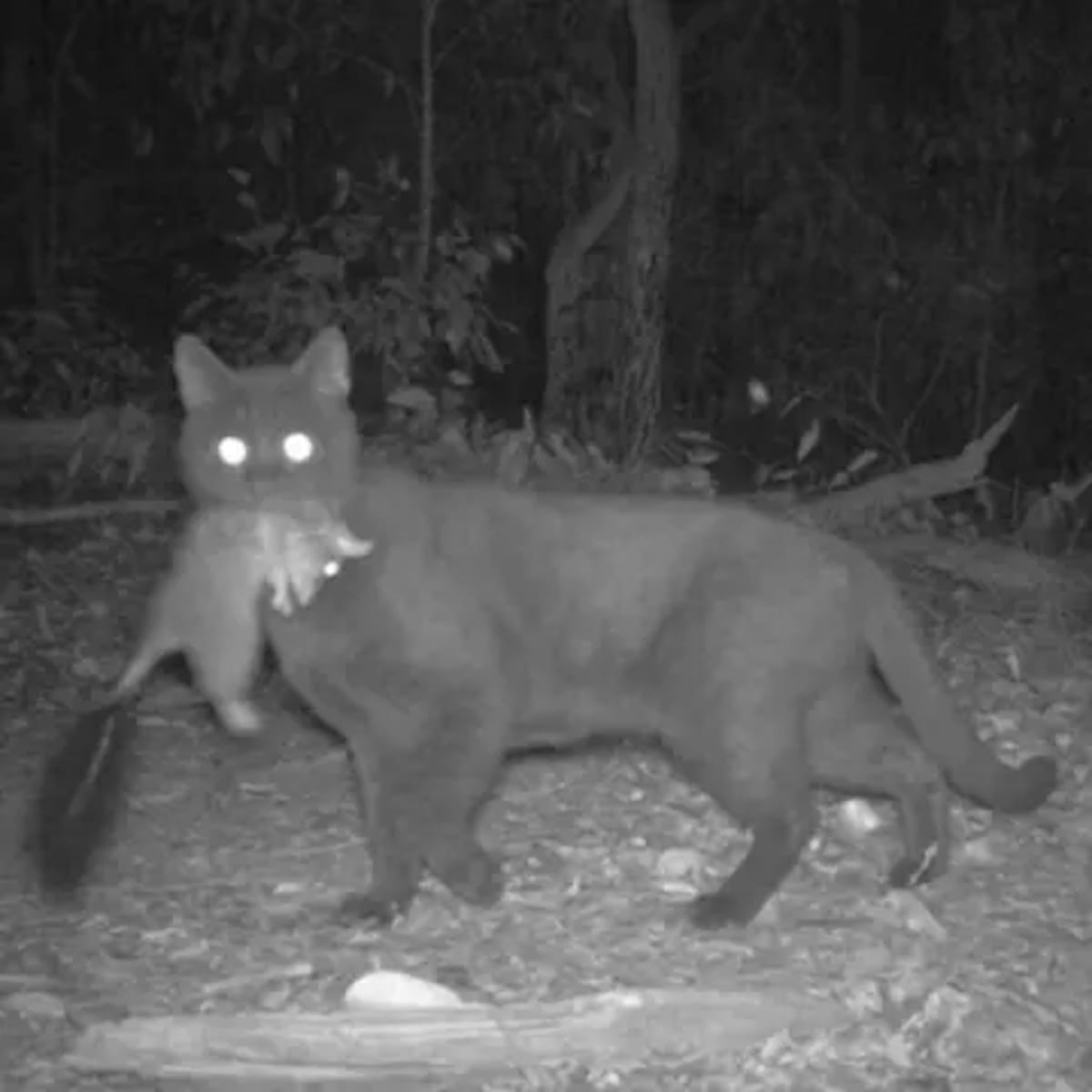
Dr. Tony Friend first arrived at Dryandra in the 80s to find a population on the brink of collapse. Feral cats, foxes, and habitat destruction had pushed the squirrel-sized marsupial to near extinction.
Now, each spring, the Numbat Taskforce drives daily circuits through the woodland, counting every numbat they spot. They log GPS coordinates and use complex equations to track population health, turning their observations into actionable conservation data.
The recovery didn't happen by accident. Perth Zoo runs a breeding program where numbats eat custard with "termite sprinkles" before being released back into the wild to boost genetic diversity. "When you get that feedback: your babies have got babies, it's very satisfying," says keeper Vicki Power.
On the ground, machines detect and eliminate feral cats and foxes, two of the numbat's biggest predators. Volunteers like Rob McLean, president of the Numbat Taskforce, make the thinly-resourced conservation work possible.
Why This Inspires
In a country that loses roughly four species every decade, the numbat's recovery proves that extinction isn't inevitable. The same combination of dedicated volunteers, smart breeding programs, and predator control that saved the numbat could work for other species teetering on the edge.
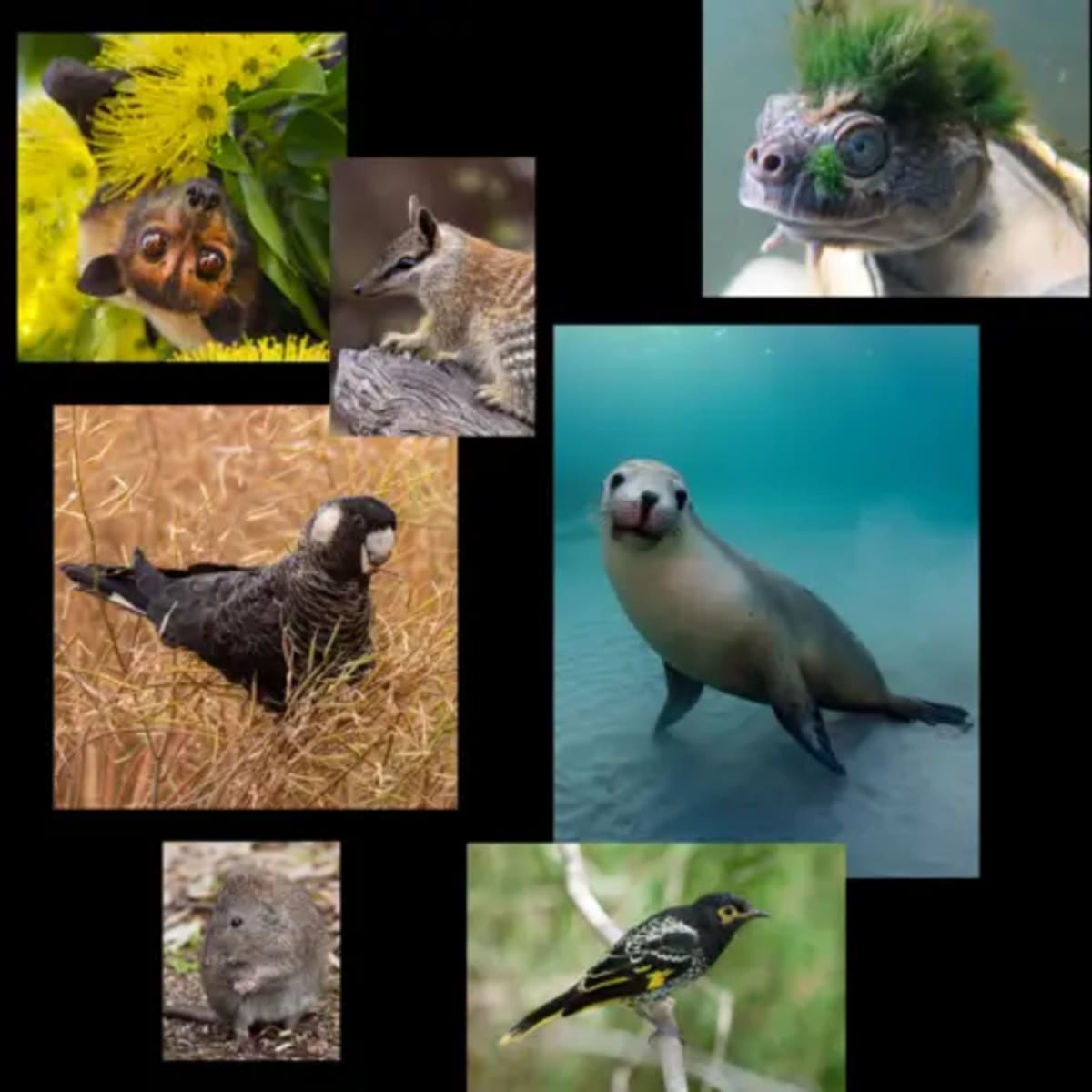
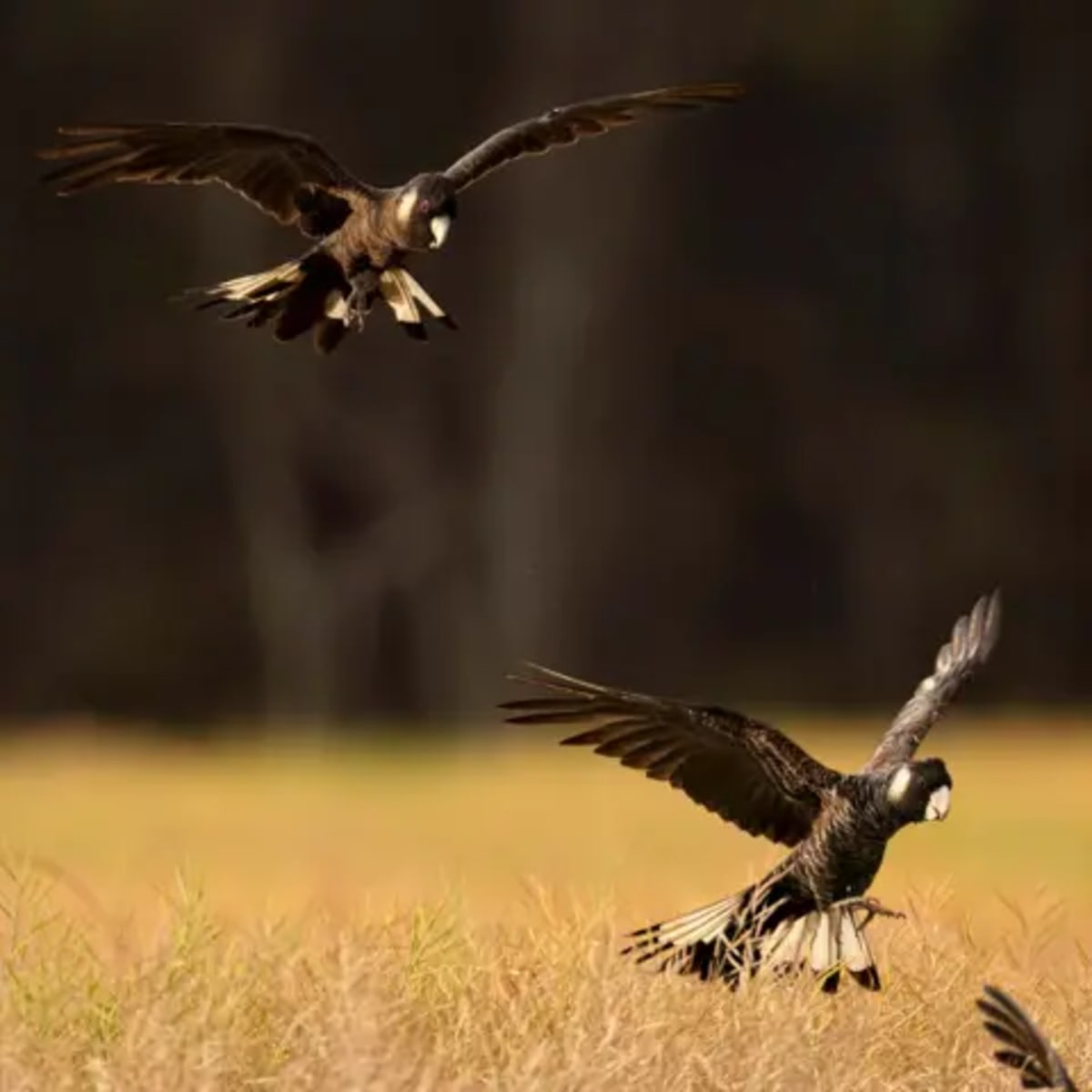
Western Australia's south-western corner is home to other struggling species like the Carnaby's cockatoo and Gilbert's potoroo. The numbat's success story offers a blueprint for their survival too.
The recovery shows what's possible when communities refuse to give up on their native wildlife. Every numbat spotted during those spring surveys represents years of patient work paying off, one termite-eating marsupial at a time.
From fewer than 50 to thriving populations, the numbat is proof that hope backed by action can reverse even the direst predictions.
More Images

Based on reporting by BBC Science
This story was written by BrightWire based on verified news reports.
Spread the positivity!
Share this good news with someone who needs it