Rare Tree Species Discovered in Kerala's Western Ghats
Scientists in India have discovered a new evergreen tree species hiding in Kerala's rainforests, adding hope to global conservation efforts. The rare find, named after a pioneering botanist, reminds us that Earth still holds beautiful secrets waiting to be uncovered.
Scientists at the Jawaharlal Nehru Tropical Botanic Garden and Research Institute have discovered a brand new tree species in the lush forests of Kerala, proving that our planet still has wonders left to reveal.
The team first spotted the unusual tree during a 2010 forest expedition in Shendurney Wildlife Sanctuary. Researchers Santhosh Kumar E.S., Sabu T., and Shareef S.M. knew immediately that something was different about this particular specimen.
They brought seedlings back to their research garden to study them safely. After 12 years of patient waiting, the trees finally flowered in 2022, allowing scientists to confirm they had found something entirely new to science.
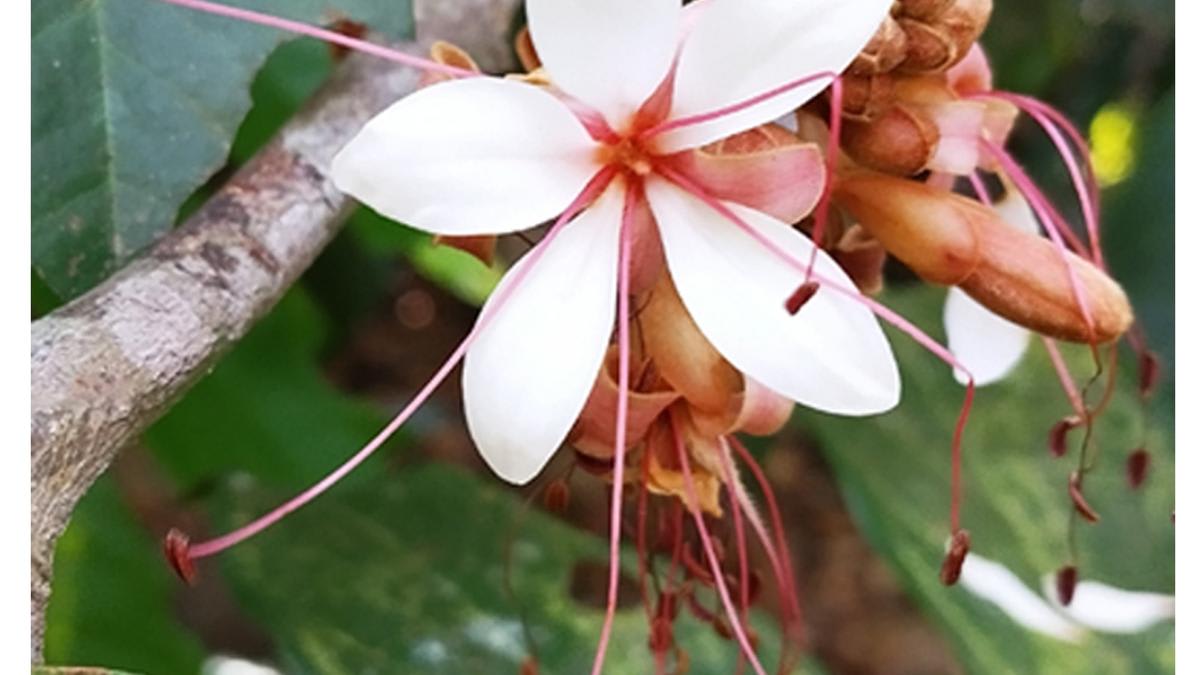
The newly named Humboldtia nairiana stands between 16 and 26 feet tall with distinctive pale brown bark marked by creamy white streaks. Its flowers bloom larger than its closest relatives, and it produces unique elliptic fruits with short beaks.
The species honors Professor G.M. Nair, a respected plant biotechnologist and former director of the institute, on his 75th birthday. His decades of work in botanical research and plant conservation helped make discoveries like this possible.
The Ripple Effect
This discovery highlights why protecting wild spaces matters so much. The Agasthyamala Biosphere Reserve where the tree grows represents one of India's biodiversity hotspots, home to countless species found nowhere else on Earth.
Finding new species in 2024 reminds us that conservation works. Protected areas like Shendurney Wildlife Sanctuary create safe havens where rare plants and animals can survive long enough to be discovered and studied.
The research team has already taken steps to protect the species by growing it in their botanical garden. This ex-situ conservation means that even if wild populations face threats, the species won't disappear entirely.
The discovery also demonstrates the value of long-term research. The 12-year gap between first spotting the tree and confirming it as a new species shows that meaningful scientific work requires patience, dedication, and sustained funding.
Scientists note that fewer than 10 mature trees exist in the wild, spread across less than one square mile. While this makes the species vulnerable, early detection gives conservationists a head start on protection efforts before the population declines further.
This rare tree now joins the growing catalog of Western Ghats biodiversity, strengthening the case for continued habitat protection in this globally important region. Every new species discovered adds another thread to the web of life that keeps ecosystems healthy and resilient.
Based on reporting by The Hindu
This story was written by BrightWire based on verified news reports.
Spread the positivity!
Share this good news with someone who needs it