Rathlin Island Goes Ferret-Free, Saves Seabird Colony
A five-year mission involving islanders, volunteers, and a red labrador named Woody has made Northern Ireland's Rathlin Island ferret-free for the first time in 40 years. The removal of invasive ferrets is already bringing rare seabirds back to the island's shores.
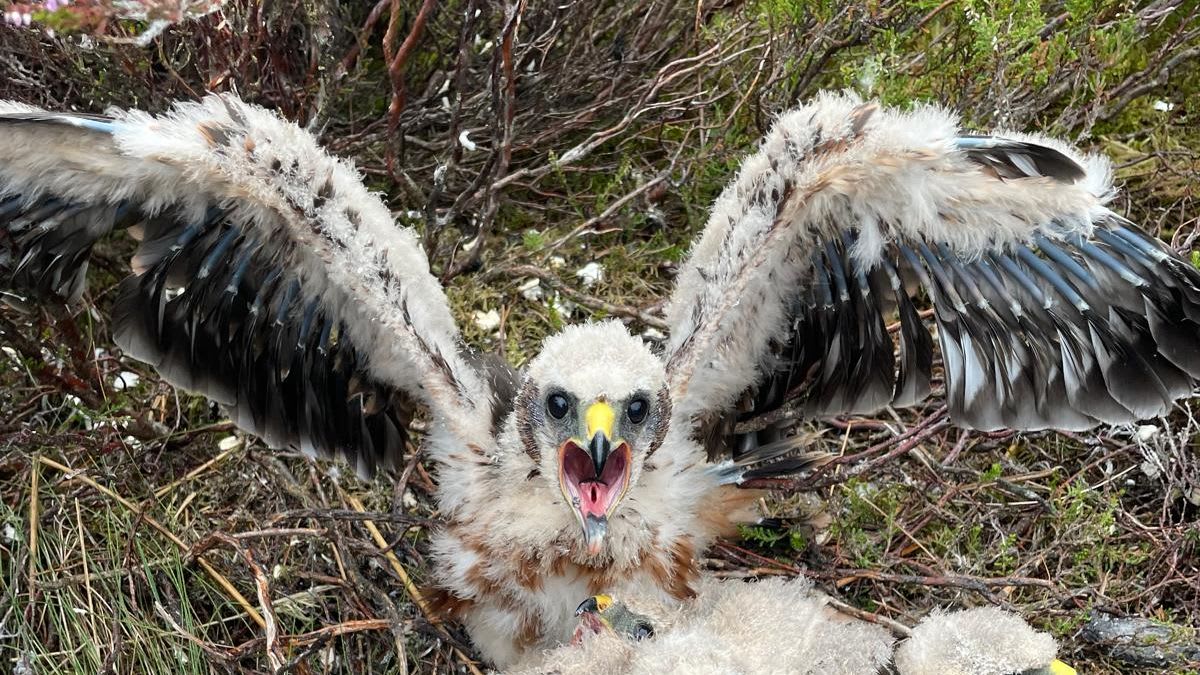
Puffins, razorbills, and rare ground-nesting birds are reclaiming their home after a groundbreaking conservation project removed every invasive ferret from Rathlin Island off Northern Ireland's coast.
The £4.5 million, five-year effort marked the world's first successful ferret eradication from an island. Led by RSPB NI with support from local islanders, charities, and volunteers, the project freed the island from a predator that had devastated its seabird population for decades.
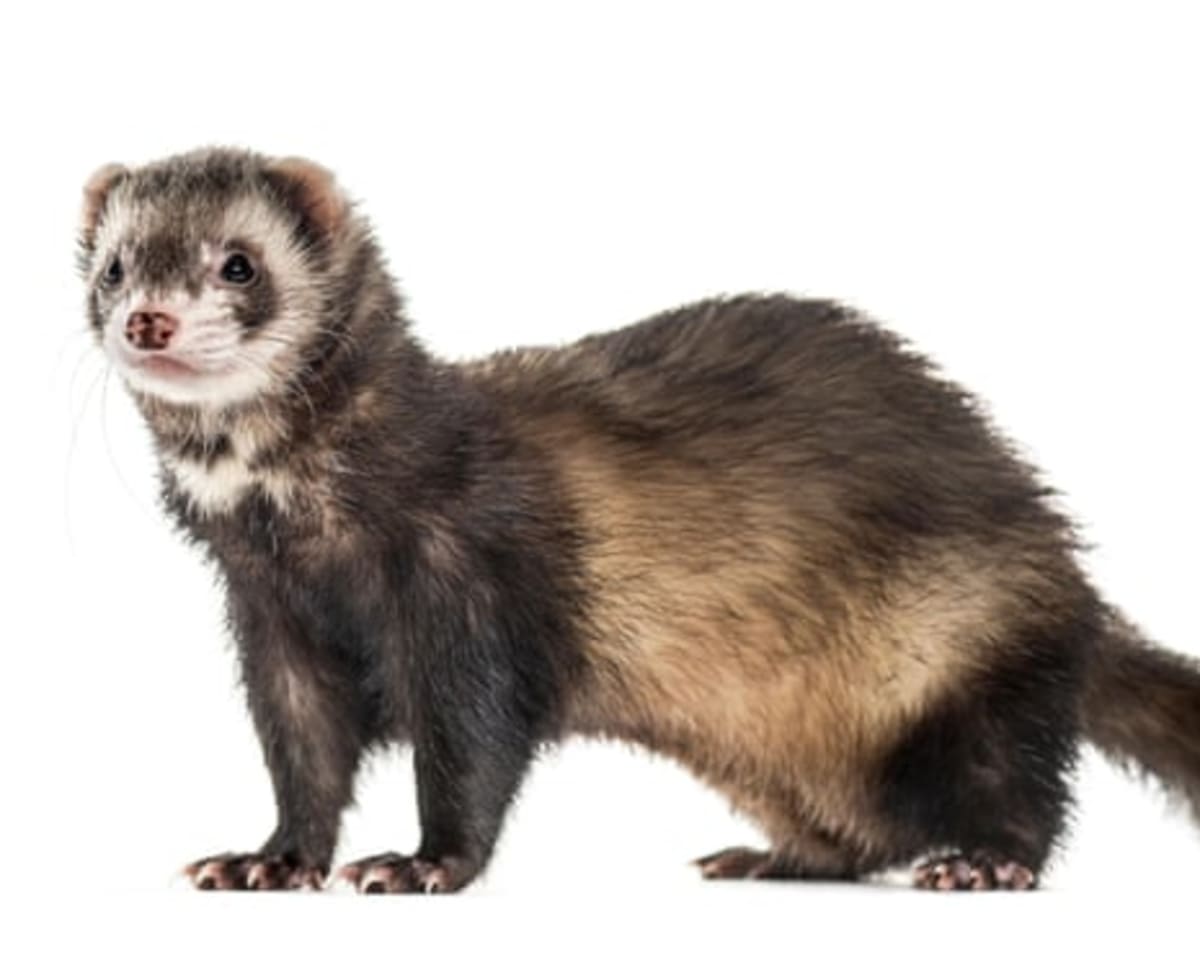
Ferrets arrived on Rathlin in the 1980s, supposedly to control rabbits. Despite claims that only males were released, females were among them, and the population exploded to over 100. The rapacious predators feasted on endangered corncrakes, Irish hares, and islanders' chickens, with one ferret killing 26 puffins in just two days in 2017.
The team deployed 110 cameras across the island, thermal drones, and a specially trained red labrador named Woody to sniff out ferret latrines and track the animals. Live traps alerted staff immediately when triggered, allowing for swift, humane action that minimized animal suffering.
By summer 2023, Rathlin was officially ferret-free. The results came quickly: six male corncrakes were recorded calling, the only breeding population in Northern Ireland. Manx shearwaters nested on the island for the first time in 40 years.
"These islands are the last real safeguarded site for seabirds," said Erin McKeown, Life Raft programme manager. "Being able to create an environment where they can breed and raise their young safely is going to be a lifeline for many species."
The island's 150 residents embraced the project wholeheartedly. "It's going to make a massive difference, especially to the wildlife," said Tom McDonnell of the Rathlin Development & Community Association. "The seabird colony will hopefully come back to what it was like twenty years ago."
The Ripple Effect
Rathlin's success joins a growing movement of island restoration projects across the British Isles. Seabirds trebled on Lundy in the Bristol Channel after rats were removed, and the Shiant Islands saw similar gains after eradication efforts.
The approach is now inspiring other projects. The Orkney islands are working to remove invasive stoats threatening ground-nesting birds and the unique Orkney vole, which feeds rare hen harriers and short-eared owls.
Going forward, AI-powered cameras and volunteer biosecurity checks will monitor the ferry dock and mainland port to prevent ferrets from returning. An ongoing program to remove brown rats, which arrived via ships in the 1800s, has seen no rat sightings since last summer.
The puffins, razorbills, and guillemots that make Rathlin home to over 250,000 seabirds now have a fighting chance to thrive for generations to come.
More Images



Based on reporting by Guardian Environment
This story was written by BrightWire based on verified news reports.
Spread the positivity!
Share this good news with someone who needs it