Reading Scores Rise for Young Students Across America
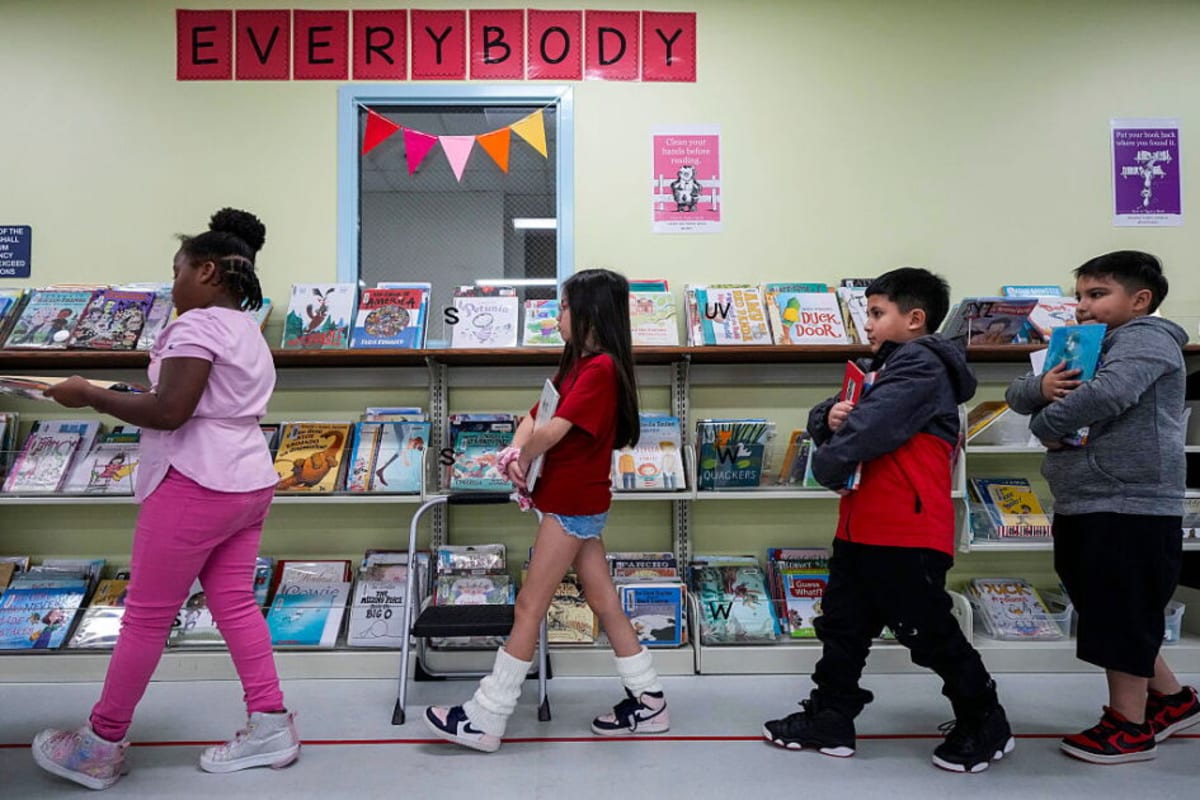
After five years stuck at pandemic lows, reading scores for elementary and middle school students are finally climbing back up. The latest data shows progress across all income levels and racial groups, with the biggest gains among struggling readers.
For the first time since COVID-19 shut down classrooms in 2020, reading scores for younger students are moving in the right direction.
New data from testing company NWEA shows that reading scores for students in kindergarten through 8th grade ticked upward between spring 2025 and spring 2026. While the gains are modest, recovering just 15 to 33 percent of pandemic learning loss depending on grade level, they mark a genuine turning point after years of stagnation.
"We're turning a corner," says Megan Kuhfeld, director of growth modeling at NWEA. The findings match other promising signs from national tests, where 9-year-olds showed improvement in both reading and math this year.
Math scores continued their steady recovery too, rising in elementary grades but leveling off in middle school. It's a mixed picture, but one that suggests the right interventions are starting to work.
The gains weren't limited to top performers. Students at the 10th percentile, those struggling most with reading, also improved for the first time in years.
That's a big deal because until 2025, the gap between high and low performers kept widening. The lowest scorers were falling further behind while top students stayed steady.
The Bright Side
The recovery is reaching students who need it most. Black and Hispanic students made some of the largest reading gains, along with kids from low-income families.
Every demographic group showed progress, suggesting that investments in evidence-based reading instruction are paying off across different communities. After years of watching achievement gaps grow wider, educators finally have proof that closing them is possible.
Today's elementary students never had to learn reading through a screen or endure months of remote learning like their older peers did. Yet their scores still lag behind pre-pandemic levels, suggesting broader challenges beyond just COVID disruptions.
Experts debate whether social media, reduced reading time at home, or changes in schools are driving the persistent reading struggles. The decline actually started over a decade ago and the pandemic just made it worse.
But the new data offers something educators haven't had much of lately: concrete evidence that recovery is underway. With reading scores rising for the first time in five years and struggling students making real gains, schools can see that their efforts are working.
More Images
Based on reporting by Google News - Student Achievement
This story was written by BrightWire based on verified news reports.
Spread the positivity!
Share this good news with someone who needs it