Reconciliation Australia Marks 25 Years of Real Progress
A quarter-century after 250,000 people walked across Sydney Harbour Bridge for reconciliation, the organization turning goodwill into action is celebrating major wins. From 8 founding partners to 3,300 organizations now working together, the shift from charity to genuine partnership is transforming Australia.
Twenty-five years ago, Australians showed up in massive numbers to support reconciliation, but good intentions needed somewhere to go.
Reconciliation Australia was born in 2001 to transform that groundswell of public support into lasting change. Chief Executive Karen Mundine, a Bundjalung woman from Northern Rivers, says the organization's mission has always been clear: take people's good intentions and turn them into real action.
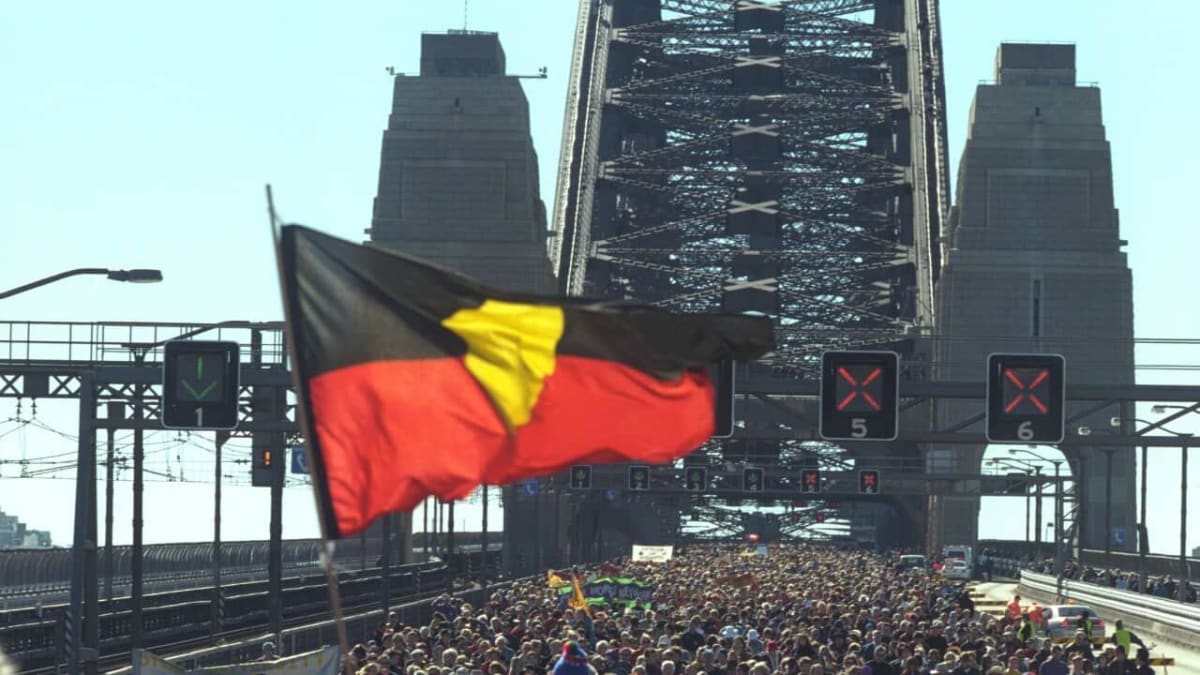
The timing mattered. The organization formed just after the iconic 2000 Sydney Harbour Bridge walk, when hundreds of thousands crossed together in a powerful show of unity. It built on work started by the Council for Aboriginal Reconciliation, which had spent a decade opening difficult but necessary conversations about Australia's past.
One program in particular shows how far things have come. The Reconciliation Action Plan started 20 years ago with just eight organizations willing to commit to concrete steps. Today, more than 3,300 organizations participate across Australia.
The numbers tell a story of genuine partnership. These organizations spent $5.6 billion with Aboriginal and Torres Strait Islander businesses in the past year alone. They employ approximately 63,000 Indigenous staff members, creating real economic opportunity.
Education is catching up too. The Narragunnawali program now reaches about 2,700 schools and early learning centers, ensuring the next generation grows up understanding the full story of their country.
Mundine says the most important shift has been subtle but profound. In the late 1990s, many Australians simply didn't know their own history or understand the Stolen Generations. That knowledge gap made honest conversation about reconciliation nearly impossible.
Today's conversations look completely different. The focus has moved from support and advocacy toward genuine partnership and Indigenous leadership.
The Ripple Effect
The transformation Mundine describes changes everything about how reconciliation works in practice. Organizations aren't asking how they can help Aboriginal and Torres Strait Islander peoples anymore. They're asking how they can work together as equal partners.
That shift from charity to partnership creates space for Indigenous voices to lead their own futures. It means business relationships built on mutual benefit, not pity. It means employment based on opportunity, not tokenism.
The community truth-telling work Reconciliation Australia supports helps more Australians understand why this partnership matters. When people know the full history, they can participate in healing rather than perpetuating harm.
From those humble beginnings with eight organizations to a nationwide movement involving thousands of businesses, schools, and community groups, the groundswell that started on the Sydney Harbour Bridge has become something sustainable and transformative.
Twenty-five years of turning good intentions into real action proves that lasting change happens one partnership at a time.
More Images

Based on reporting by SBS Australia
This story was written by BrightWire based on verified news reports.
Spread the positivity!
Share this good news with someone who needs it