Aboriginal Owners Win Rights to 4,000 km of Sacred Land
Traditional owners in Australia's Utopia region just won native title rights to more than 4,000 square kilometers of their ancestral land. The Federal Court decision ends a legal battle and opens the door for families to protect sacred sites and pass down culture to their children.
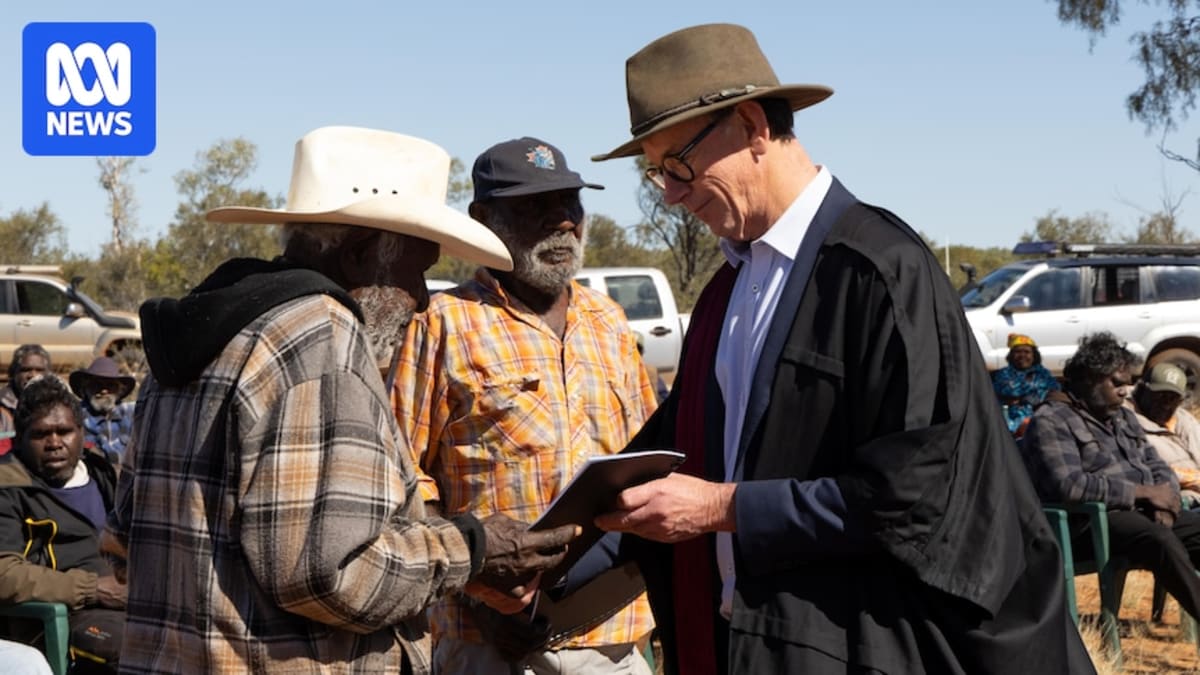
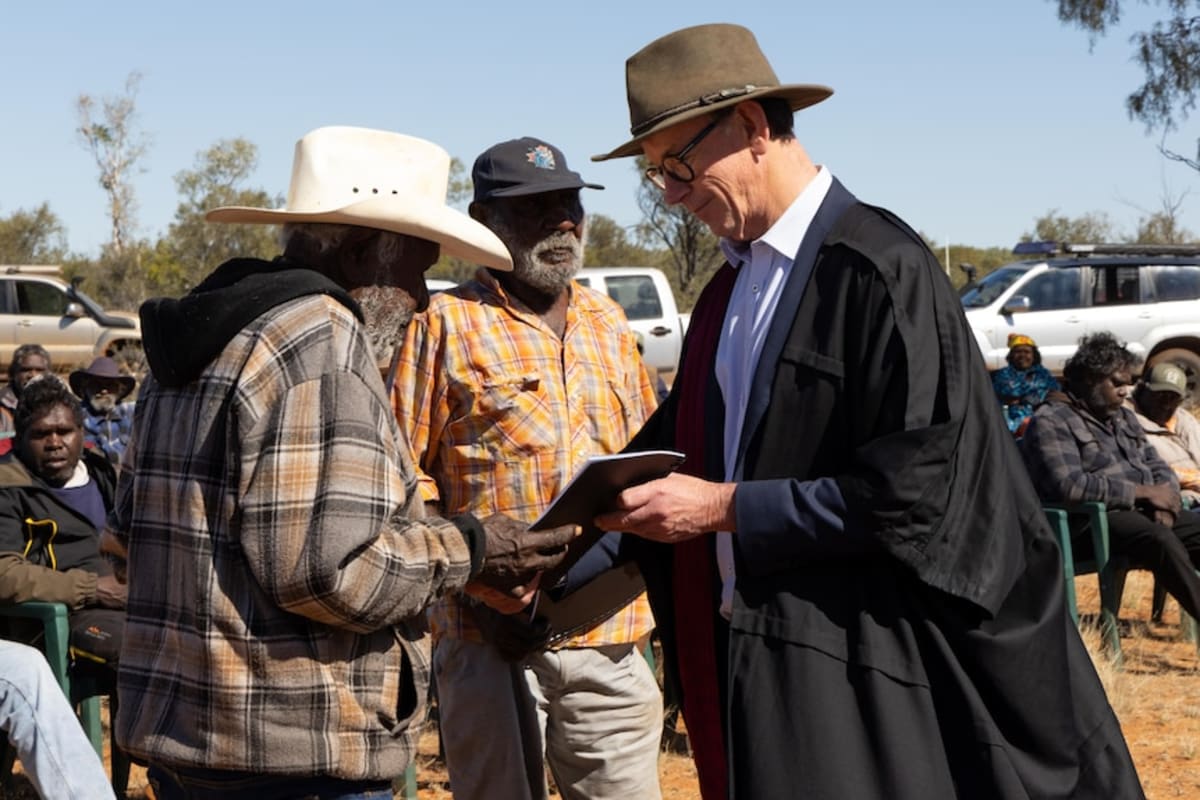
Under a clear desert sky 160 kilometers north of Alice Springs, a Federal Court judge wearing black robes stood among traditional owners and handed them something priceless: legal recognition of land their people have cared for since time began.
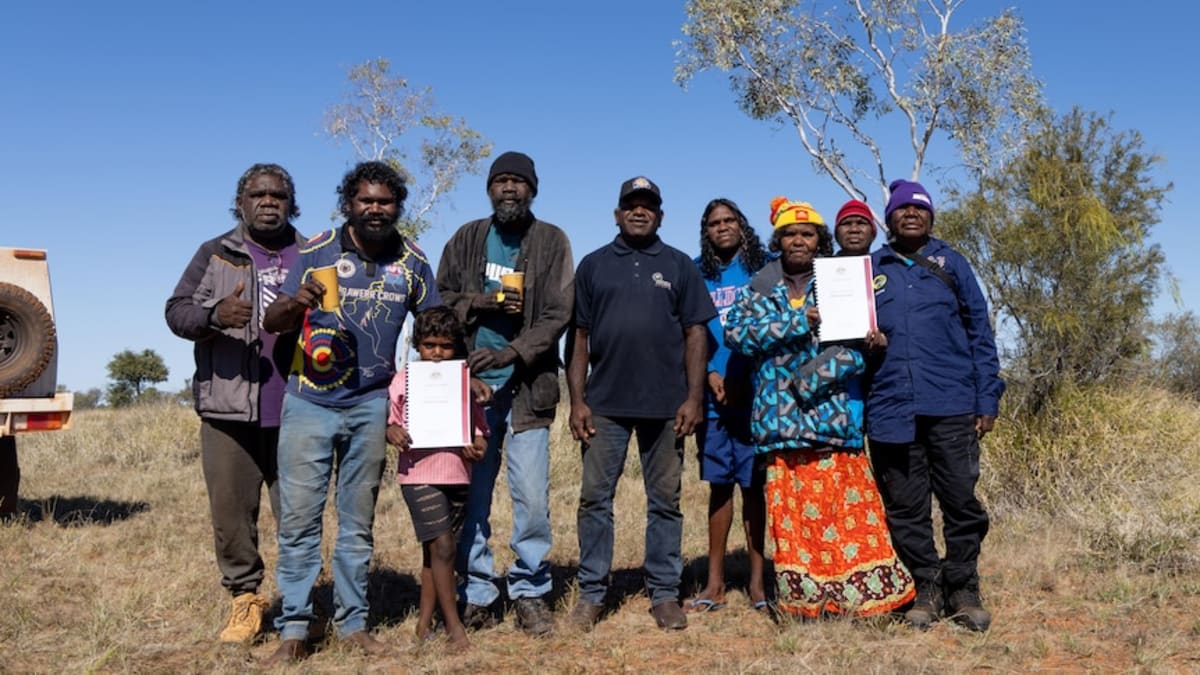
Justice Stephen Burley traveled to the remote Utopia region on Tuesday to grant native title rights covering more than 4,000 square kilometers to eight Aboriginal family groups, primarily from the Anmatyerr language community. The determination gives them the power to access their country, protect sacred sites, and keep their cultural practices alive.
"Because it's our special country, it's really important for us," said Graham Long, a native title holder and Alyawarr man. "We are really, really so proud to get our land back."
The journey to this moment started in 2016 with research and became an official claim in 2023. The area includes Mount Skinner and Woodgreen stations, with mountain ranges, flat country, and rock holes that hold deep spiritual significance for the traditional owners.
For years, native title holders fought for the right to visit sacred men's sites and places for sorry business, their cultural grieving ceremonies. Now they can walk the same traditional tracks their ancestors walked, gathering bush food and medicine from hollow trees and soakages their elders taught them about through songs and stories.
A small 20 square kilometer portion of the area carries the strongest possible native title determination: exclusive possession. The remaining land grants non-exclusive rights, meaning traditional owners share access with pastoralists who continue to run cattle stations there.
The Ripple Effect
This consent determination represents something bigger than a legal victory. By reaching agreement with the Northern Territory government and local pastoralists, all parties avoided what Justice Burley called "potentially years of legal wrangling."
The Northern Territory Cattlemen's Association welcomed the decision, with chief executive Romy Carey saying it "provides certainty and supports respectful, practical relationships between native title holders and pastoralists." That cooperation sets a template for future determinations across Australia.
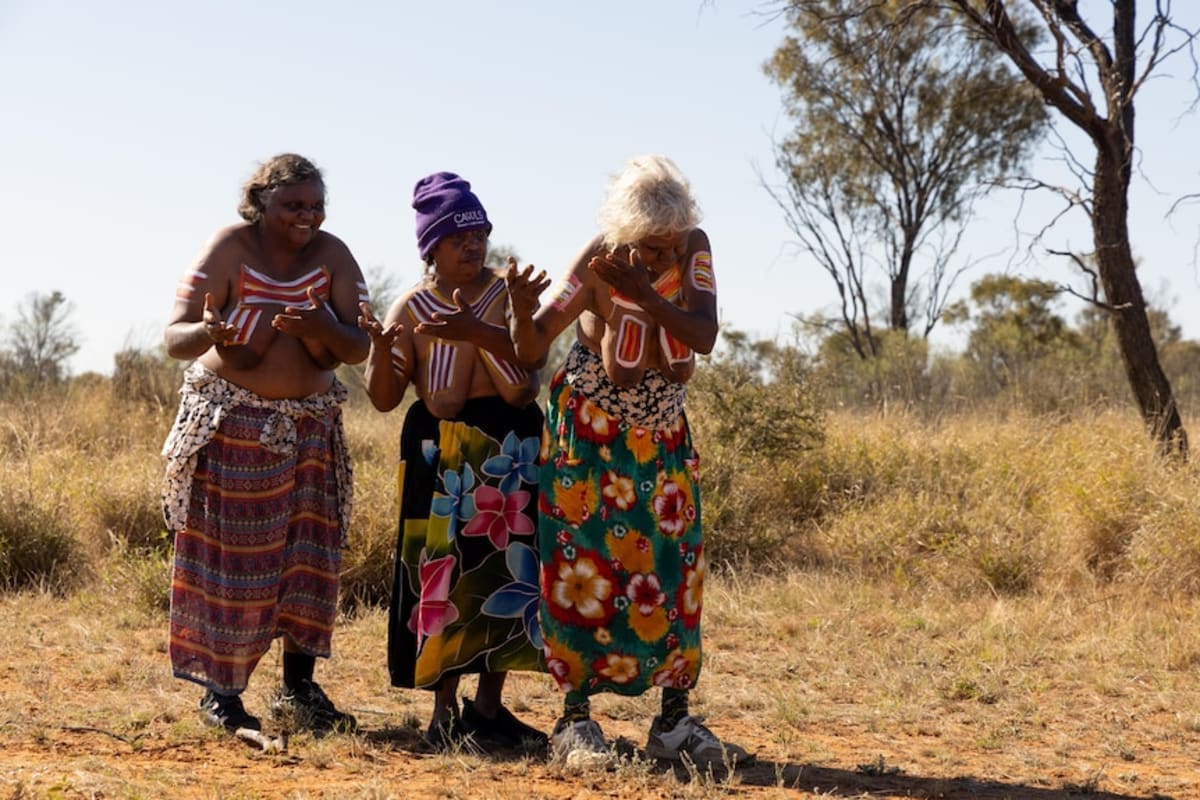
Most importantly, it creates pathways for the next generation. Long hopes to take his children out to his country, teaching them the same lessons his elders taught him. Traditional dancers Lucy, Helen, and Josie Kunoth performed at the ceremony's close, a living demonstration of culture that will now have protected space to flourish.
Justice Burley summed up the heart of the matter: "The court recognizes what you, as traditional owners, have known all along, which is that you have a continuous connection to this country, going back since the beginning of time." Now that connection has the legal protection it always deserved.
More Images

Based on reporting by ABC Australia
This story was written by BrightWire based on verified news reports.
Spread the positivity!
Share this good news with someone who needs it