Islamic Scholars Launch 70 Projects in Uzbekistan Forum
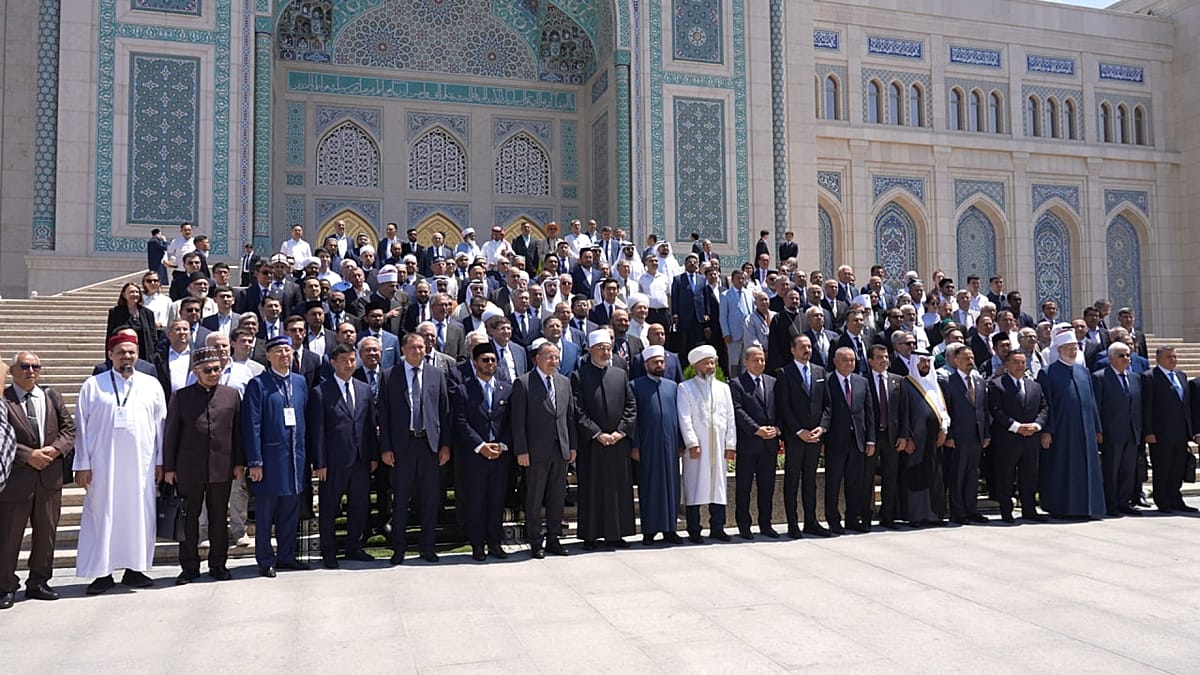
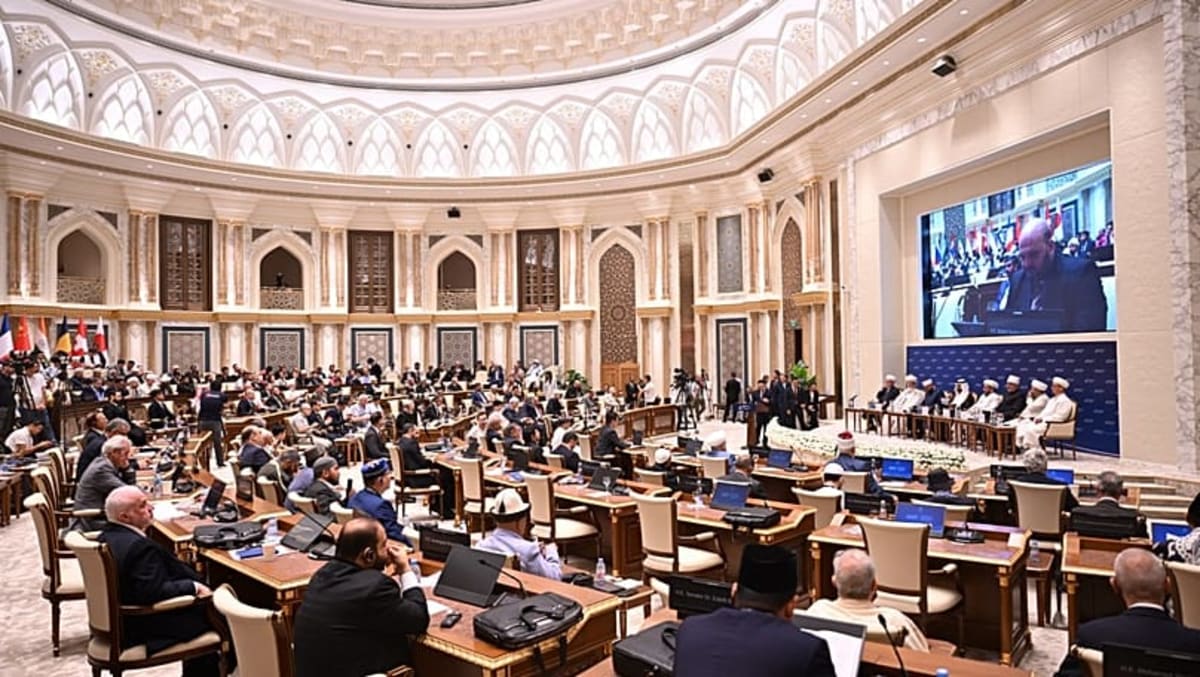
More than 450 scholars from 50 countries gathered in Uzbekistan to celebrate Islamic civilization's contributions to science and launch collaborative projects that preserve heritage and promote education. The five-day forum highlighted how ancient Muslim mathematicians and astronomers laid foundations for modern AI and space exploration.
Scholars and religious leaders from across the globe are celebrating centuries of Islamic scientific achievement and launching 70 new international projects to preserve that legacy.
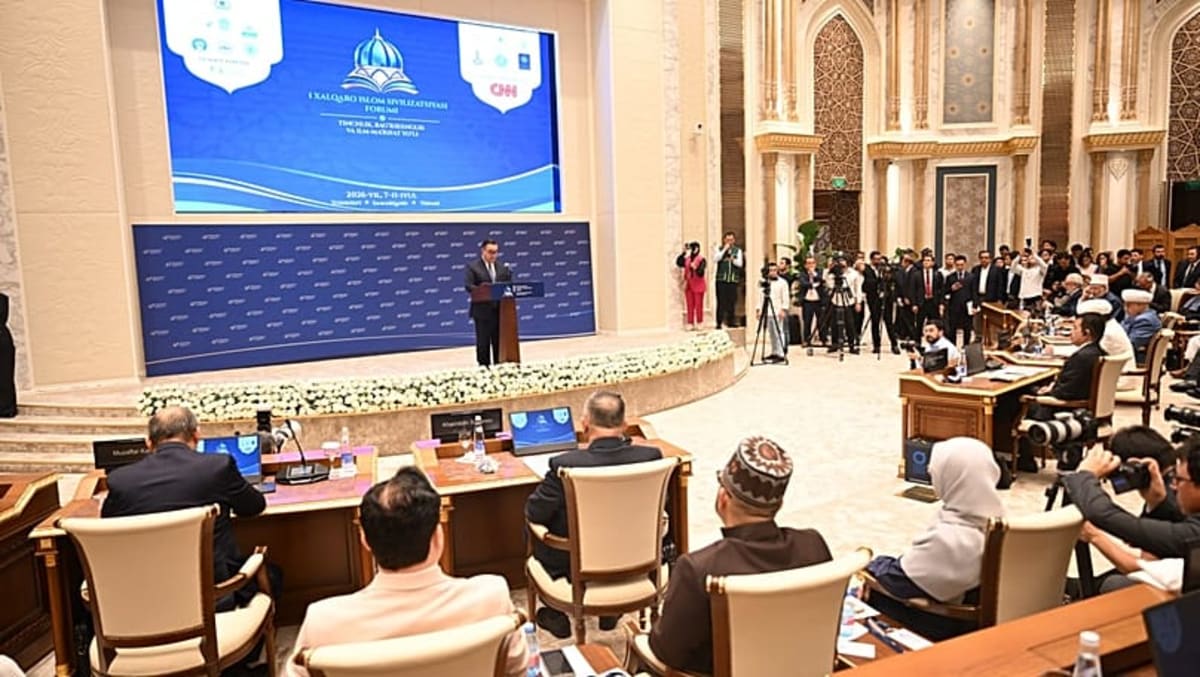
The first International Forum of Islamic Civilisation brought together more than 450 participants from over 50 countries to Uzbekistan this week. The five-day gathering focuses on how Islamic scholars transformed mathematics, astronomy, medicine, and philosophy.
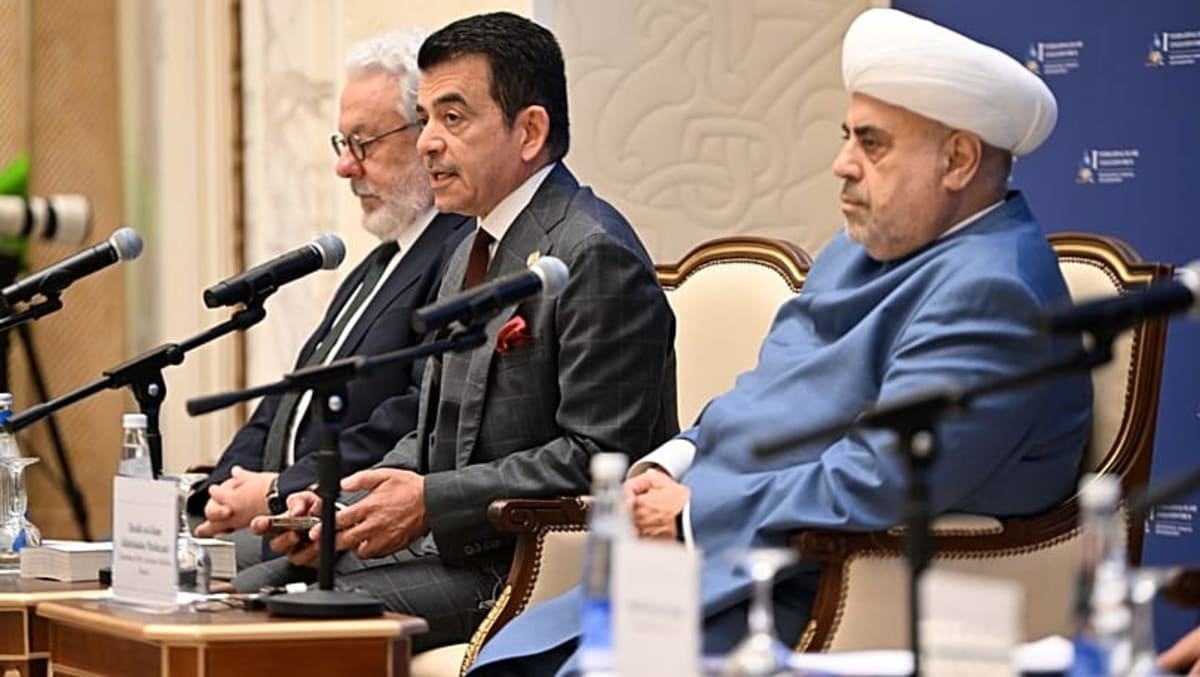
For Dr. Salem bin Mohammed Al-Malik, who leads the Islamic World Educational, Scientific and Cultural Organization, the connection between ancient wisdom and modern innovation is clear. "AI could not exist without the principles that were laid down by Al-Khwarizmi," he told attendees, also crediting astronomers Ulugh Beg and Al-Biruni for advances in space science.
The forum challenges stereotypes by showcasing Islam's long tradition of scholarship and discovery. Rustam Jabborov, Scientific Secretary of Uzbekistan's Centre of Islamic Civilisation, said the goal is demonstrating that "Islam has always called for knowledge, education and humanism."
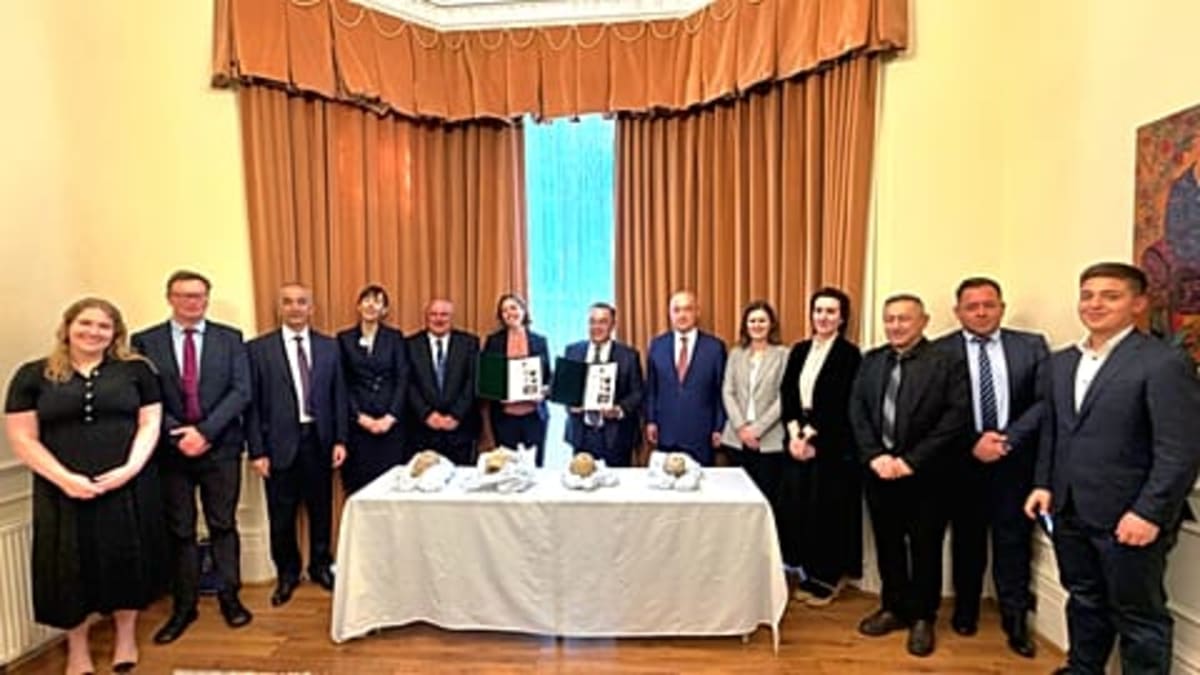
Researchers shared exciting news about manuscript discoveries. Abdul-Ati Al-Sharqawi, whose foundation studies heritage preservation, said nearly 100,000 manuscripts produced by Central Asian scholars now rest in libraries worldwide, with new finds emerging regularly.
The Ripple Effect
The collaborative projects launched at the forum will connect universities, museums, and research institutions across continents. Participants are using artificial intelligence to help preserve and study ancient manuscripts, making centuries of knowledge accessible to new generations.
The forum also produced plans for expanded academic exchanges and international research partnerships. Delegates will adopt the Tashkent Declaration, outlining future cooperation in manuscript preservation, education, and digital technologies.
Turkey's Deputy Chairman Kürşad Zorlu noted Uzbekistan's growing influence in promoting cultural dialogue. "With its strength from more than 3,000 years of history, Uzbekistan has now become one of the important centres of Islamic civilisation," he said.
The gathering brings hope that education and cultural exchange can build bridges in a world facing conflict and mistrust.
More Images
Based on reporting by Euronews
This story was written by BrightWire based on verified news reports.
Spread the positivity!
Share this good news with someone who needs it