Record Rain Transforms South Australian Farms in Weeks
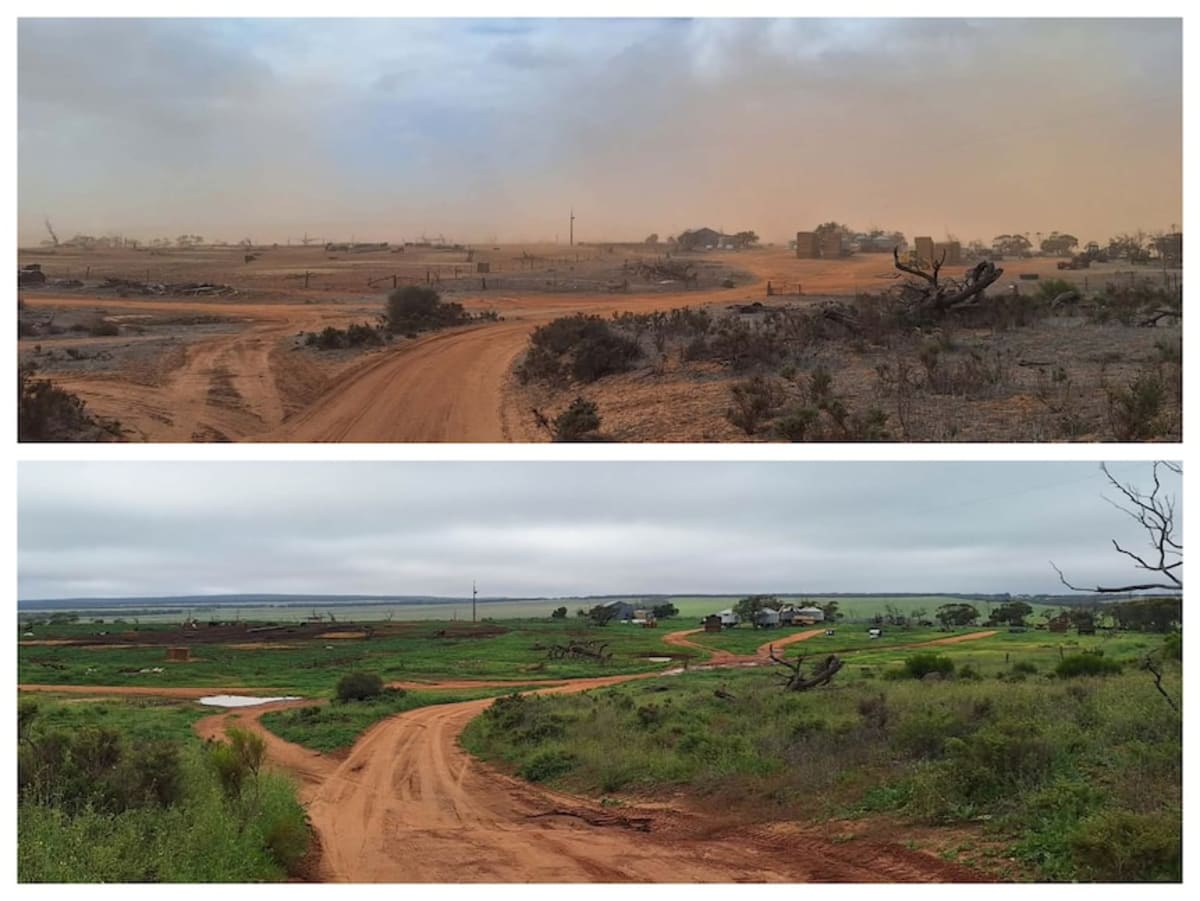
After hand-feeding cattle through brutal drought, South Australian farmers now face a welcome problem: calves hiding in grass so thick they're hard to find. Record autumn rainfall has turned barren farms green across the state.
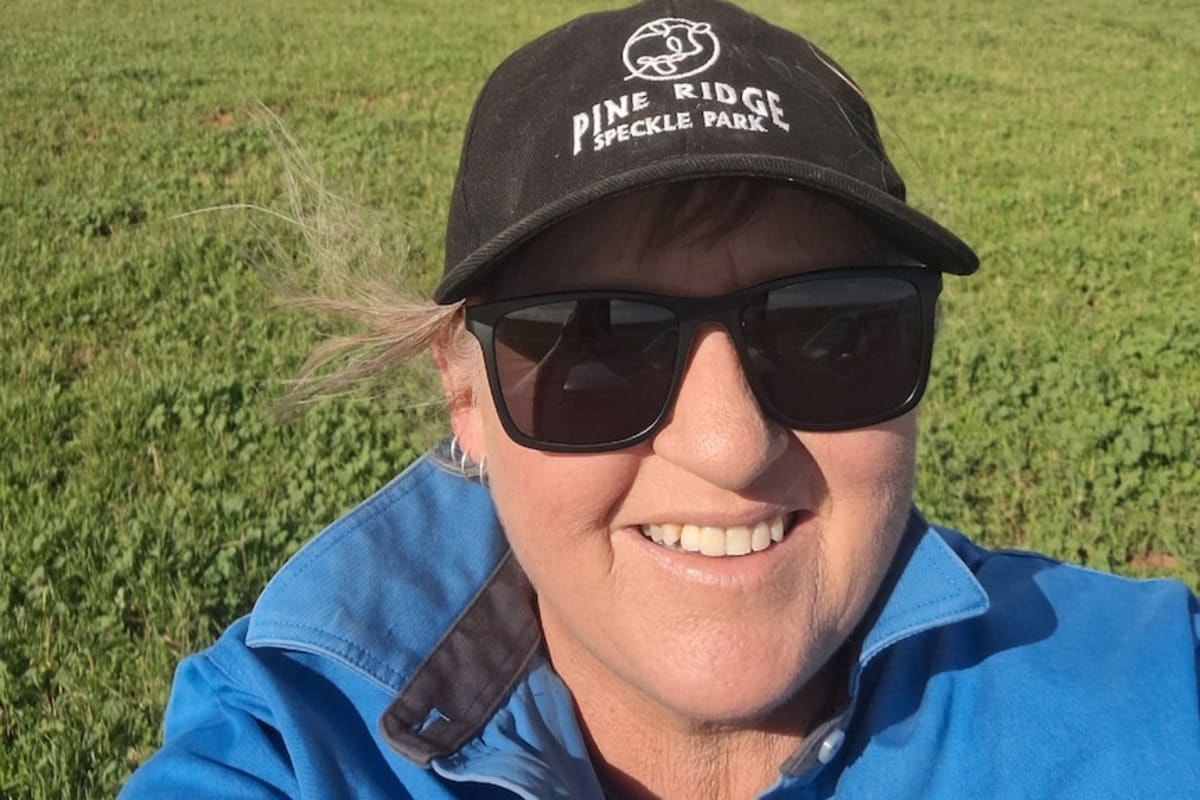
Megan Lister spent last year hand-feeding her cattle around the clock on her farm east of Wudinna. Today, she's searching through waist-high grass trying to find newborn calves that keep disappearing in the lush green pasture.
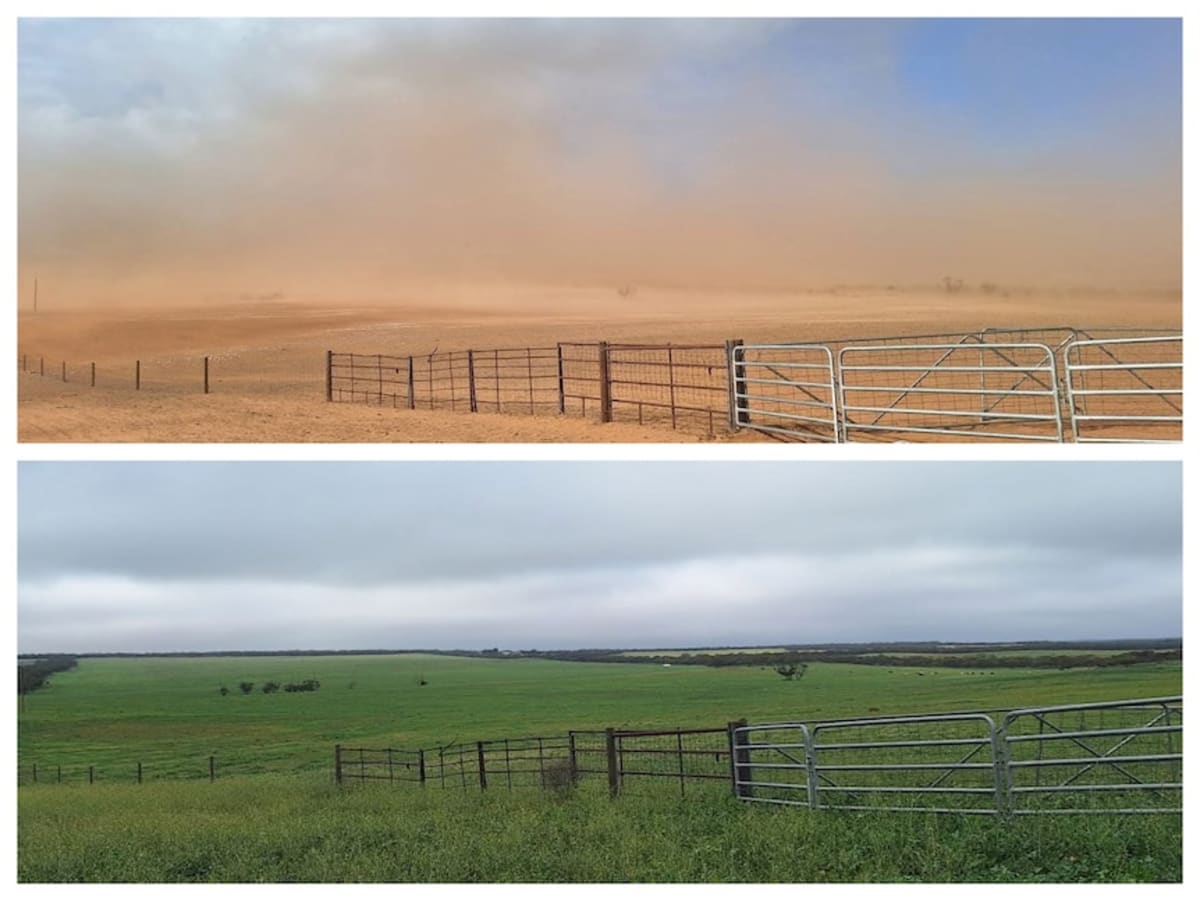
That's the kind of problem South Australian farmers are celebrating after record-breaking May rainfall ended years of crushing drought. Where brown dirt stretched to the horizon 12 months ago, thick grass and healthy crops now blanket nearly 2 million hectares across the state.
The turnaround started in February when 160mm of rain fell in a single downpour. The rain kept coming through autumn, breaking records across the region and restoring moisture deep in the soil where crop roots can reach it.
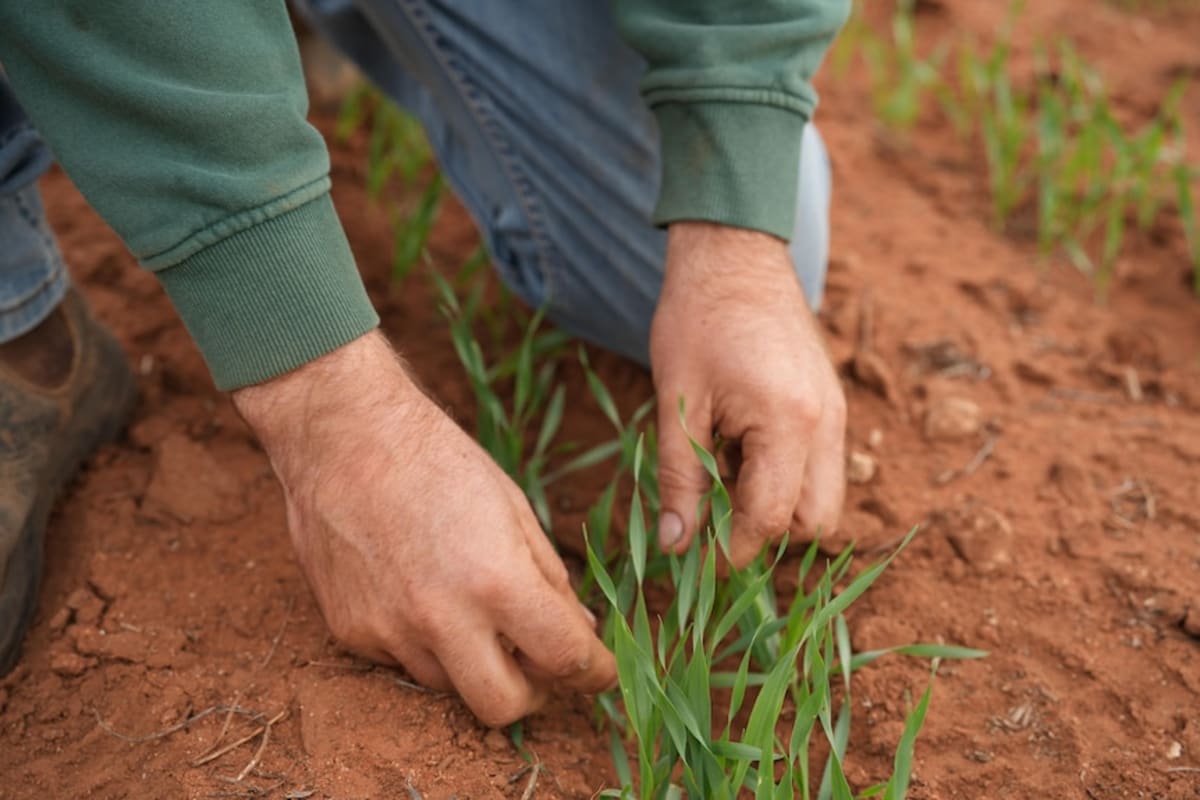
"Green, everywhere green," Lister said. She managed to keep her entire herd through the drought and has now planted 809 hectares of wheat and barley to take advantage of the wet conditions.
The transformation extends far beyond one farm. Renmark Airport recorded 124.8mm in May alone, shattering previous records. The Mallee district's Gluepot Reserve saw 205.4mm fall during autumn, the wettest on record for the season.
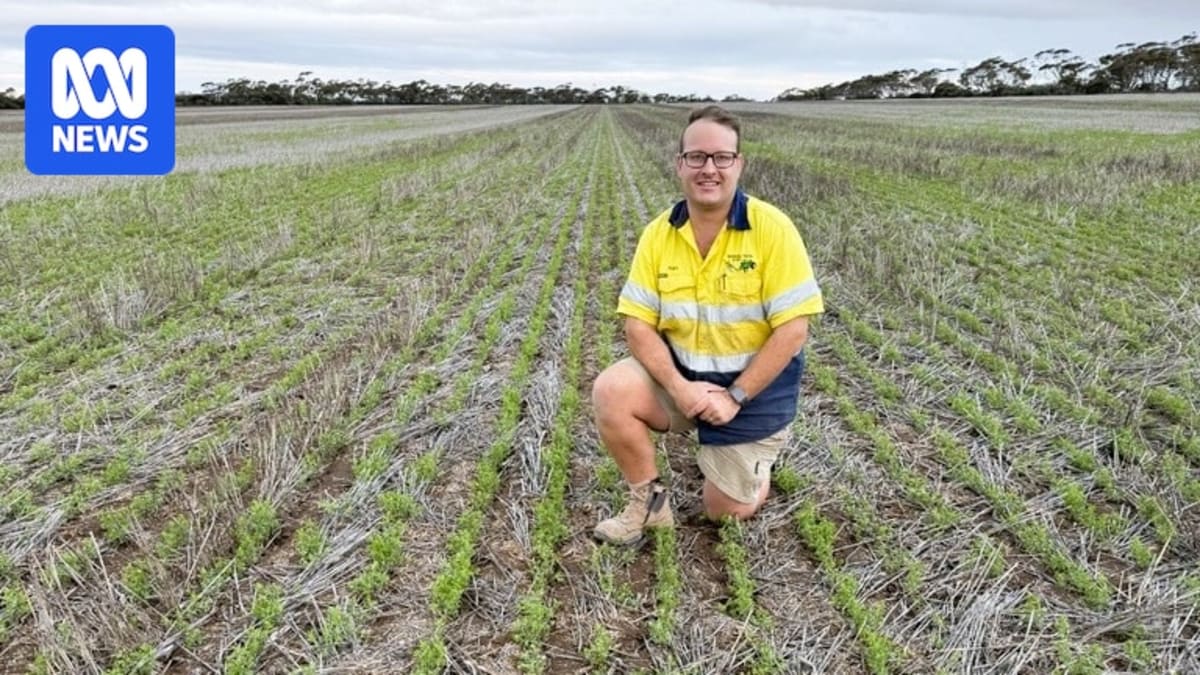
Matt Cadd, who grows wheat and lentils near Kadina on the Yorke Peninsula, has already received more rain this year than in all of 2024. He finished planting a full month earlier than usual, giving his crops extra time to develop strong root systems before any dry spells arrive.
"The plants have been up long enough that they should have a decent root system to access that deeper moisture in the soil," Cadd said. Early establishment means better chances of a strong harvest even if conditions turn drier later.
Satellite analysis shows this growing season running 10 days ahead of 2022 and 2023, both considered good years for South Australian agriculture. Sam Atkinson from Digital Agriculture Services called it "the best year since at least 2020" after two particularly hard seasons.
The Ripple Effect
The recovery reaches beyond individual farms into entire rural communities that depend on agriculture. Feed stores are selling hay for storage instead of emergency rations. Equipment dealers are busy with farmers preparing for harvest instead of helping them downsize. Rural families who wondered if they could hang on another year are planning for the future again.
The dramatic shift shows how quickly farming fortunes can change with the right weather. Cattle that were struggling now graze in excellent condition, calving into green feed instead of bare ground.
Long-range forecasts predict a drier, warmer winter ahead, but farmers say the early rain has built a crucial buffer. Stored feed, healthy livestock, and well-established crops give them resilience whatever comes next.
For now, South Australian farmers are savoring a rare luxury: losing calves in grass that's simply too thick to see through.
More Images
Based on reporting by ABC Australia
This story was written by BrightWire based on verified news reports.
Spread the positivity!
Share this good news with someone who needs it