Recycled Tires Make Electric Cars 6.5 Decibels Quieter
German researchers turned old tire rubber into tiny particles that silence annoying hums and whistles in electric vehicles. The breakthrough makes EVs more pleasant while solving a recycling challenge.
Electric cars may save the planet, but their high-pitched hums and whistles can drive passengers up the wall.
Researchers at Otto von Guericke University Magdeburg in Germany just solved two problems at once. They discovered that ground-up rubber from recycled tires can dramatically reduce the annoying electronic noises that plague many electric vehicles.
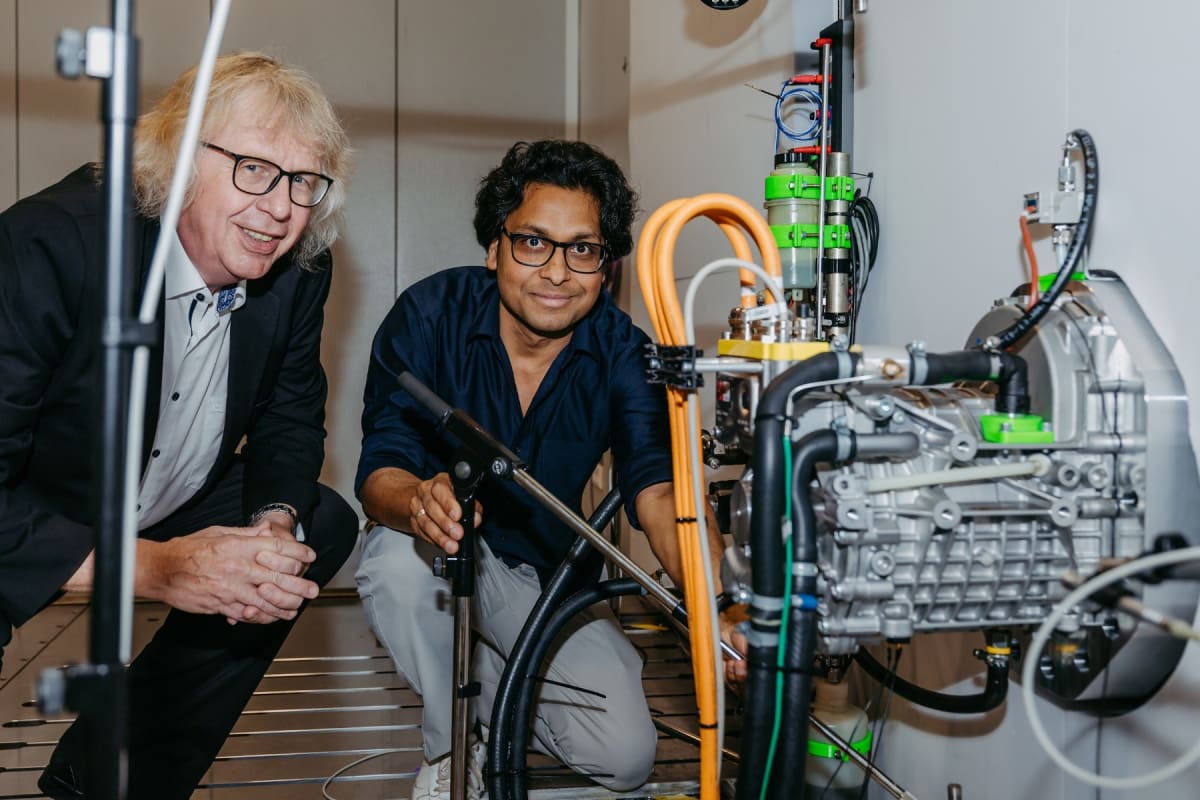
The science is surprisingly simple. Power electronics and inverters in EVs create vibrations that produce whirring, humming, and high-pitched whistling sounds. Professor Hermann Rottengruber and his team fill existing empty spaces inside these components with tiny rubber particles from old tires.
The particles bounce around inside these cavities and absorb vibrations before they turn into noise. In lab tests, the recycled rubber reduced sound levels by 6.5 decibels in the most troublesome frequency ranges. Vibrations in component covers dropped by an impressive 9.7 decibels.
Current solutions involve heavy insulation mats that add weight and cost. More weight means less efficiency and shorter driving range. The recycled tire approach uses spaces already built into the components, adding minimal weight while costing less.
Dr. Braj Bhushan Prasad warns it's not as easy as just dumping rubber bits into any cavity. Particle size, material properties, filling amount, temperature, and component shape all affect performance. The team must calculate and test each application carefully to find the optimal combination.
The Ripple Effect
This innovation tackles multiple challenges facing our electric future. Millions of tires end up in landfills every year, creating environmental headaches. Turning that waste into noise-dampening material gives old rubber new purpose.
Quieter cabins make electric vehicles more appealing to buyers who might hesitate because of electronic whine. Better passenger comfort could accelerate EV adoption, getting more gas-guzzlers off the road faster.
The technology could expand beyond power electronics to inverters, control units, and other vibration-prone drivetrain components. Rottengruber envisions this becoming a standard design tool for future electric vehicles.
The team plans to refine their method into something automakers can easily implement. Their goal goes beyond just cleaner transportation to making electric cars sound as pleasant as they are environmentally friendly.
Tomorrow's EVs might run on batteries, but they'll ride quieter thanks to yesterday's tires.
More Images


Based on reporting by Google News - Electric Vehicle
This story was written by BrightWire based on verified news reports.
Spread the positivity!
Share this good news with someone who needs it