Red Light Therapy Protects Football Players' Brains
A breakthrough University of Utah study shows red light therapy completely prevented brain inflammation in football players over a full season. The simple treatment could protect athletes, soldiers, and first responders from long-term cognitive damage.
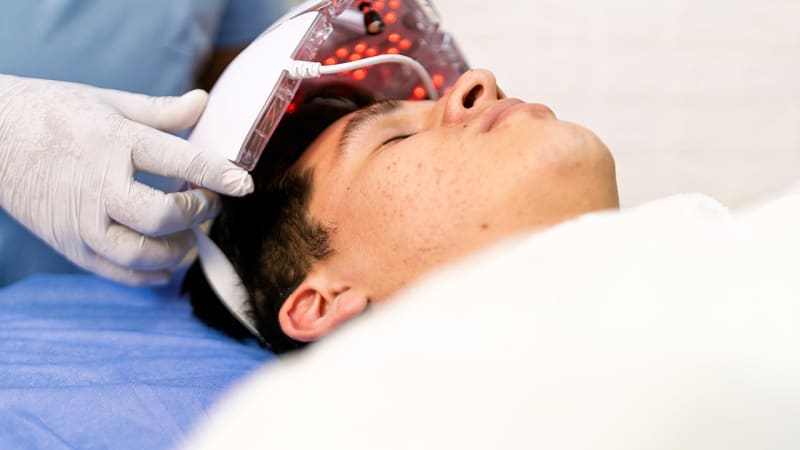
Football players who used red light therapy for just 20 minutes, three times a week, showed zero increase in brain inflammation over an entire season.
University of Utah researchers gave 26 current football players either real red light therapy or a placebo device that looked identical but produced no light. The difference was striking.
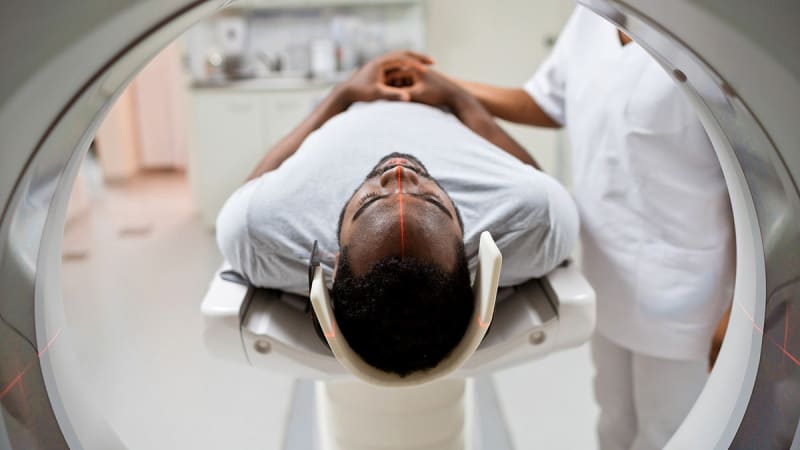
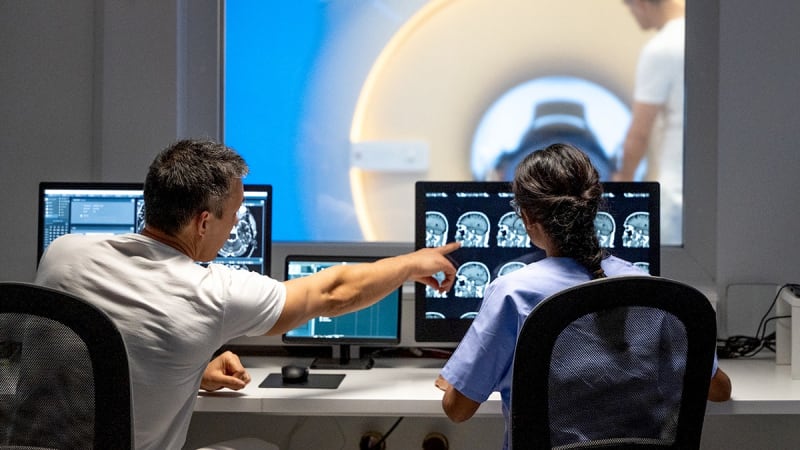
Players using the placebo showed significantly increased brain inflammation by season's end, visible on MRI scans. Players who received the real therapy maintained healthy brain inflammation levels throughout months of impacts and collisions.
"My first reaction was, 'There's no way this can be real,'" said lead researcher Hannah Lindsey. "That's how striking it was."
The treatment used specialized headsets and nose clips that deliver specific wavelengths of light powerful enough to penetrate the skull. Inside the brain, this light appears to reduce molecules that trigger inflammation, potentially stopping the path toward dementia and other cognitive problems.
The stakes are enormous. More than 100 former NFL players have been posthumously diagnosed with chronic traumatic encephalopathy (CTE), a progressive brain disease caused by repeated head impacts. Military personnel in combat face similar risks, as do first responders and veterans.
The Ripple Effect
This discovery could transform how we protect people whose jobs or passions put their brains at risk. The therapy is non-invasive, self-administered, and requires no medication or surgery.
"We've been trying to figure out how to make sports safer, so that our kids, friends and family can participate in sports safely for the long term while they're involved in activities that give them happiness and joy," said study co-author Carrie Esopenko. "And this really feels like part of the hope for protecting the brain that we've been searching for."
Senior researcher Elisabeth Wilde admitted she was "extremely skeptical" when the project began. But after seeing consistent results across multiple studies, the evidence has become "quite compelling."
The team acknowledges the small sample size as a limitation. They're already planning a much larger randomized controlled trial in 2026, recruiting 300 people with traumatic brain injury symptoms, focusing on first responders, veterans, and active-duty service members.
The beauty of this breakthrough is its simplicity: no pills, no procedures, just light protecting brains while people pursue the activities they love.
More Images
Based on reporting by Fox News Health
This story was written by BrightWire based on verified news reports.
Spread the positivity!
Share this good news with someone who needs it