Refugees Outside Camps Find Jobs, Stability Faster
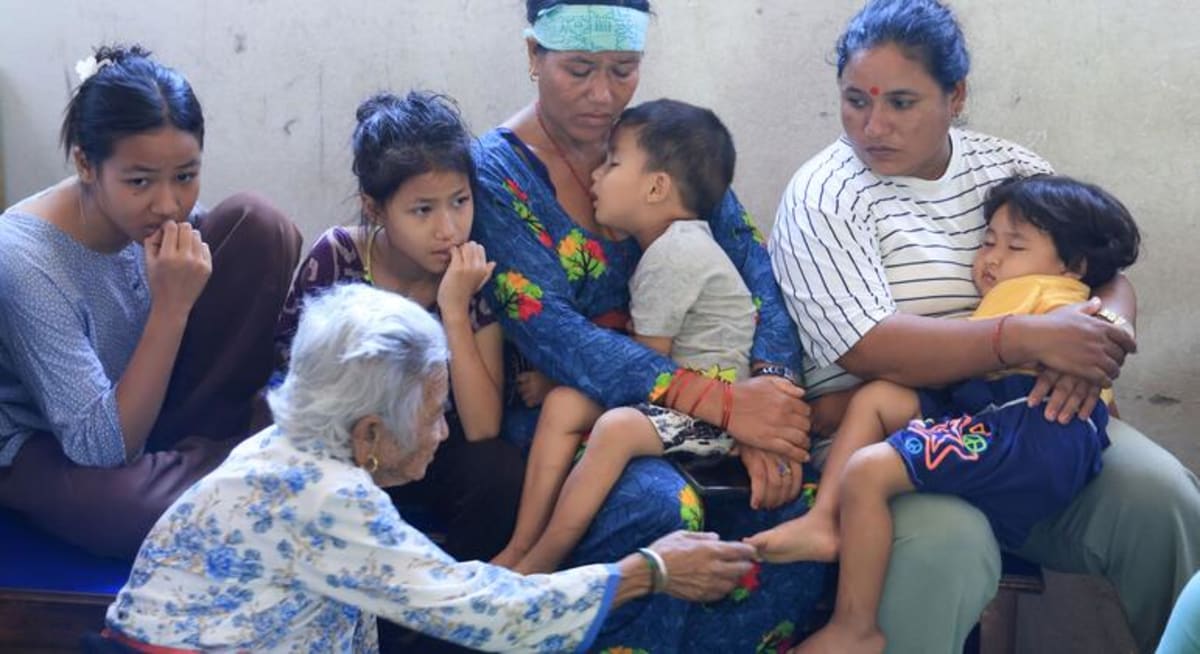
A groundbreaking study of 8,000 families across 16 countries reveals that refugees living in cities and towns achieve self-reliance far faster than those in camps. The findings challenge how the world supports 117 million displaced people.
Refugees given support outside traditional camps are finding jobs, building savings, and creating stable lives at rates their counterparts in camp settings simply cannot match.
Researchers analyzed data from nearly 8,000 displaced families across 16 countries, tracking everything from employment and savings to healthcare access and safety. The results were clear: families living in cities, towns, and villages showed real, measurable progress over time, while those in camps saw little improvement or even declined in areas like education and financial resources.
The difference comes down to opportunity. Refugees outside camps can work legally, access local markets, and move freely. They can start businesses, send their kids to neighborhood schools, and gradually reduce their dependence on aid.
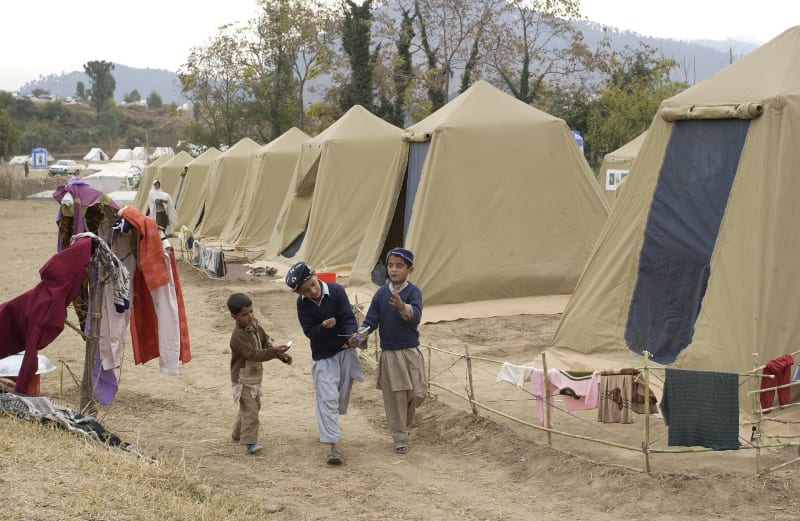
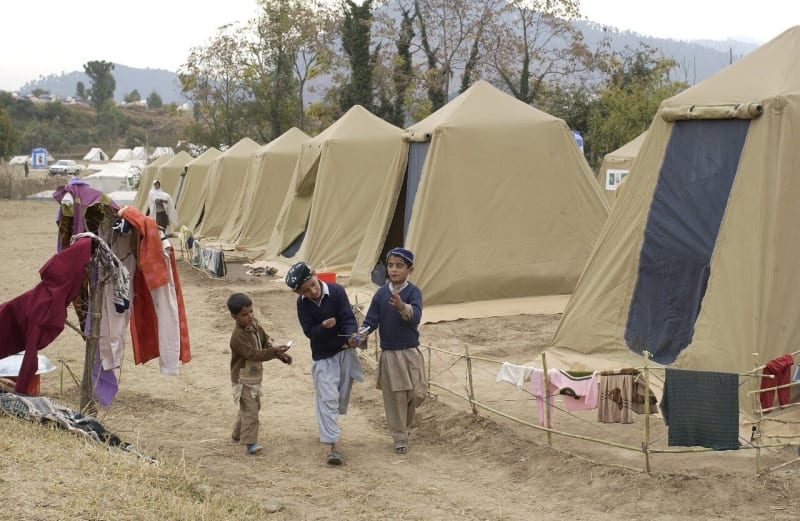
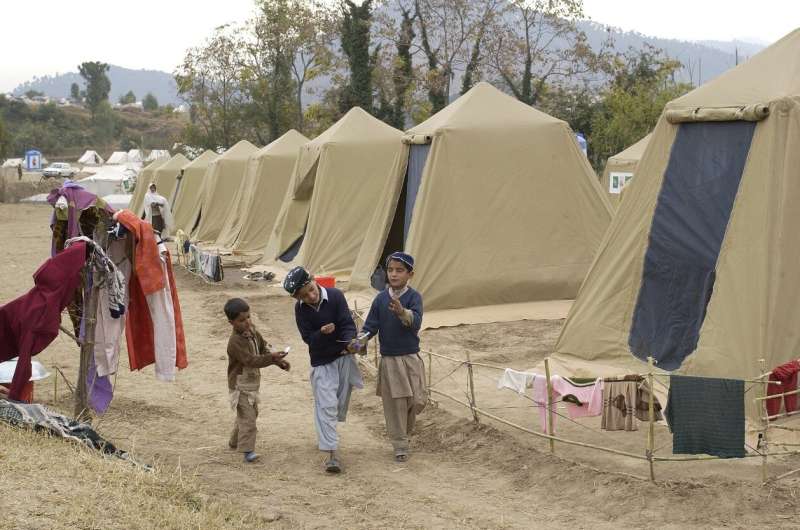
Camp residents face the opposite reality. While camps provide food, shelter, and basic services in the short term, they often restrict where people can go and whether they can work. What was designed as temporary protection becomes a trap when displacement stretches from months into years or decades.
The findings matter more than ever. The world is experiencing record displacement, with over 117 million people forced from their homes. Most end up in neighboring countries where resources are already stretched thin, and humanitarian funding has dropped dramatically due to recent cuts in assistance.
The Ripple Effect
The research reveals an important truth: blocking displaced people from working doesn't save money. It just shifts costs into the future while keeping families dependent on aid that must continue indefinitely.
When refugees can work and contribute to local economies, everyone benefits. Host communities gain workers and consumers. Refugee families regain dignity and purpose. Aid organizations can redirect limited resources to those who need them most.
The study doesn't answer every question. Researchers still need to determine which specific interventions work best, whether cash assistance or legal documentation matters more, and how to better support families transitioning out of camps.
But the evidence points clearly in one direction. Progress is possible when the environment allows it. Families living outside camps proved that with higher employment rates, growing savings accounts, and safer living conditions.
The challenge now is turning data into policy. Governments and humanitarian agencies can use these findings to make smarter investments that actually help families build independent lives rather than maintain indefinite dependence.
After decades of forced displacement becoming the norm rather than the exception, this research offers a roadmap for change that respects both the dignity of refugees and the reality of strained resources.
More Images


Based on reporting by Medical Xpress
This story was written by BrightWire based on verified news reports.
Spread the positivity!
Share this good news with someone who needs it