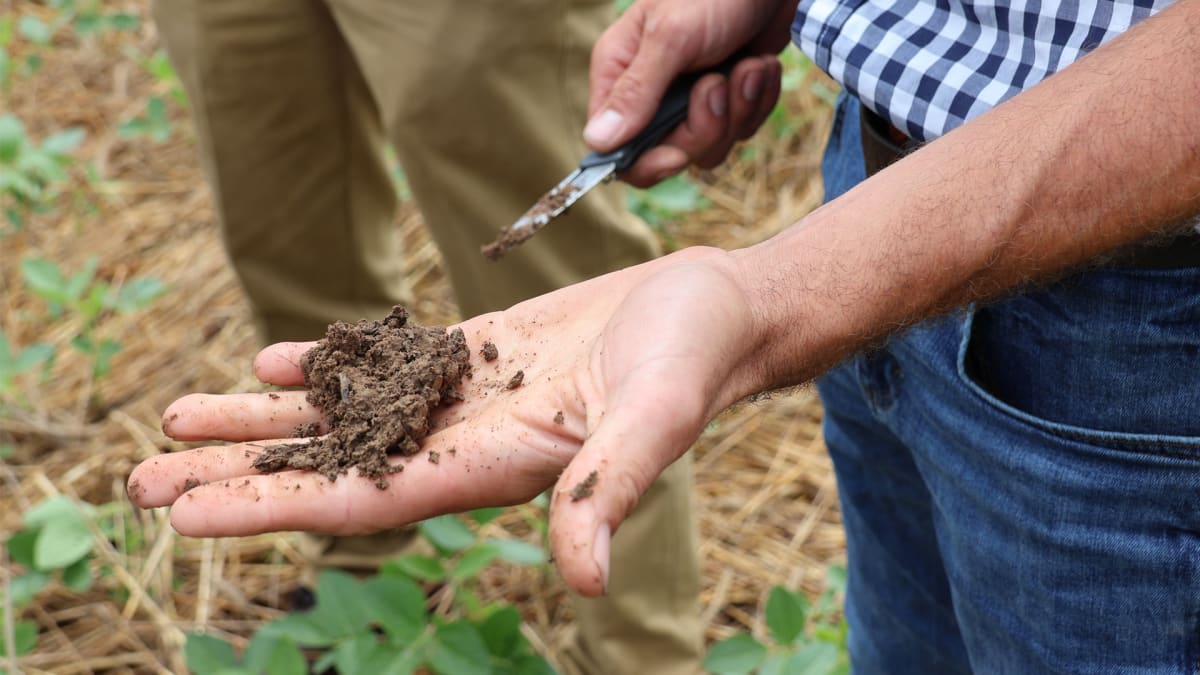
Regenerative Farming Could Save Billions While Healing Soil
A Florida researcher has discovered that just 10 U.S. states have laws incentivizing carbon farming, even though switching to regenerative practices could unlock $250 billion in economic value. As fertilizer prices spike 50%, farmers are finding the climate solution they need has been in the soil all along.
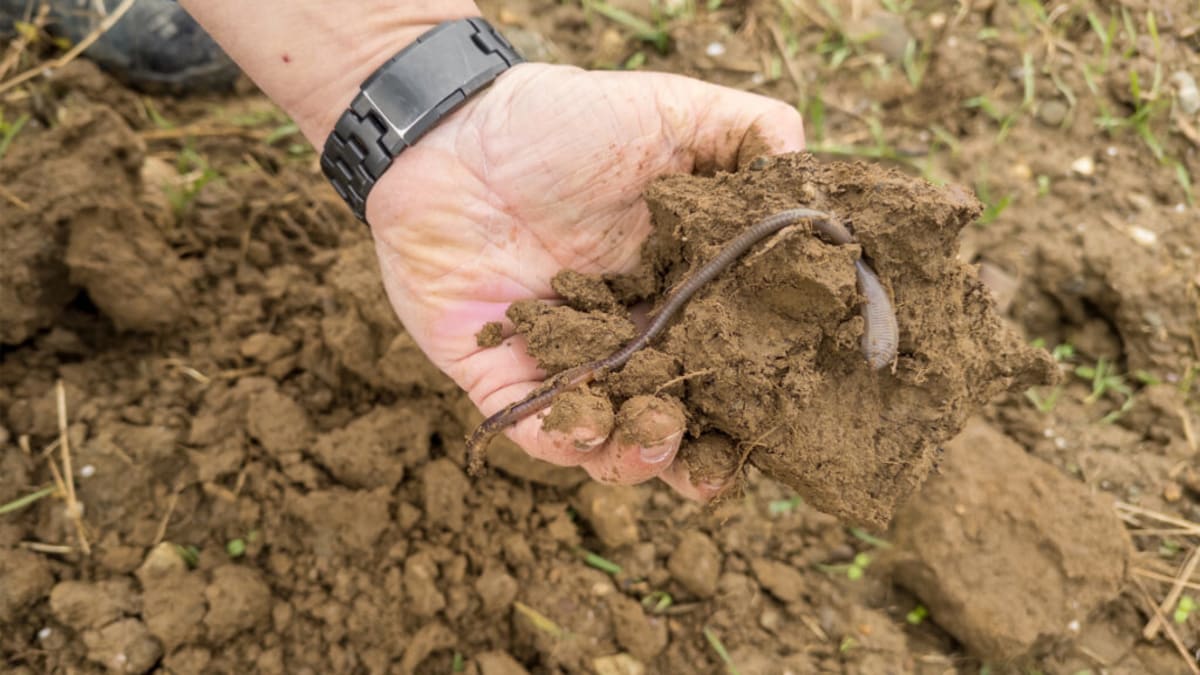
Rock Aboujaoude Jr. grew up watching Florida farmland sink five feet below ground level, the soil consumed by decades of chemical-dependent farming that left it unable to absorb water or sustain crops naturally.
What seemed like a local problem turned out to be a national blind spot. As a Ph.D. student at the University of Florida, Aboujaoude discovered that among hundreds of agricultural bills across all 50 states, only 10 actually tie financial incentives to measurable soil health outcomes.
Meanwhile, the global market for regenerative farming is racing toward $18.3 billion by 2030, with Europe and Australia leading the charge. The European Union adopted verified carbon farming regulations in December 2024, while Australia has contracted over 200 million tons of emissions reductions through better land management since 2014.
The timing couldn't be more urgent. Since U.S. and Israeli strikes on Iran began in late February, fertilizer prices have jumped nearly 50% as the Strait of Hormuz remains closed to shipping. About a third of global fertilizer trade passes through that strait, and prices could spike as high as 200% this summer.
Fifty-four agricultural groups have warned the White House of a "generational decline in farm income" as the crisis hits farms already facing three years of falling crop prices and rising bankruptcies.
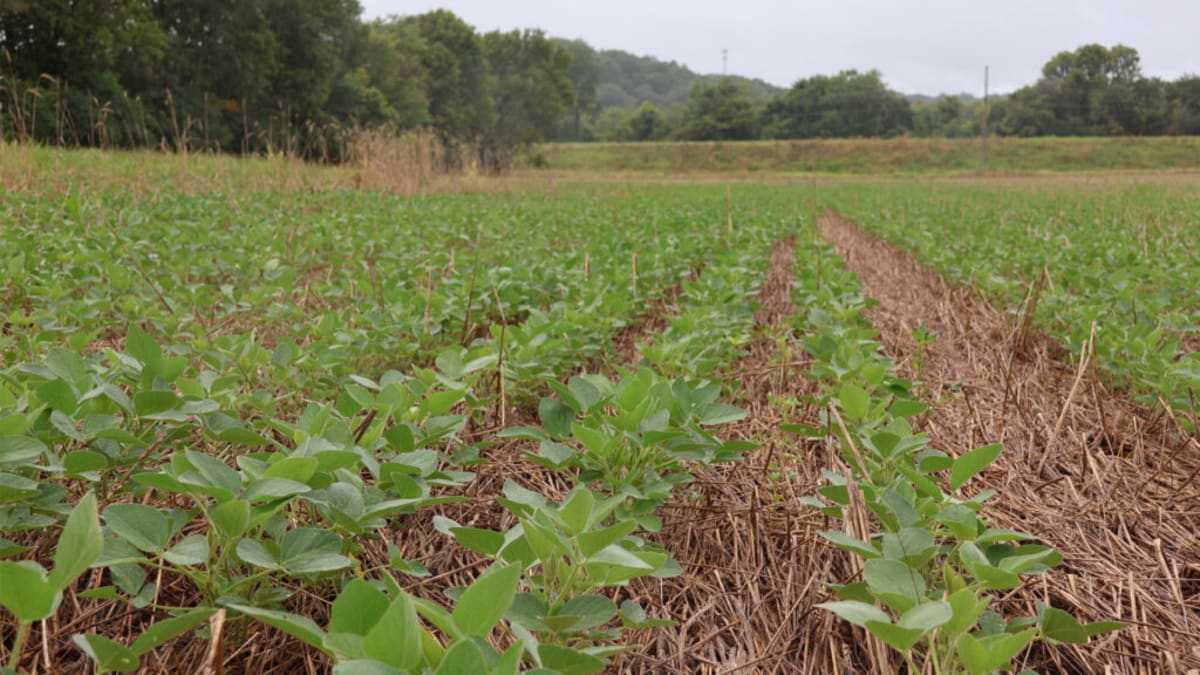
But regenerative practices like cover cropping and no-till farming offer a way forward. These methods rebuild soil fertility naturally, cutting dependence on synthetic inputs that war can price out of reach overnight.
University of Colorado researchers found that American farmers spend half a billion dollars annually on fertilizer just to compensate for ongoing soil fertility loss. About a third of all fertilizer applied to U.S. corn each year goes toward staying in place rather than growing forward.
The Ripple Effect
A 2024 McKinsey analysis found that if 80% of corn and soy acres adopted regenerative practices, it could unlock $250 billion in economic value over the next decade.
The benefits extend far beyond farm economics. Healthier soil means cleaner water, reduced algal blooms, stronger flood resilience, and dramatically lower greenhouse gas emissions from agriculture, which currently accounts for roughly 10% of U.S. emissions.
For Florida specifically, where seagrass die-offs and intensifying storms are directly tied to how farmland is managed upstream, regenerative agriculture addresses multiple crises at once.
The challenge has always been cost. Farmers operating on thin margins face upfront transition costs around $200 per acre, with no conventional insurance safety net to support the switch.
But that calculus is changing fast. When the alternative is watching fertilizer bills consume whatever margin remains, practices that once seemed experimental now look like economic survival.
The science is proven, the economic case is made, and the global market is moving forward with or without American farmers.
What's been missing is the political will to create the incentive structures that make regenerative transition financially viable for the farmers who feed the nation and could help heal the climate while doing it.
More Images

Based on reporting by Google News - Climate Solution
This story was written by BrightWire based on verified news reports.
Spread the positivity!
Share this good news with someone who needs it