Dragon Fruit Boom Helps Indian Farmers Fight Climate Change
Indian farmers are turning to dragon fruit as a climate-smart crop that needs little water, produces for 20 years, and meets rising demand from health-conscious consumers. What started as an exotic import is now a homegrown success story reshaping farms across Gujarat, Karnataka, and Maharashtra.
A bright pink fruit with green spikes is helping Indian farmers adapt to unpredictable weather while feeding the country's growing appetite for healthy food.
Dragon fruit, also called pitaya or "kamalam," arrived in India in the late 1990s as an expensive import from Vietnam and Thailand. Back then, this cactus family member seemed too exotic for Indian soil.
Fast forward to today, and farmers across Gujarat, Karnataka, Maharashtra, Andhra Pradesh, and West Bengal are growing dragon fruit at scale. The shift happened quietly but meaningfully, driven by a perfect match between what the crop offers and what Indian agriculture desperately needs.
The numbers tell a compelling story. Dragon fruit plants need far less water than traditional fruit crops, survive dry conditions without complaint, and keep producing fruit for nearly two decades once established. In regions where erratic rainfall and rising temperatures are making farming harder each year, this resilience matters.
For farmers, it's also about steady returns. Government horticulture programs are now actively promoting dragon fruit cultivation as a high-value crop, recognizing its potential to boost incomes while using fewer resources.
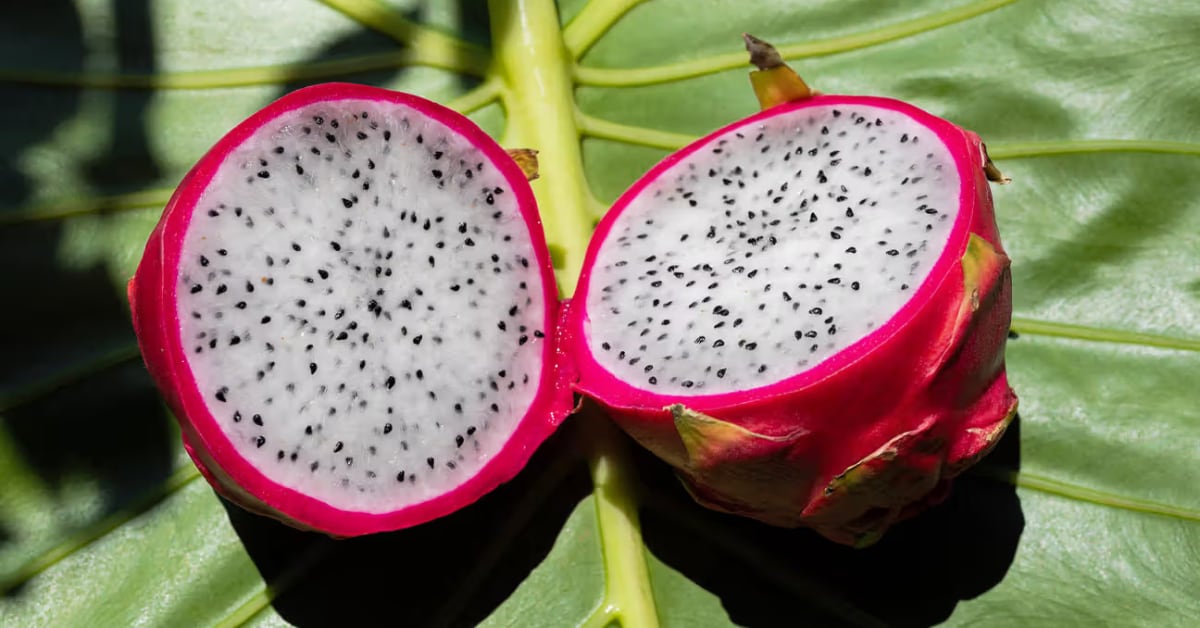
Meanwhile, urban Indians have fallen for the fruit's impressive health benefits. Cut open the pink exterior and you'll find white or magenta flesh dotted with tiny black seeds. The mild, slightly sweet taste sits somewhere between kiwi and pear.
But taste is just the beginning. Dragon fruit packs fiber, vitamin C, magnesium, and powerful antioxidants called flavonoids and betalains that fight inflammation and support immunity. The edible seeds contain omega-3 and omega-9 fatty acids for heart health, while the fruit's prebiotic properties help gut bacteria thrive.
Health-conscious consumers have embraced it enthusiastically. Dragon fruit now appears in smoothie bowls across Instagram, on supermarket shelves in smaller cities, and in post-workout snacks for fitness enthusiasts. Its low calorie count combined with filling fiber makes it popular for weight management.
The Ripple Effect
What makes dragon fruit special isn't just the fruit itself, but what it represents. This story connects dots between climate adaptation, sustainable farming, nutrition awareness, and economic opportunity.
Farmers get a crop that works with India's changing climate instead of fighting it. Consumers get locally grown nutrition without relying on imports. The environment benefits from reduced water use compared to thirstier crops.
Dragon fruit has also opened minds to once-foreign foods like avocados, quinoa, and blueberries. It photographs beautifully, tastes refreshing in Indian summers, and feels modern without being intimidating. That combination of aspiration and accessibility has helped it move from health-store curiosity to mainstream favorite.
The transformation keeps accelerating. More farmers are planting. More consumers are buying. More research confirms the health benefits.
A spiky pink fruit is proving that solutions to modern challenges can be simpler than expected, growing right where they're needed most.
More Images
.png)
%2Fenglish-betterindia%2Fmedia%2Fmedia_files%2F2026%2F05%2F29%2Fdragon-fruit-2026-05-29-11-52-14.png)


Based on reporting by The Better India
This story was written by BrightWire based on verified news reports.
Spread the positivity!
Share this good news with someone who needs it