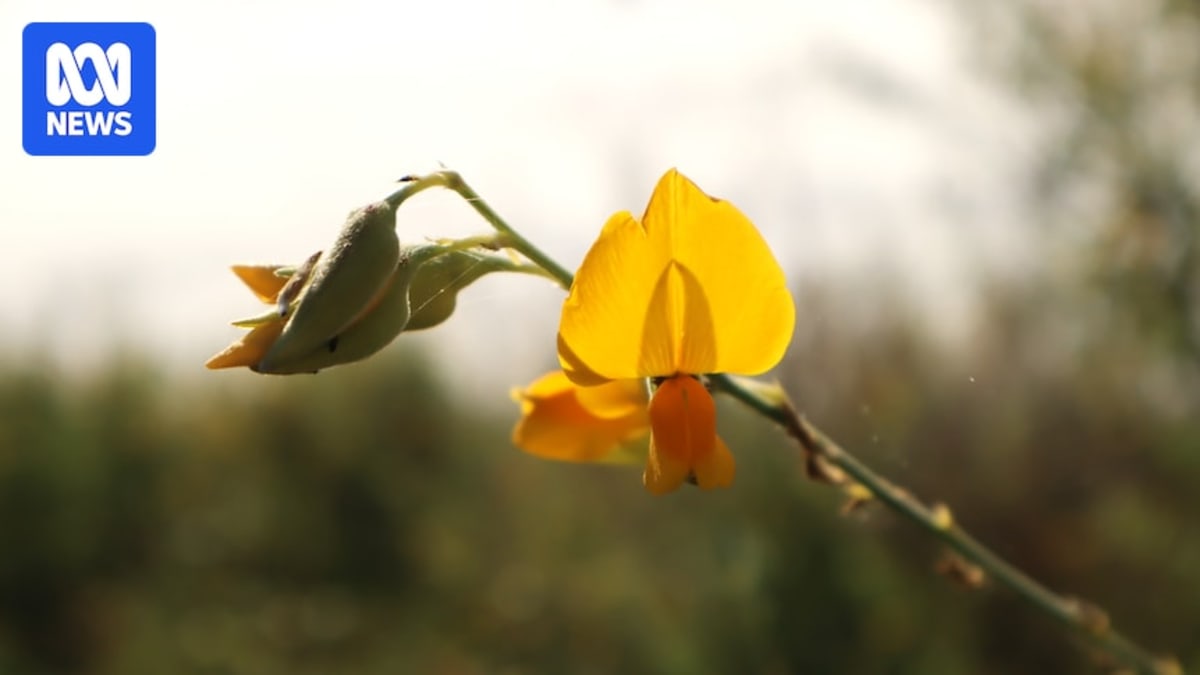
Golden Flower Cuts Fertilizer Costs Up to $400 Per Acre
Australian farmers are slashing fertilizer bills by hundreds of dollars per acre using a vibrant flowering plant that naturally feeds the soil. As global conflicts drive up costs, this ancient crop from India is becoming agriculture's newest money-saving superhero.
When fertilizer prices doubled due to Middle East conflicts, Australian farmers discovered an unexpected ally: a golden-flowered plant that makes its own fertilizer.
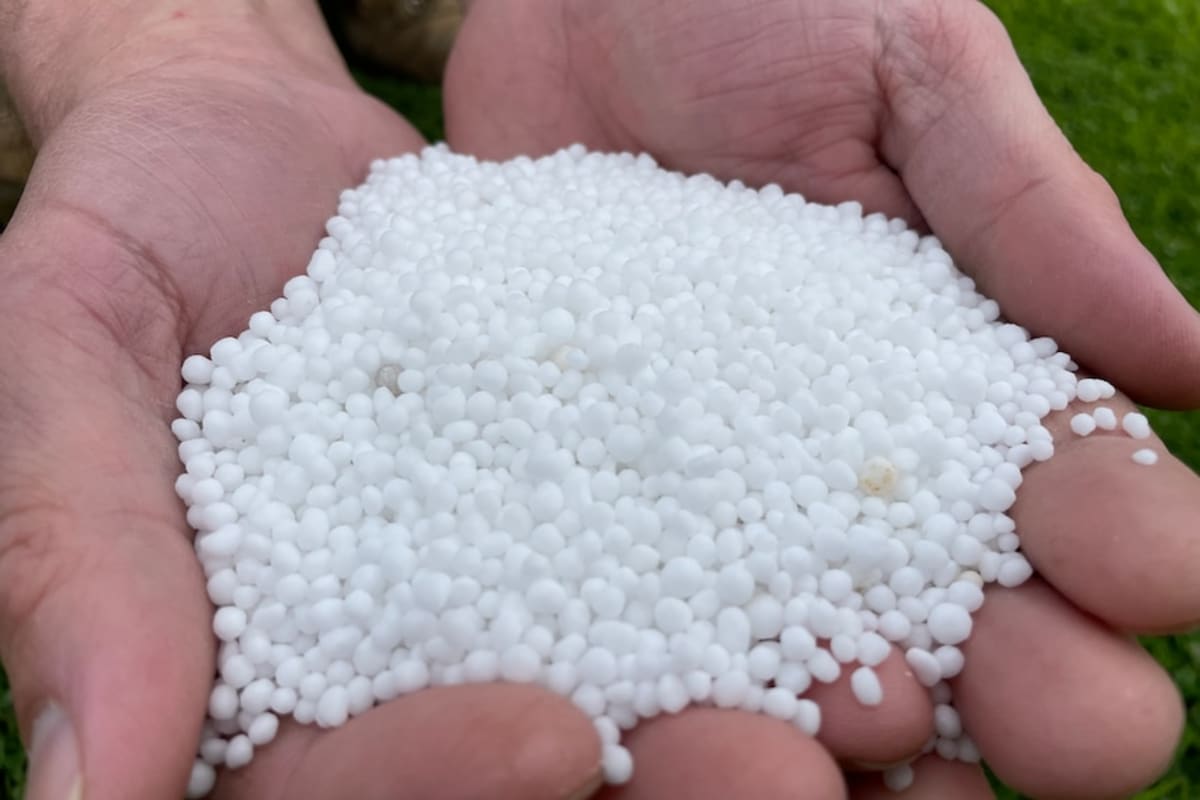
Sunn hemp, a legume with brilliant yellow blooms, is saving farmers more than $400 per hectare by doing what chemical factories charge top dollar for. The plant pulls nitrogen straight from the air and deposits it into the soil, cutting the need for expensive urea fertilizer by up to 25 percent.
Neil Maitland, a sugarcane farmer near Cairns, has been planting sunn hemp between his main crop cycles for several years. The results transformed his bottom line before prices even skyrocketed.
"The urea is the most expensive part of it, and that's even before the prices have gone up double," Maitland said. He still needs other nutrients like phosphorus and potash, but the nitrogen bill has dropped dramatically.
The magic happens underground, where soil bacteria work with the plant's roots to convert atmospheric nitrogen into a form crops can actually use. It's nature's own fertilizer factory, and it costs only the price of seeds.
Cotton farmers in Central Queensland are getting an unexpected bonus. Dr. Paul Grundy from the Department of Primary Industries found that sunn hemp doesn't just feed the soil but also fights a devastating pest called reniform nematodes.
His trial fields started with 3,000 nematodes per 100 grams of soil. After just two and a half months of growing sunn hemp, that number plummeted to 100. The pest normally costs cotton growers up to two bales per hectare, making this a double win.
The plant delivers the equivalent of 220 to 320 kilograms of urea worth of nitrogen just in its leafy tops. Originally from India, sunn hemp has been used worldwide for years but only became available to Australian growers four years ago.
Near Ingham, Lawrence Di Bella is taking the concept further by testing multi-species cover crop combinations. His most successful mix includes sunn hemp alongside cowpea, lablab, and soybean.
"The price of urea is so expensive that we can't actually afford to buy a lot of it," Di Bella said. His trials are measuring carbon buildup, nitrogen cycling, and biodiversity benefits, though he wishes he'd started earlier given current fertilizer costs.
The Ripple Effect
This natural solution arrives at exactly the right moment. As global supply chains strain and conflicts disrupt fertilizer production, farmers no longer need to choose between their budgets and their yields. The knowledge is spreading from farm to farm across Queensland and beyond, with more growers adding sunn hemp to their rotations each season.
Research continues into whether the plant might host certain crop diseases in cooler regions, but in hot areas like Central Queensland, it's already proving itself as both pest fighter and soil feeder.
Farmers are rediscovering what agriculture knew centuries ago: sometimes the best solutions don't come from factories but from working with nature instead of against it.
More Images



Based on reporting by ABC Australia
This story was written by BrightWire based on verified news reports.
Spread the positivity!
Share this good news with someone who needs it