Remote Australian Pools Keep Kids Safe and Healthy
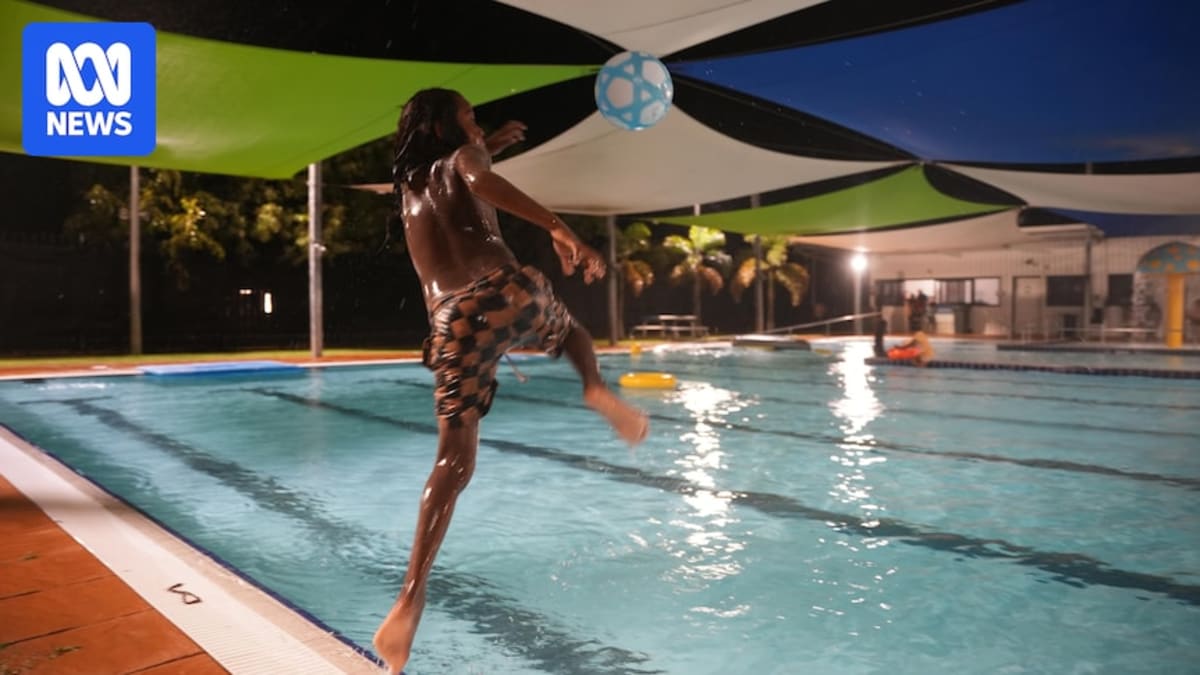
Public swimming pools in Australia's most isolated communities are doing much more than providing fun. They're preventing dangerous diseases, keeping kids out of crocodile-infested waters, and bringing hope to towns where resources are scarce.
When Graeme Pollett first arrived in Balgo, Western Australia, watching a tumbleweed roll across the road, he wondered what he'd gotten himself into. But the pool manager wound up spending five years in this remote desert community, watching a simple swimming pool transform lives.
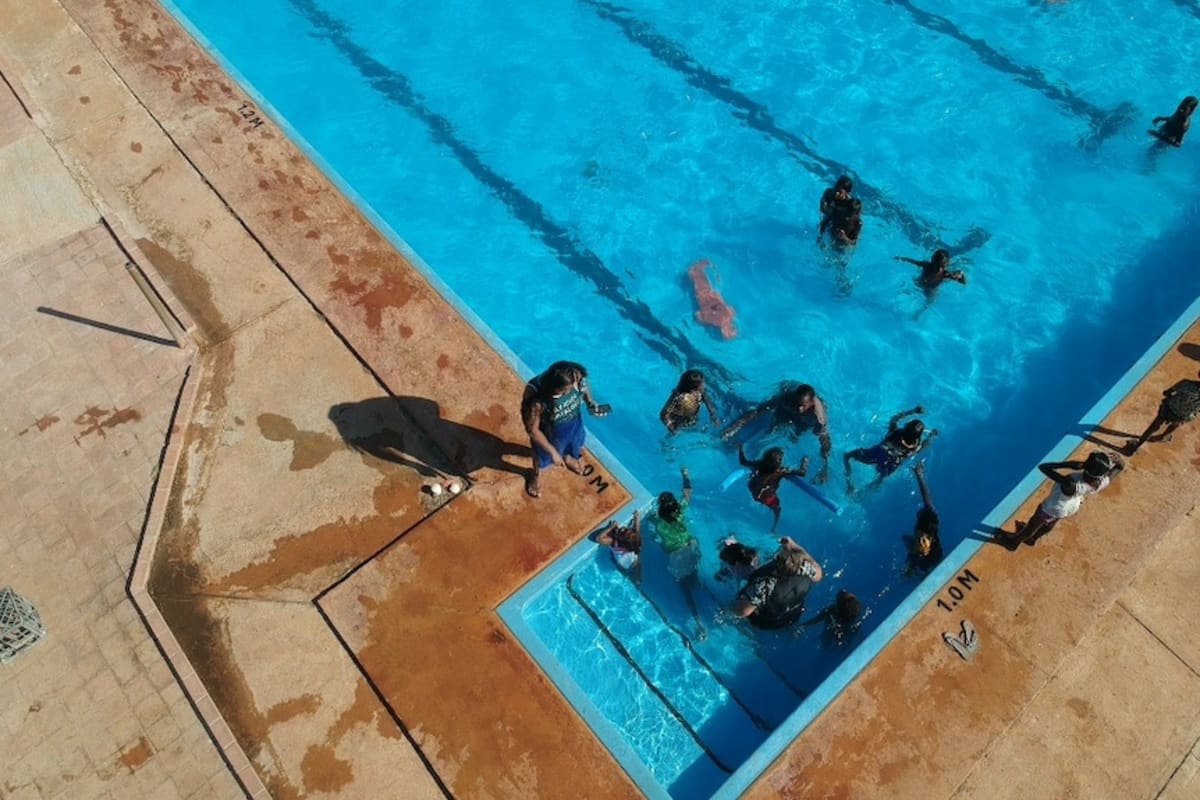
Balgo sits over 3,000 kilometers north of Perth, perched between the Great Sandy and Tanami deserts. For residents there and in similar isolated towns, the public pool isn't just recreation. It's genuinely an oasis.
Now managing the pool in Kalumburu, Australia's northernmost community, Pollett sees firsthand how vital these facilities are. The 400 residents have few other gathering spaces, and the pool provides a safe alternative to flood and crocodile-infested rivers that surround the town.
Mother Philomena Fredericks is relieved the pool "stops the kids from going down to the river," where resident saltwater crocodiles pose a serious threat. Fellow parent Amanda Johnstone loves that her kids stay motivated to attend school because pool entry requires showing that day's school pass.
But the benefits go deeper than safety and attendance. These pools are quietly fighting a health crisis.
The Ripple Effect
In remote Kimberley communities currently battling a diphtheria outbreak, many homes lack functioning hot water systems. Poor housing standards make basic hygiene challenging, leading to skin infections, eye problems, and ear issues that have been completely eradicated in other Western countries.
The chlorinated pool water is changing that equation. "As soon as the kids start getting back to the swimming pool and swimming regularly, those skin conditions pretty much disappear," Pollett explains.
Perth Children's Hospital specialist Dr. Asha Bowen confirmed what pool managers were seeing. Studies show that regular swimming reduces clinic visits for skin and ear infections and decreases antibiotic use in these communities.
Low chlorine concentrations disinfect the skin, reducing bacteria that cause nasty infections. For children who face disproportionate rates of transmissible diseases due to housing inequity and limited healthcare access, this simple intervention makes a real difference.
The pools also enforce behavioral standards, requiring conflicts to be left at the gate. Families gather under watchful eyes while children play together, creating rare conflict-free spaces in communities facing multiple challenges.
Royal Life Saving administers these remote pools, bringing physical health benefits, mental wellness support, and social connection to towns where all three can be hard to find.
More Images



Based on reporting by ABC Australia
This story was written by BrightWire based on verified news reports.
Spread the positivity!
Share this good news with someone who needs it