Remote Australian Teens Fish, Sing, and Connect to Culture
In one of Australia's most isolated communities, Indigenous youth are learning traditional fishing and spearfishing while finding joy and purpose. The program keeps teens engaged and out of trouble by connecting them to their heritage.
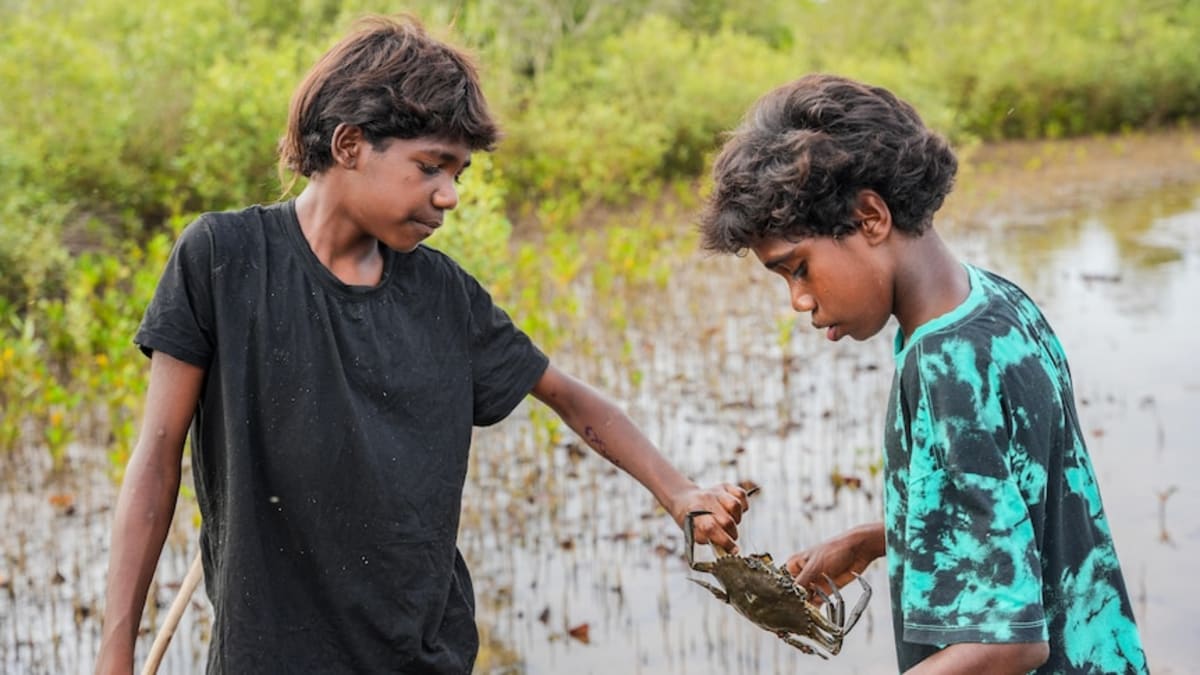
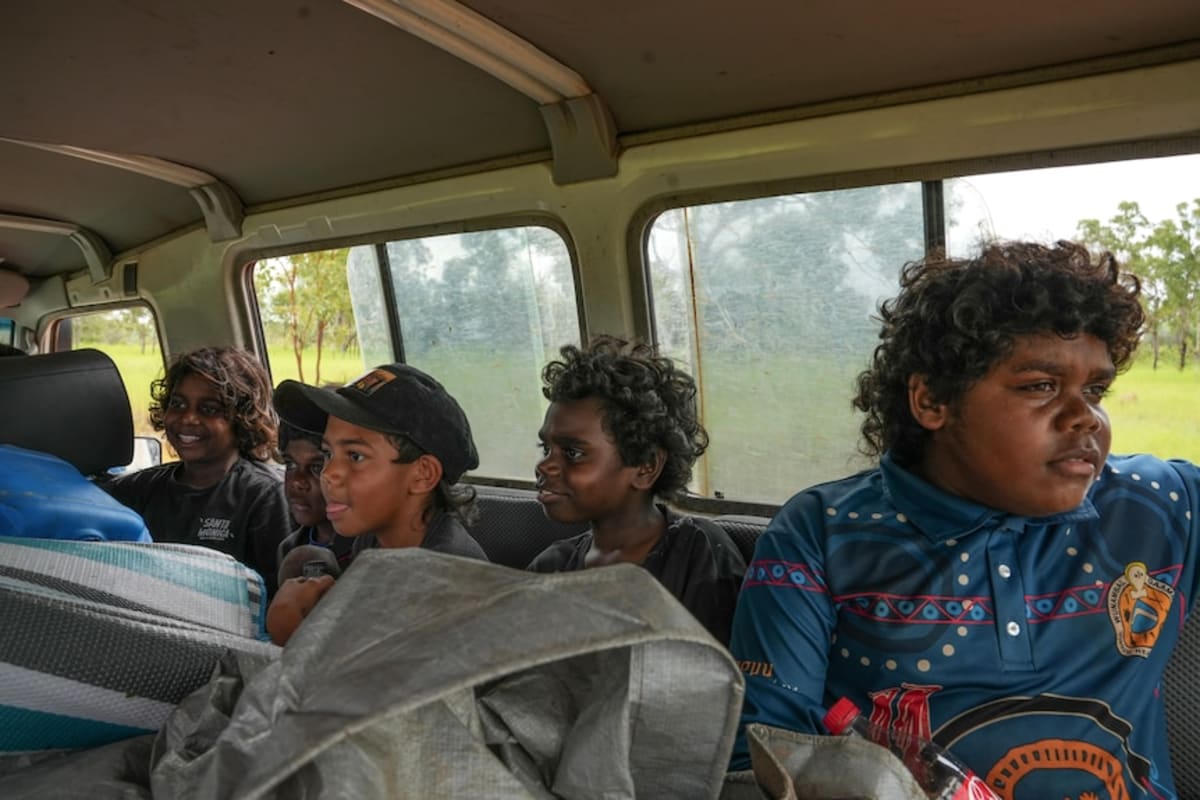
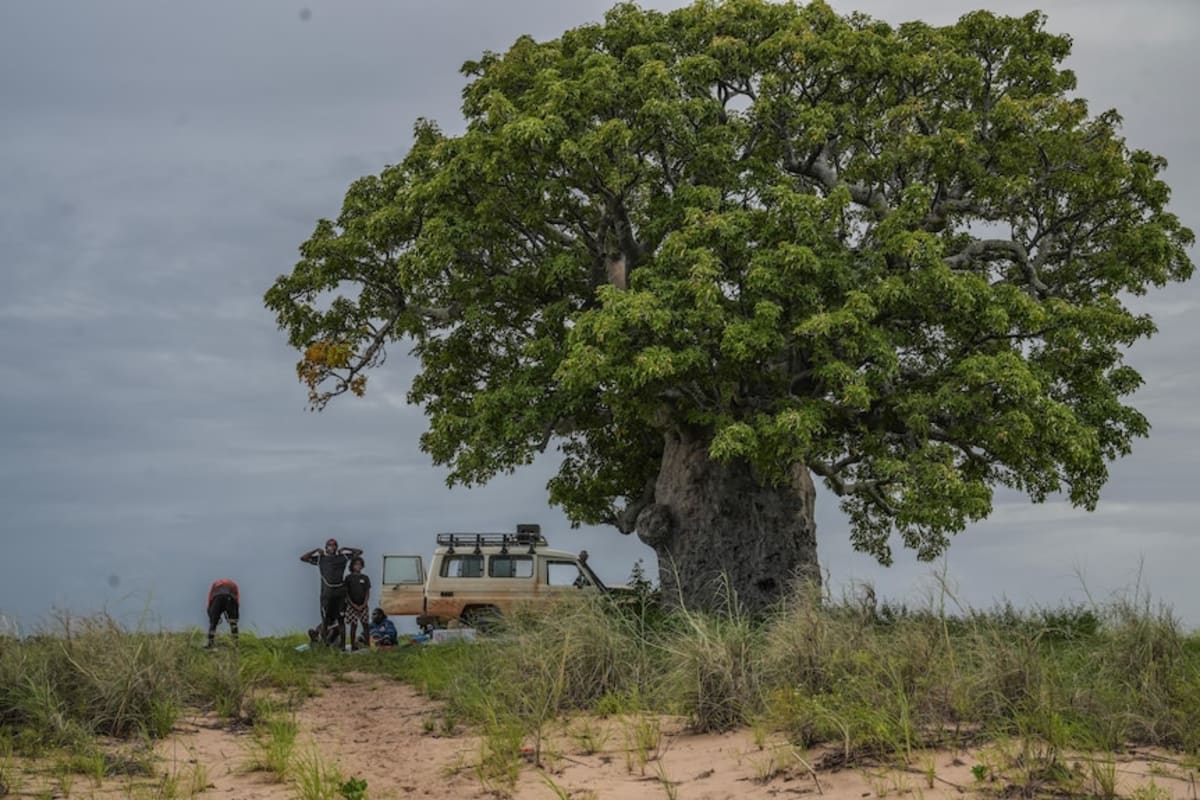
In Kalumburu, a remote community 2,000 kilometers north of Perth, a four-wheel drive bounces down a dirt road carrying boys singing Backstreet Boys at the top of their lungs. They're heading to the coast to fish, spearfish, and catch mud crabs the way their fathers taught them.
This is no ordinary after-school program. The Kalumburu Aboriginal Corporation runs weekly outings that take Indigenous youth onto their ancestral lands to practice traditional skills and stay connected to culture.
Home to roughly 300 residents and accessible only by air during wet season, Kalumburu faces unique challenges. Young people can feel isolated and bored, sometimes leading to trouble.
Youth worker Karen Mangolamara leads the Thursday boys' group and Wednesday girls' group based on what the kids want to do. Activities range from fishing expeditions to swimming holes to movie nights.
Twelve-year-old Trevor says spearfishing makes him feel "good and happy." He jokes with friends while searching for mud crabs in the mangroves, passing down knowledge his father shared with him.
Sixteen-year-old Gordon, one of the older participants, enjoys teaching younger boys traditional techniques. "I like hanging with the boys and going fishing," he says.
The girls' group visits swimming spots like Turtle Gallery, where they splash in the water and explore the scrub. Youth coordinator Kimberley Rose French says the quieter energy gives girls space to "bond, feel free and connect with nature."
French notes the program helps lower youth crime rates. "Some of the girls are on the juvenile justice list," she explains. "We listen to their story and sometimes we get why they break in because they have nothing better to do late at night."
The Ripple Effect: Beyond keeping teens occupied, these outings create lasting change. Young people open up to youth workers about their struggles, finding mentorship and connection. Older teens naturally become teachers, passing traditional knowledge to younger participants and strengthening cultural continuity.
Youth worker Camelia Clement says the joy is contagious. "I like to see all the kids happy and me happy too."
Mangolamara agrees, saying the young people energize her. "I feel more alive around them. You gotta get to know them, keep them safe, eventually they will open up to us."
In a place where isolation could mean disconnection, these weekly trips into country are rebuilding bonds between generations, culture, and community one fishing trip at a time.
More Images

Based on reporting by ABC Australia
This story was written by BrightWire based on verified news reports.
Spread the positivity!
Share this good news with someone who needs it