Remote Cree Community Builds Canada's Fastest Internet
A remote Indigenous community in northern Ontario built its own fiber-optic network that's faster than Starlink and keeps revenue local. The network has already helped save lives during emergencies.
When a young man went missing on the frozen shore of James Bay in February 2024, his mother knew exactly what to do. She sent a Facebook message to Elizabeth Kataquapit, then chief of Fort Albany First Nation, who immediately alerted the community's search and rescue squad through social media.
The team found him before dawn, hypothermic but alive. Just months earlier, this kind of coordinated digital rescue would have been impossible in this remote Cree community 975 kilometers north of Toronto.
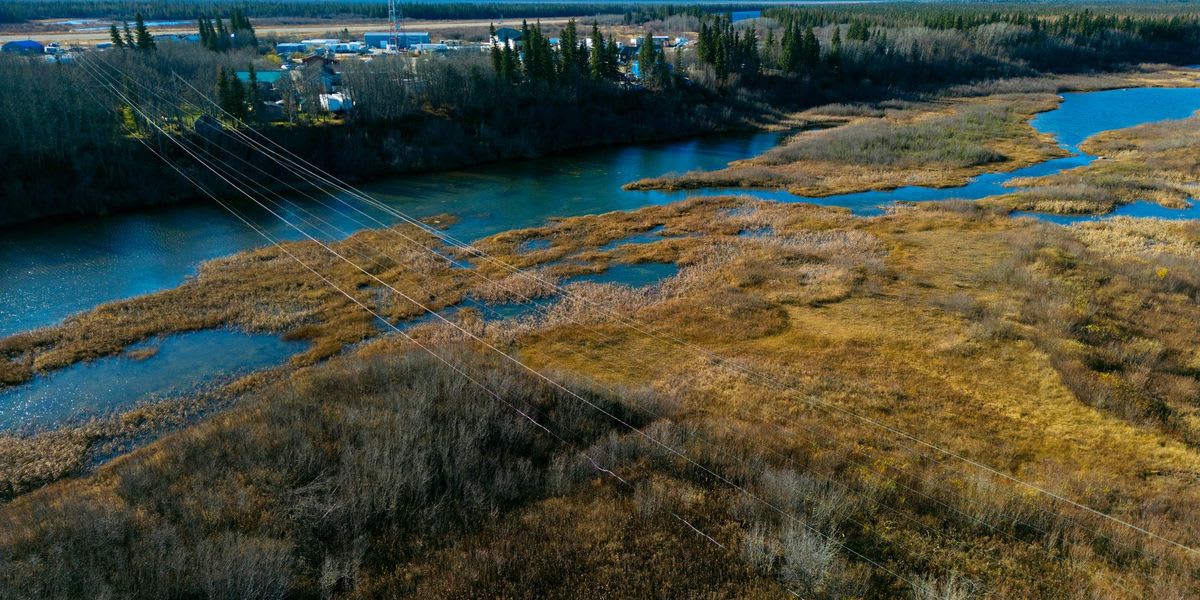
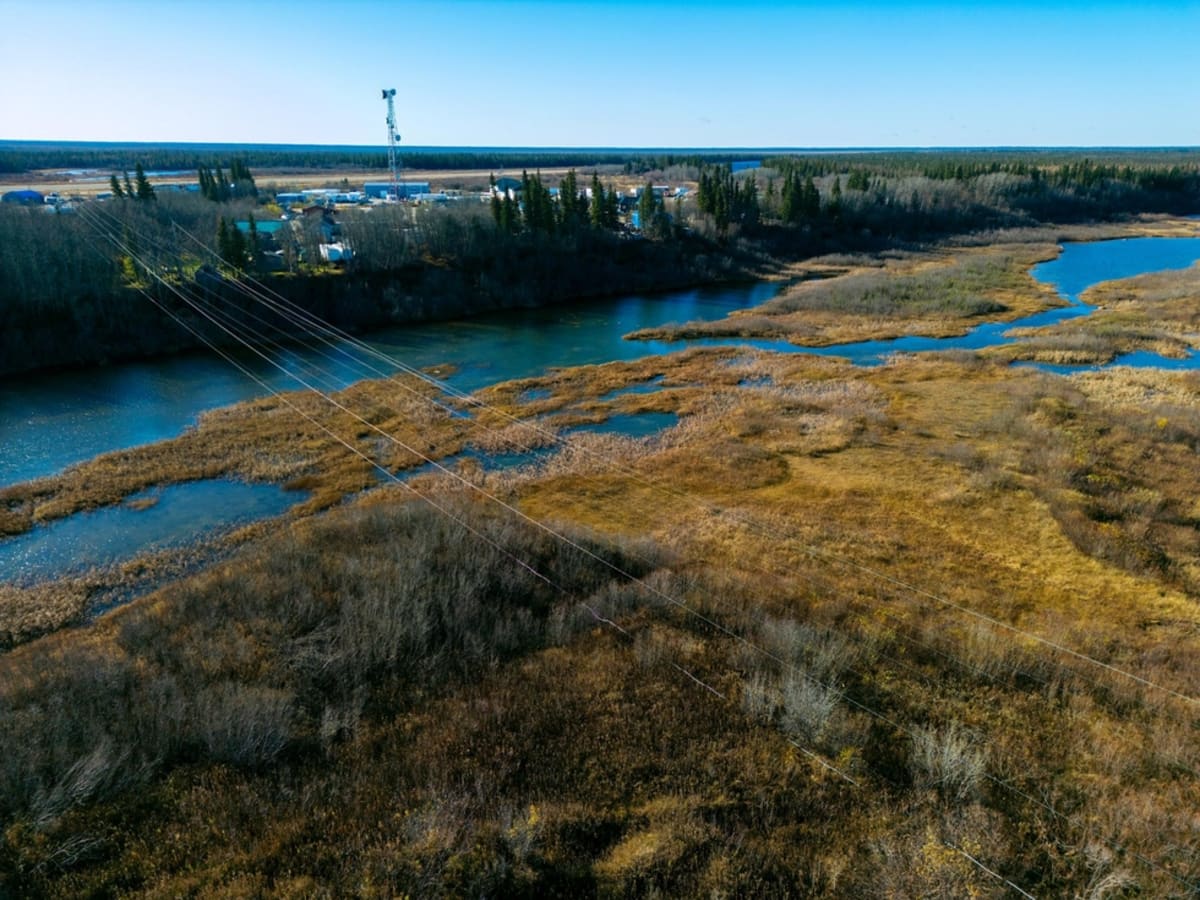
Fort Albany First Nation now runs one of Canada's fastest internet networks. The Western James Bay Telecom Network (WJBTN) built the country's first fully Indigenous-owned fiber-optic system, connecting roughly 1,000 homes and businesses across 300 kilometers of subarctic coast.
The journey wasn't easy. Telecommunications giants saw little profit in serving communities where accessing basic supplies means traveling 500 kilometers to the nearest city. The trip is only possible by land for a few weeks each winter when the frozen tundra becomes passable.
Brian Nakogee, WJBTN's finance officer, had to secure funding from agencies unfamiliar with remote northern life. "The southern way of doing things is very different than how we here in remote areas piece things together," he says.
Before the network, residents relied on slow wireless internet from outside companies. The service crawled along at 3 megabits per second despite promises of 10. Customers paid nearly $7 Canadian for every megabit over their strict data caps. Kataquapit calls it a "turtle."
The transformation started in 2008 when the locally owned power company strung fiber-optic cable alongside electrical lines from Moosonee, the last stop for Ontario's telecom providers. Regional Cree leaders formed WJBTN to provide high-speed telecommunications, but connecting individual homes required years of planning and creative problem-solving.
The Ripple Effect
WJBTN is now part of a growing movement of Indigenous communities taking control of their digital futures. Thirty tribes in the United States operate fiber-to-the-home networks, many launched during COVID. Canada has since created dedicated Indigenous broadband funding to support similar projects.
The Fort Albany network does more than enable emergency rescues. Students can now complete online homework without frustration. Healthcare workers conduct telehealth appointments. Business owners connect with customers beyond their remote location. And all the revenue stays within the First Nations communities the network serves.
For communities across North America struggling with digital isolation, WJBTN offers proof that local ownership works even in the hardest places to reach.
More Images
Based on reporting by IEEE Spectrum
This story was written by BrightWire based on verified news reports.
Spread the positivity!
Share this good news with someone who needs it