Scientists Build Malaria Alert System in Brazilian Amazon
Researchers tracking illegal mining in Brazil's Yanomami territory discovered that every 1% increase in mining triggered a 24% spike in malaria cases. Now they're turning that data into an early warning system that could help eliminate the disease.
A team of scientists just won an award for solving a deadly puzzle in the Amazon, and their discovery is already saving lives.
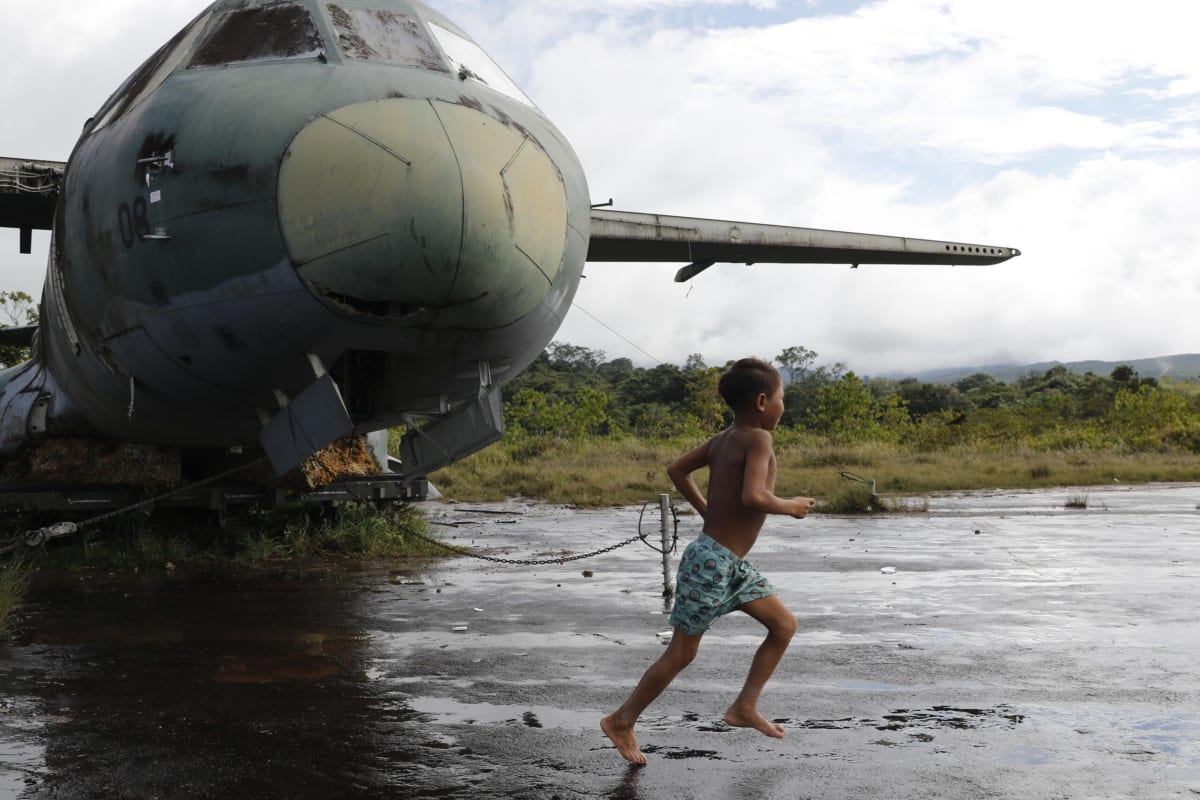
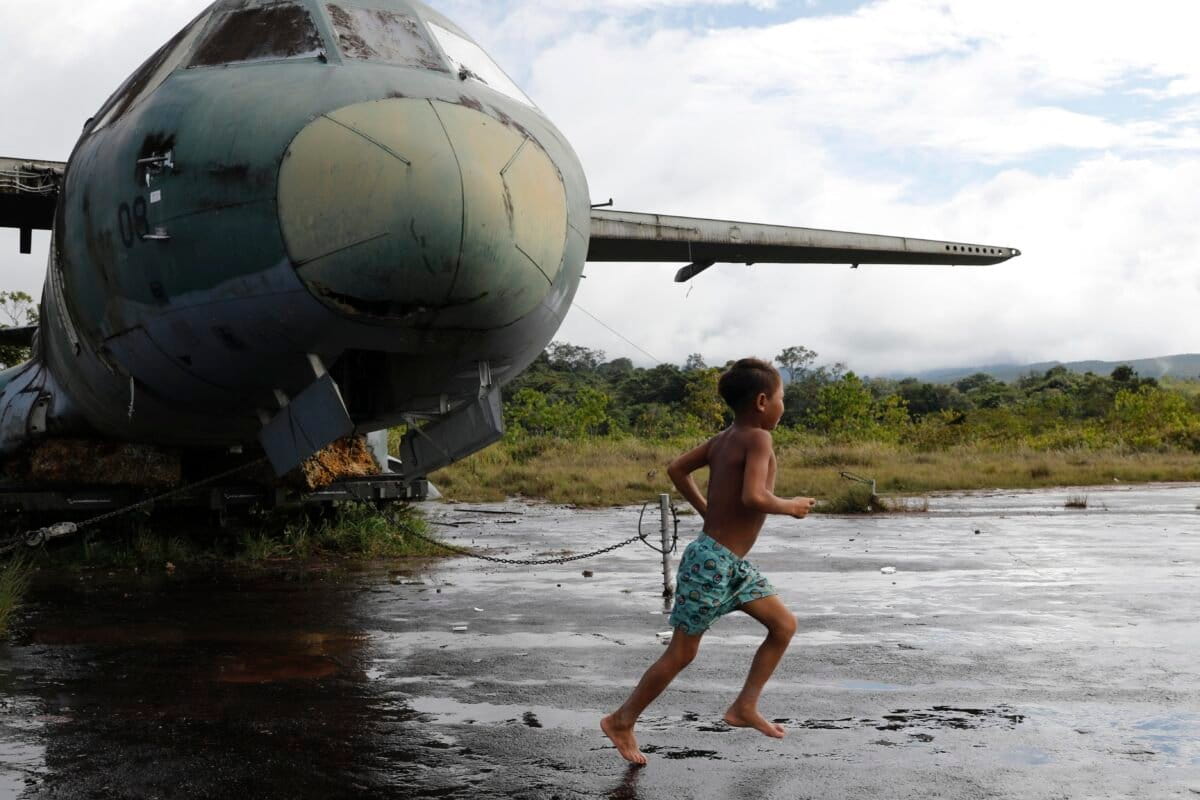
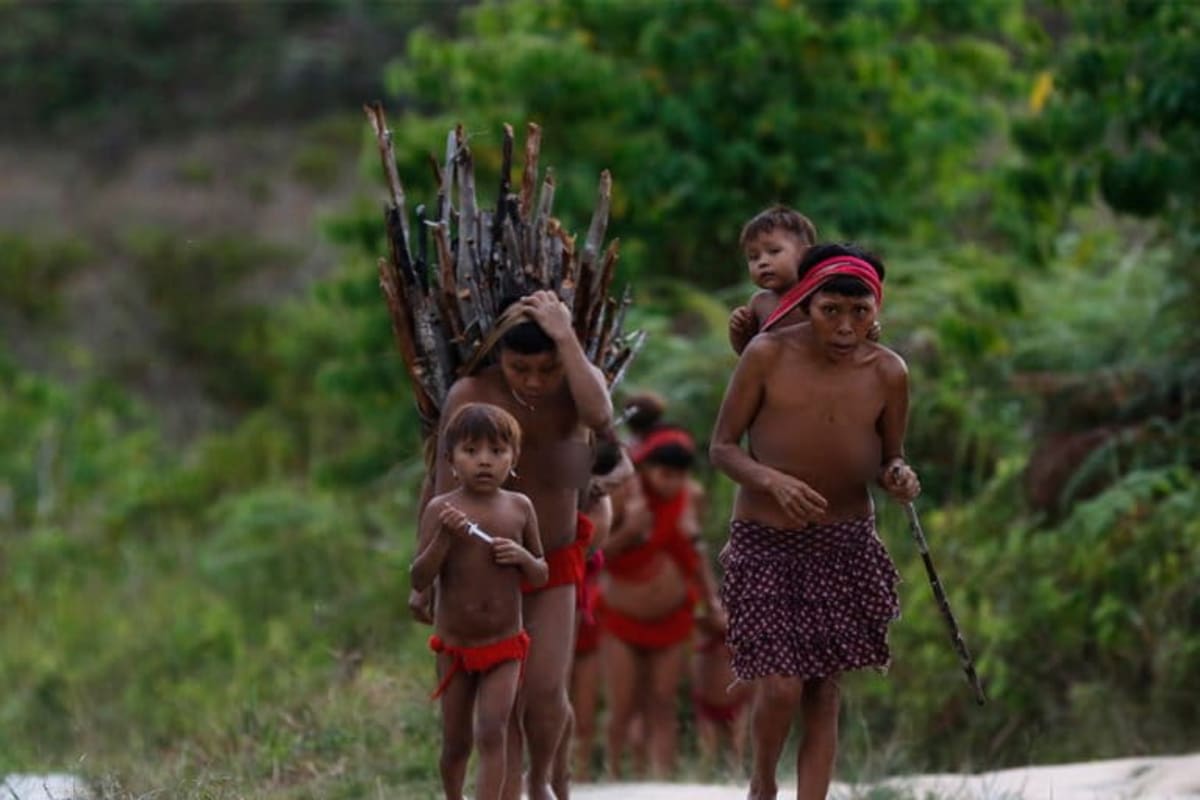
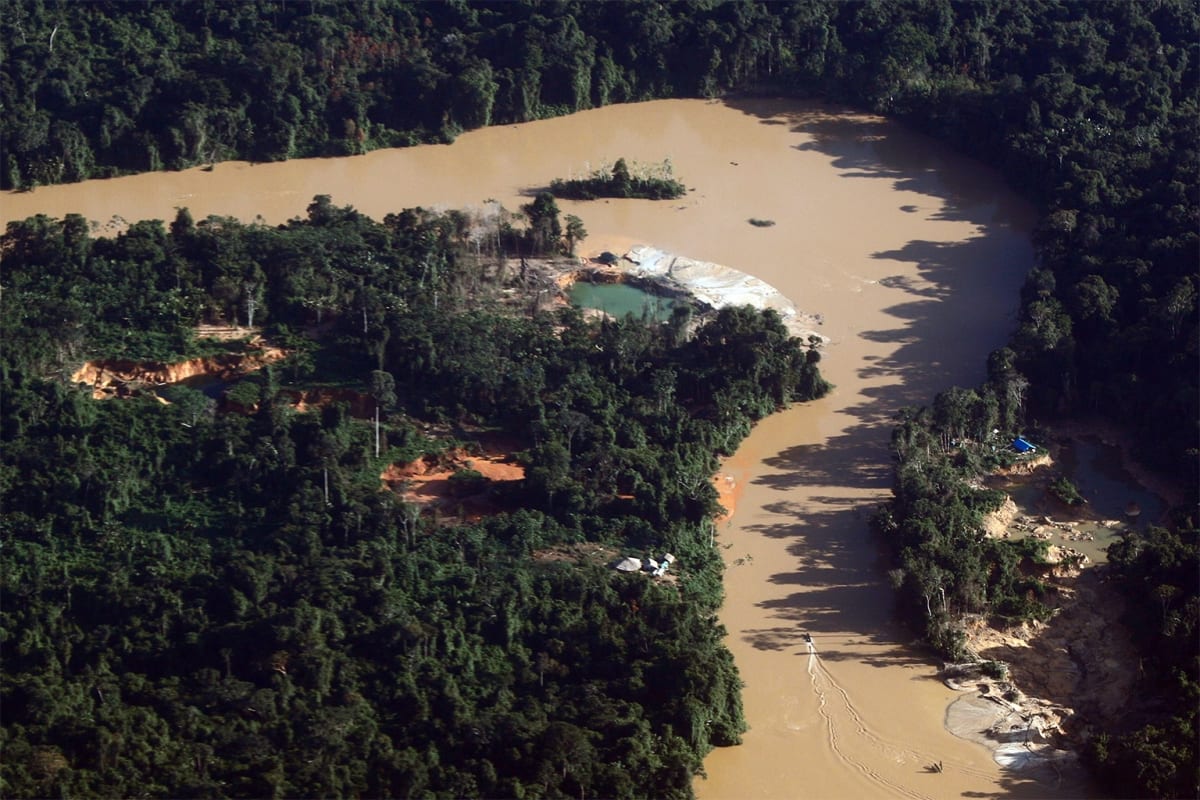
Researchers from Harvard noticed something alarming in Brazil's Yanomami Indigenous Territory during the previous government. When illegal gold miners flooded into this protected land, malaria cases exploded to over 25,000 annually. Children suffered the most.
Led by Dr. Márcia Castro from Harvard's School of Public Health, the team used satellite images and health data to map exactly what was happening. They found that illegal miners weren't just destroying the forest. They were creating the perfect breeding grounds for malaria-carrying mosquitoes in stagnant water pools.
But here's where it gets interesting. The disease spread even to areas without any mining activity. "The miners move around a lot because they have to bring in supplies and machinery," Castro explained. "When you pass through these areas, you're a carrier of the parasite as you walk."
The paths the miners traveled became highways for disease transmission. One mosquito bite along those routes could spread malaria to entire communities.
When Brazil's current government expelled the illegal miners in 2023, the results were dramatic. Mining areas shrank from 4,450 acres to just 320 acres. Malaria cases dropped 55% between 2025 and 2026.
The Ripple Effect
Castro and her team aren't stopping with their research. They're building something even more powerful: an alert system that will warn health workers before outbreaks happen.
The system will track mining activity, deforestation, and climate patterns in real time. When conditions suggest a malaria spike is coming, local health coordinators will get immediate alerts telling them exactly where to focus their efforts.
"If that person takes action where we're pointing out, we'll be wrong every week, because he'll have acted before the problem erupts," Castro said. That's exactly the goal.
The tool relies on new technology from MapBiomas, a conservation research group, that will show new mining sites opening up every single week instead of once a year. The weekly mining alerts should be ready by early next year.
For Waihiri Yanomami, president of a local Indigenous association who contracted malaria 13 times, the progress means everything. "Malaria is cruel," he said. "It causes hot flashes, chills, fever, and weakness. You can't walk or do any kind of exercise."
Around 1,150 Yanomami people have also received a new single-dose medication called tafenoquine that not only treats the disease but reduces the chance of getting sick again.
The alert system could become a model for fighting disease outbreaks anywhere environmental destruction and health crises intersect.
More Images

Based on reporting by Mongabay
This story was written by BrightWire based on verified news reports.
Spread the positivity!
Share this good news with someone who needs it