Removing Rats From Island Restored Ocean Life in Just 1 Year
Scientists removed invasive rats from a Pacific island and watched biodiversity bounce back in just 12 months, not the decades they expected. Fish populations surged 183% and seabirds returned in huge numbers, proving nature can heal faster than we think.
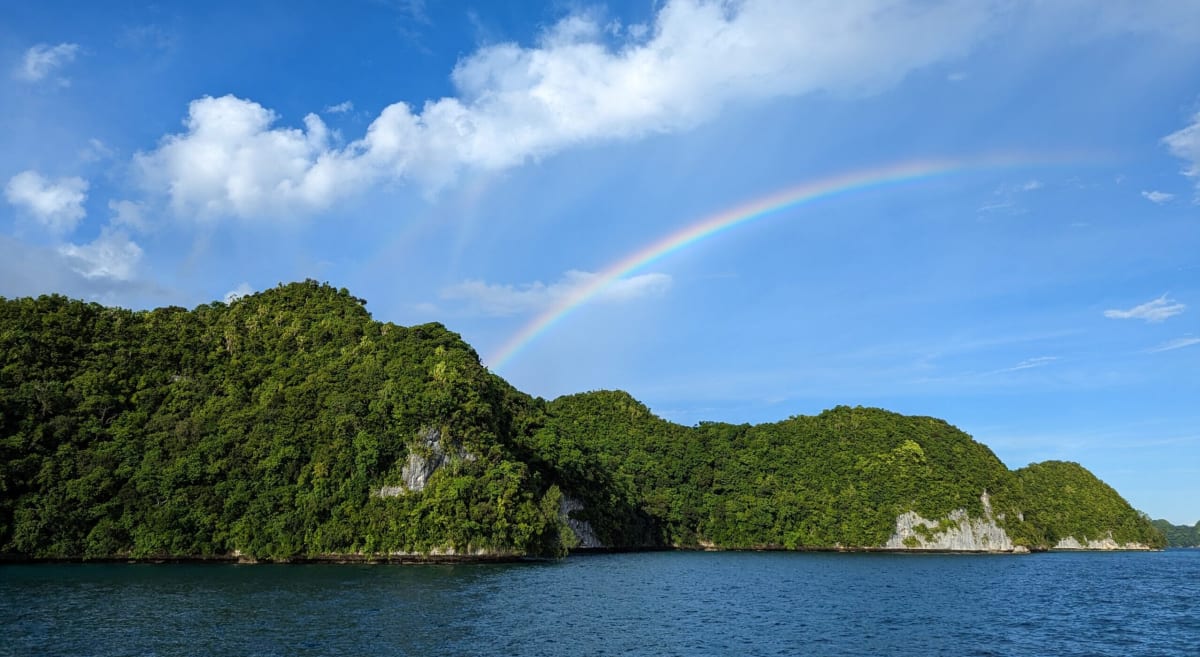
When researchers removed every last rat from a tiny island in Palau, they hoped to see recovery within decades. Instead, the ecosystem came roaring back to life in just one year.
Until recently, rats were so abundant on Ulong Island that campers saw them scurrying around in broad daylight. These nocturnal predators had become such a nuisance that seabirds rarely nested there anymore, with rats devouring eggs and chicks at alarming rates.
Coral Wolf, a conservation scientist at Island Conservation, designed an experiment to measure what would happen if the rats disappeared. Her team removed all rats from Ulong while leaving nearby Ngeruktabel Island untouched as a comparison site.
Before the eradication, researchers collected baseline data on everything from bird calls to soil samples to fish populations in surrounding waters. They returned one year later expecting modest changes at best.
What they found amazed them. Bridled tern calls increased by 286%. Brown noddy and white tern calls jumped by roughly 50%. The birds were coming home.
But the good news didn't stop at the shoreline. Fish biomass in surrounding waters shot up 183% in some areas. Coral health improved. The entire marine ecosystem was responding.
The Ripple Effect
The secret lies in what scientists call the "circular seabird economy." Seabirds fly out to sea, feast on fish, then bring those nutrients back to land through their droppings.
These nutrients enrich island soil and eventually wash into the ocean, creating a feedback loop that benefits both land and sea. Areas with healthy seabird populations show more phytoplankton, higher fish numbers, and stronger coral reefs.
"It's powerful proof that terrestrial action spills over into benefits for surrounding reef communities, which people rely on for their livelihoods," said Nathaniel Hanna Holloway, a marine ecologist at Scripps Oceanography.
The experiment provides the first hard evidence that island ecosystems can rebound far faster than scientists previously believed. Wolf and her team had braced themselves for a long wait, assuming meaningful recovery would take decades.
"Seeing measurable gains after just a year is pretty remarkable and gives us hope for the restoration of the Rock Islands across this island community," Wolf said.
The findings offer a blueprint for similar restoration projects worldwide, proving that removing invasive species can trigger rapid healing across entire ecosystems.
More Images



Based on reporting by Google News - Researchers Find
This story was written by BrightWire based on verified news reports.
Spread the positivity!
Share this good news with someone who needs it