UK Returns Wild Beavers After 400 Years of Extinction
Britain just released its first legally approved wild beavers in centuries, marking a turning point for nature restoration across the UK. These river engineers are already creating wetlands that fight floods, filter water, and bring back wildlife.
After 400 years of absence, wild beavers are officially back in Britain, and they're already rebuilding ecosystems one dam at a time.
Cornwall Wildlife Trust made history in February 2024 with the first licensed wild beaver release in England. The Eurasian beavers, once hunted to extinction, now have legal protection to return to British rivers following successful trials that proved these animals are nature's ultimate problem solvers.
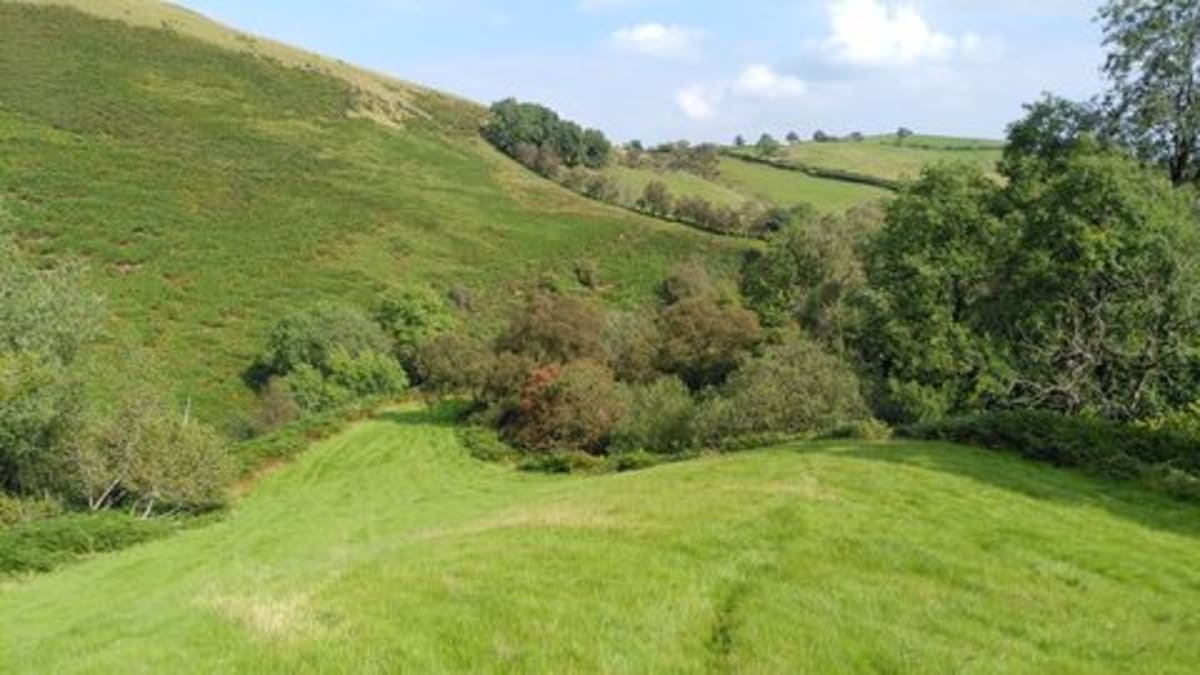
The results have been remarkable. Where beavers build their dams, wetlands spring up naturally. These new habitats slow down rushing water during storms, reducing flood risk for downstream communities. The ponds filter out pollutants, improving water quality without expensive treatment plants. Wet soils created by beaver activity even lock away carbon, helping fight climate change.
But the benefits don't stop there. Fish, birds, amphibians, and countless insects thrive in the varied landscapes beavers create. Devon Wildlife Trust's pioneering River Otter project showed that people and beavers can coexist successfully when given proper support and management systems.
The beaver comeback is part of a larger rewilding movement gaining momentum across the UK. Wildlife Trusts are now supporting over 20 beaver reintroduction proposals nationwide, working with partners including Beaver Trust, Forestry England, and the National Trust.
England and Wales have followed Scotland's lead in giving legal protection to these industrious animals. While releasing new beavers still requires a license, the systems are now in place to make it happen.
The Ripple Effect
The beaver's return signals something bigger. Britain is embracing a bold new approach to nature recovery called rewilding, where ecosystems are given the tools to heal themselves rather than requiring constant human management.
Beyond beavers, conservation groups are exploring the return of other missing species. European bison now roam Kent's woodlands, creating vital clearings that support hundreds of other species. Researchers are even studying whether shy Eurasian lynx could return to Britain's largest forests, where they would help balance deer populations naturally.
This shift matters because traditional conservation, focused on protecting isolated nature reserves, isn't enough anymore. Wildlife needs connected landscapes where natural processes like grazing, flooding, and predation can shape healthy ecosystems.
The Lawton review, a major government study, confirmed what conservationists suspected: protected areas are too small, too isolated, and too few to reverse wildlife decline on their own. Landscape-scale rewilding offers a solution by letting nature's engineers do the heavy lifting.
Early successes prove the approach works. Bitterns, cranes, and egrets have already returned to restored British wetlands. Now, with beavers back and bison creating woodland diversity, the web of life is reconnecting.
Nature is resilient when given half a chance, and Britain is finally giving it that opportunity.
Based on reporting by Google News - Wildlife Recovery
This story was written by BrightWire based on verified news reports.
Spread the positivity!
Share this good news with someone who needs it