Renewables Hit 50% in Australia, Power Prices Drop 44%
For the first time ever, renewable energy and batteries powered more than half of Australia's grid for an entire quarter, sending wholesale electricity prices tumbling 44%. The milestone could mean relief for household energy bills later this year.
Australians just witnessed a historic turning point in their energy future, and it's bringing the kind of news that might actually make people smile when they open their power bills.
Renewable energy and large batteries powered more than 50% of eastern Australia's electricity grid for the first time ever during the final three months of 2024. The milestone sent wholesale power prices plunging to $39 per megawatt-hour, down 44% from the same period a year earlier.
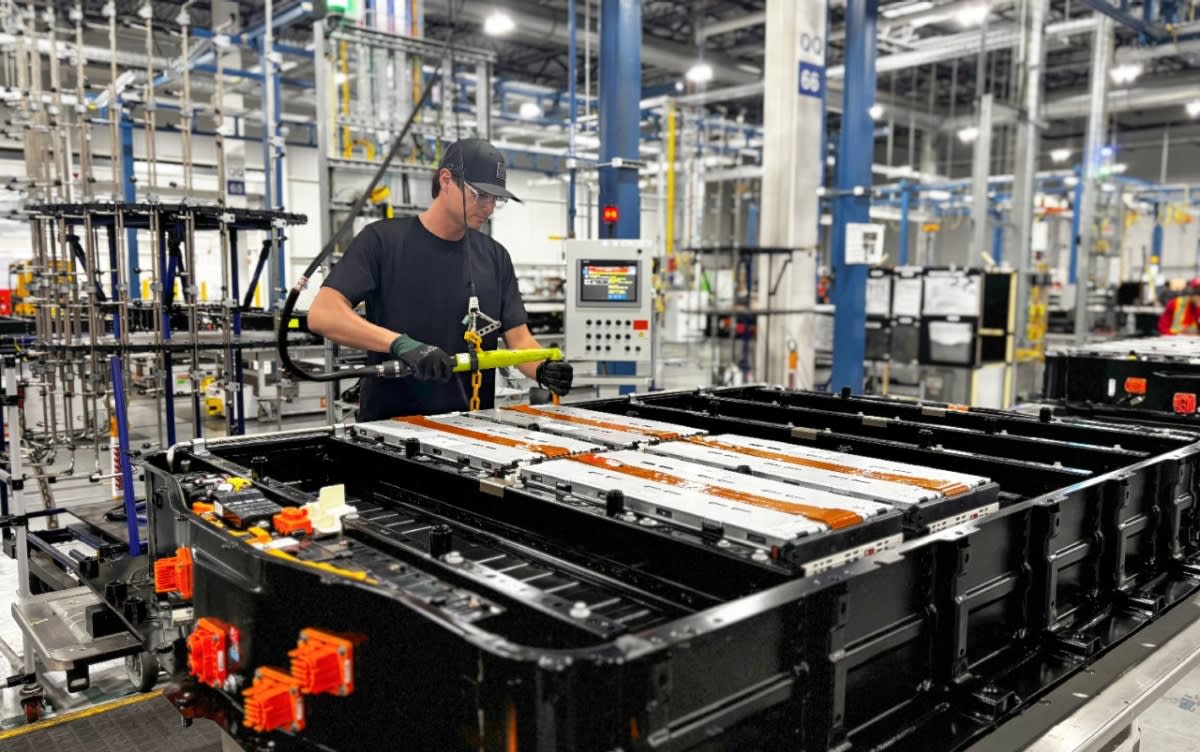
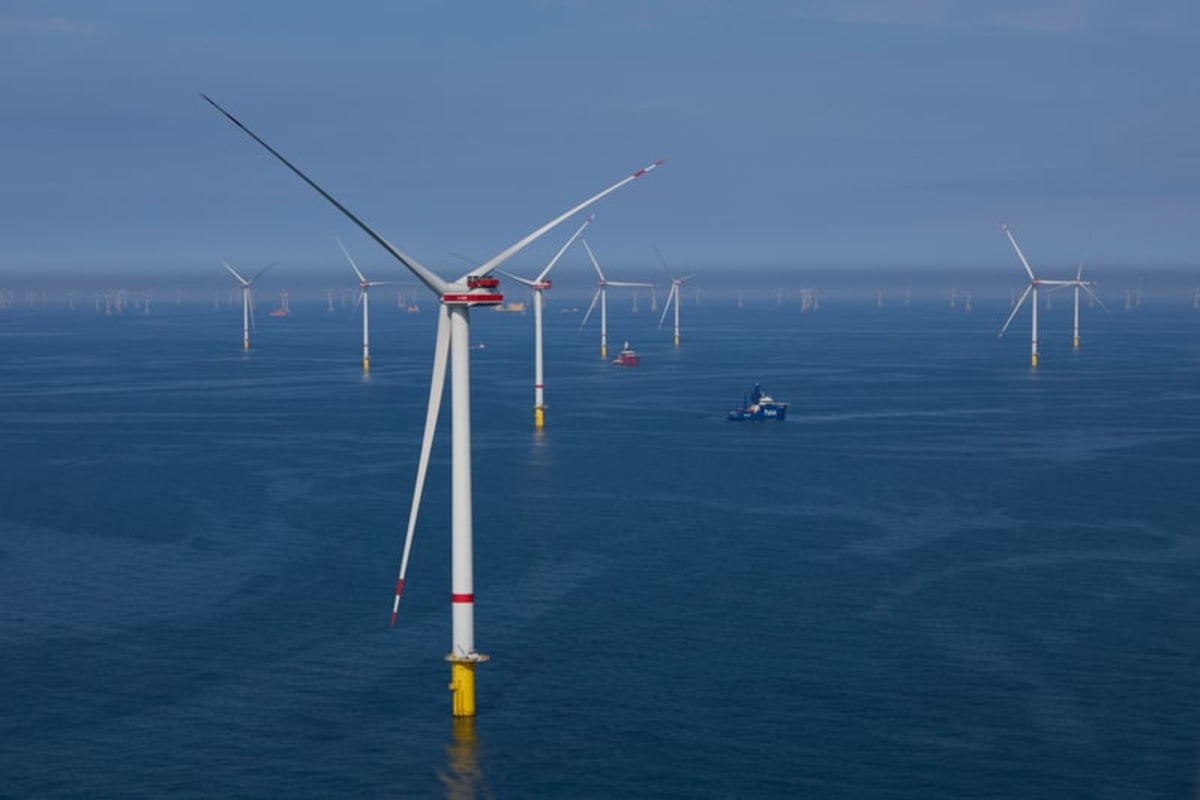
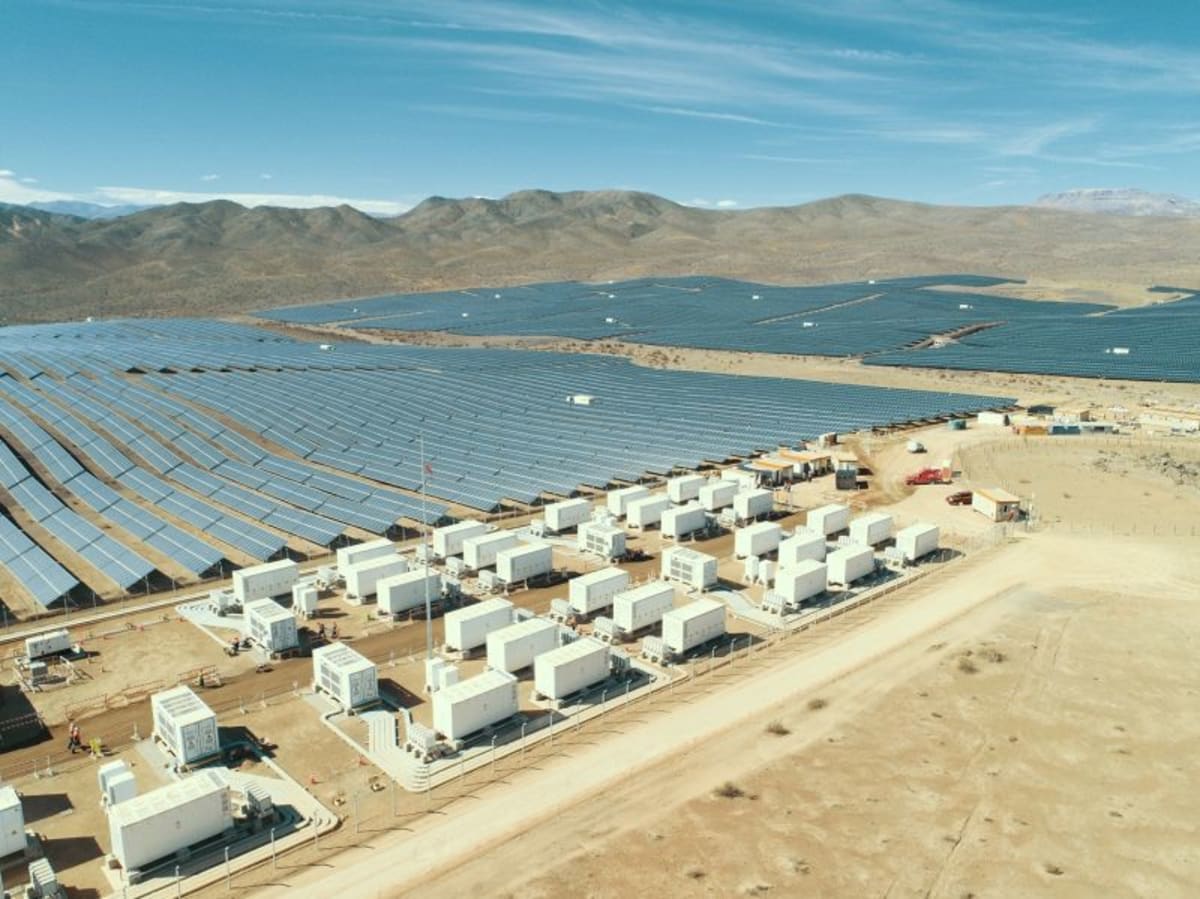
Coal hit its lowest-ever seasonal share of the energy mix, while gas dropped to levels not seen since 2000. The shift didn't happen by accident. Years of steady investment in wind farms, solar panels, and battery storage are finally paying off in a big way.
"This is a landmark moment for the national electricity market," said Violette Mouchaileh from the Australian Energy Market Operator. The lower prices prove that adding more clean energy actually reduces the need to burn expensive coal and gas.
The timing couldn't be better for Australian households. Regulators use wholesale costs to set the maximum prices retailers can charge customers, and they make that decision in March. With the government ending its $75 quarterly energy rebates, these falling wholesale prices could help cushion the blow.
The benefits are already spreading beyond immediate price drops. Forward contracts for 2027 power supply have fallen about 20% in New South Wales, signaling that businesses and retailers expect the good news to continue.
The Ripple Effect
The renewable energy surge is creating unexpected advantages across the system. Tasmania's hydroelectric dams are sitting at 10-year highs for water storage, giving the grid extra backup power when demand spikes. On Australia's hottest days, rooftop solar has been delivering strong power output precisely when people need their air conditioners most.
Lisa Zembrodt from Schneider Electric, which advises Australian businesses on energy, said the reliability of renewables during extreme heat has helped control price spikes. "As we look ahead, there is some comfort that renewables are delivering as they are meant to," she noted.
The grid still needs coal and gas plants for backup, especially during evening peaks when solar drops off and demand soars. Last week proved the point when Victoria's coal fleet helped meet the highest electricity demand levels the grid has ever seen during a scorching heatwave.
But the December quarter results show the direction is clear. More renewables mean lower prices and a cleaner grid, even as Australia continues building the storage and backup capacity needed to complete the transition.
Australia's energy transformation is no longer just a promise on paper—it's happening in real time, one sunny panel and windy turbine at a time.
More Images




Based on reporting by Google: renewable energy record
This story was written by BrightWire based on verified news reports.
Spread the positivity!
Share this good news with someone who needs it