Rescued Lynx Lumi Beats Seizures After 24/7 Care
A baby lynx named Lumi survived a dog attack, severe head trauma, and life-threatening seizures thanks to Wildlife Haven staff who slept at the centre for weeks to save her. Now seizure-free for over two months, she's preparing for a new role teaching people about wildlife conservation.
📺 Watch the full story above
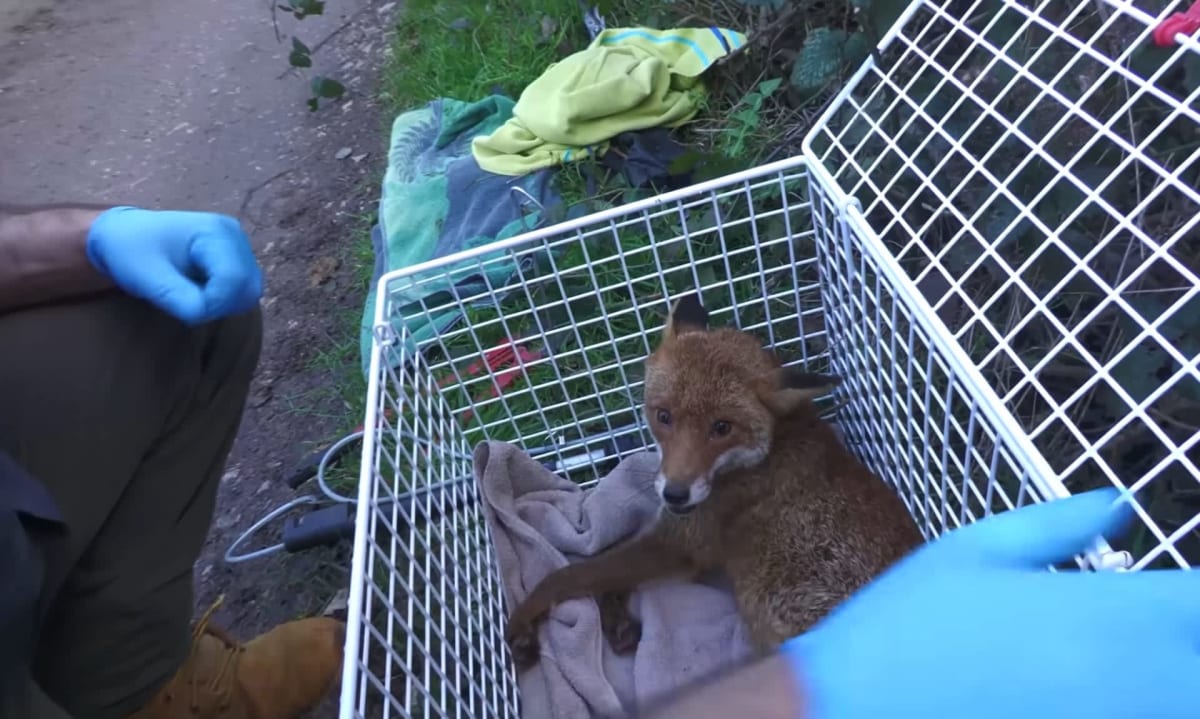
When a tiny lynx cub arrived at Wildlife Haven Rehabilitation Centre last August, orphaned and injured from a dog attack that killed her mother, staff had no idea she'd become their most challenging patient yet.
The team at the Manitoba centre quickly discovered Lumi had suffered a severe eye injury in the attack. Executive Director Zoe Nakata knew immediately the young lynx could never survive in the wild, so they gave her a permanent name.
Then Lumi's condition took a frightening turn. She began having seizures, and suddenly needed someone watching her every single hour of every day.
"My staff was sleeping at the centre because she was on seizure watch 24 hours a day," Nakata says. For weeks, the dedicated team never left Lumi's side, adjusting medications and monitoring her constantly until they finally stabilized her condition.
But the mystery remained: what was causing the seizures? To find answers, they transported Lumi all the way to the Ontario Veterinary College of Medicine for an MRI, since Manitoba doesn't have that capability for large wildlife.
The scan revealed the truth. The same head trauma that damaged Lumi's eye had triggered something called trauma-induced epilepsy.
Sunny's Take
Two months seizure-free and counting, Lumi is now thriving. The spunky lynx has transformed from a critically injured orphan into a symbol of what's possible when people refuse to give up.
Nakata hopes Lumi will eventually move to Assiniboine Park Zoo as an ambassador animal, where she can help visitors understand lynx and why protecting wildlife matters. It's the perfect second chapter for a fighter who beat the odds.
Meanwhile, Wildlife Haven keeps doing what it does best. This winter alone, they've treated snowy owls with broken wings, otters, and even a pelican.
Nakata points out that 93 to 96 percent of their cases stem from human activity like car strikes and unsecured dogs. "We believe it's our responsibility to try to remediate where we can," she explains.
The centre is hosting its sixth annual Art for Wildlife Auction starting February 13, featuring original artwork inspired by patients like Lumi. Every dollar helps give injured animals the round-the-clock care that saved one very special lynx.
Based on reporting by Google News - Wildlife Recovery
This story was written by BrightWire based on verified news reports.
Spread the positivity!
Share this good news with someone who needs it