Researcher With Huntington's Gene Finds Its Location
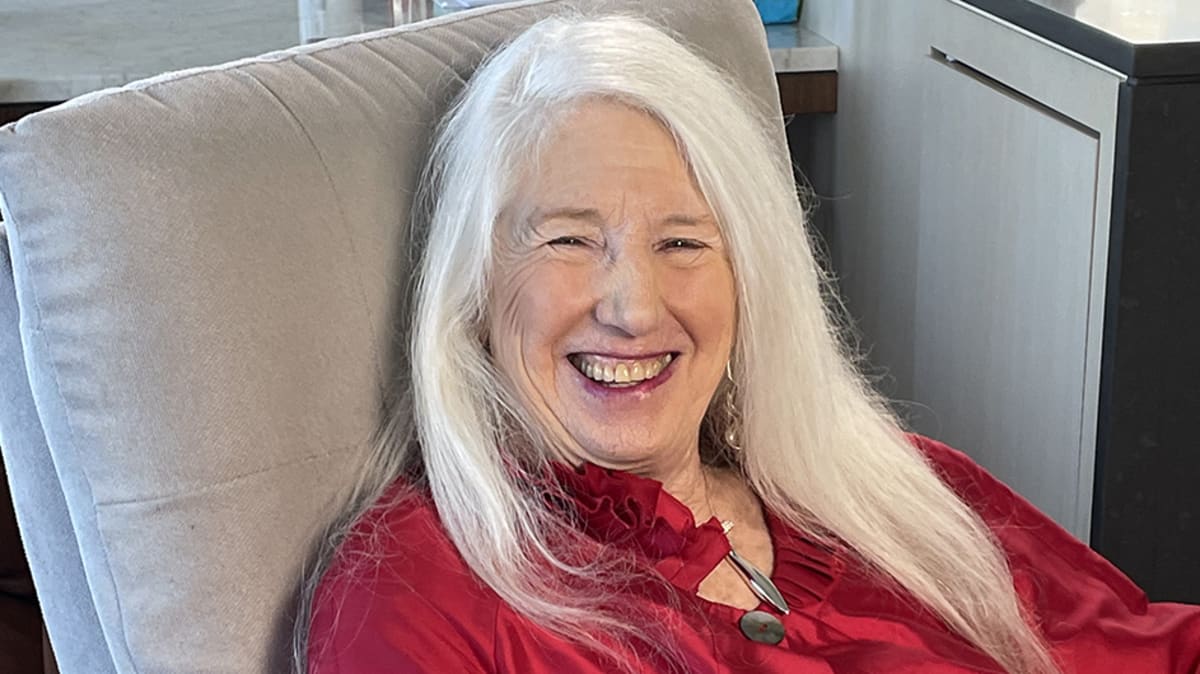
Nancy Wexler had a 50/50 chance of developing the same fatal disease that took her mother. Instead of retreating, she spent decades in Venezuela and helped identify the gene responsible for Huntington's disease.
When Nancy Wexler was 23, her father told her the truth about her mother's mysterious illness: Huntington's disease, a fatal inherited condition that destroys brain cells. That meant Wexler herself had a coin flip's chance of developing the same devastating disease.
Most people would have pulled away from such terrifying news. Wexler did the opposite.
She became a neuropsychology professor at Columbia University and devoted her life to finding the gene behind Huntington's disease. Her groundbreaking work in Venezuela became the key to unlocking one of medicine's most pressing mysteries.
In 1979, Wexler traveled to the village of Laguneta in western Venezuela, home to the world's highest concentration of Huntington's families. She returned every year for 22 years with a team of doctors, nurses, and researchers from around the world.
The families welcomed them with open arms. Wexler got to know three generations of the same families, watching healthy children slowly develop symptoms as they grew. Some struggled with simple activities until, one year, they were gone.
"It was heartbreaking," Wexler writes in her new memoir. "What kept me going was the love and bravery of people who were willing to do anything to help find a treatment."
Her team built detailed family trees, collected DNA samples, and tracked people year after year. The Venezuelan families weren't just research subjects to Wexler. They became friends, even family, united in their mission to save future generations.
Why This Inspires
The research Wexler pioneered led directly to identifying the gene responsible for Huntington's disease. That discovery opened doors for genetic testing, better understanding of brain diseases, and ongoing work toward treatments and cures.
Now living with Huntington's disease herself, Wexler has written "My Life, My Science" to honor the Venezuelan families who trusted her with their stories and their hope. Her decades of diaries and research notes tell the story from inside the fight, as both scientist and patient.
The families in Venezuela showed up year after year, knowing they might not benefit from the research themselves but believing their children and grandchildren might live in a different world.
Based on reporting by Google News - Disease Cure
This story was written by BrightWire based on verified news reports.
Spread the positivity!
Share this good news with someone who needs it