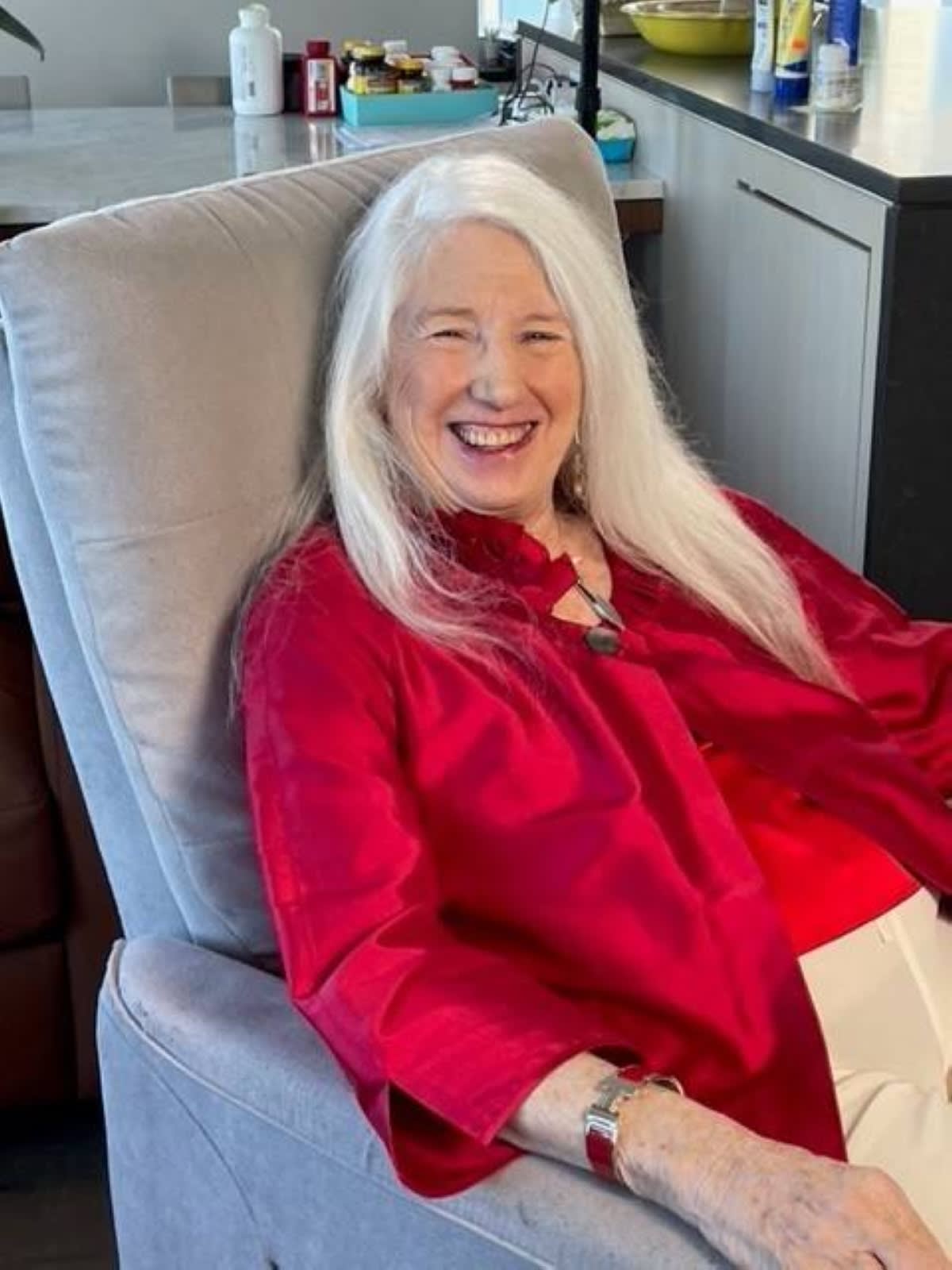
Scientist Fighting Disease That May Take Her Life Writes Memoir
Nancy Wexler discovered her mother's illness was hereditary and she had a 50% chance of getting it. Instead of retreating, she led the groundbreaking research that found the gene responsible for Huntington's disease.
At 23 years old, Nancy Wexler learned devastating news that would define her life's purpose. Her mother had Huntington's disease, a fatal hereditary disorder that killed her grandfather and three uncles, and Nancy faced a coin-flip chance of developing it herself.
Most people would have crumbled under that weight. Nancy turned her fear into fuel.
For 22 consecutive years, she traveled to Lake Maracaibo, Venezuela, home to the world's largest concentration of Huntington's disease. She lived among families in impoverished barrios and stilt villages, building relationships while collecting data that would change medical history.
Her dedication paid off. Nancy's pioneering fieldwork helped scientists discover the gene responsible for Huntington's disease, opening doors to future treatments and cures.
Now 78, Nancy has written "My Life, My Science: Pursuing a Cure for Huntington's Disease," a memoir that shares both her scientific triumphs and personal struggles. She reveals the toll of deciding whether to have children and her gradual realization that she was developing the very disease she'd spent decades fighting.
Today, Nancy lives with Huntington's but continues her work as a neuropsychology professor at Columbia University and president of the Huntington's Disease Foundation. Her research earned her the prestigious Lasker Award for Public Service and the Cold Spring Harbor Double Helix Medal.
The Ripple Effect
Nancy's impact extends far beyond the lab. She helped create new models for scientific collaboration and mentored generations of researchers, especially women entering genetic research.
Her work also sparked crucial conversations about genetic testing ethics and how we use genetic information. These discussions continue to shape medical policy and patient rights today.
The memoir was written with her sister Alice, a historian, and writer Mark Hampton. All royalties support the Huntington's Disease Foundation's ongoing research efforts.
Carol Burnett praised the book as "a lesson in courage, fortitude, heroism, and above all...love." Nancy herself describes it simply: "Science gave me a way to fight back, but it was love for my mother, my family, and this community that sustained me."
Her father, psychoanalyst Milton Wexler, established what became the Huntington's Disease Foundation, turning family tragedy into hope for millions worldwide.
Nancy's journey proves that our greatest challenges can become our most powerful purposes.
Based on reporting by Google News - Disease Cure
This story was written by BrightWire based on verified news reports.
Spread the positivity!
Share this good news with someone who needs it