Scientists Help Double Service Dogs for People in Need
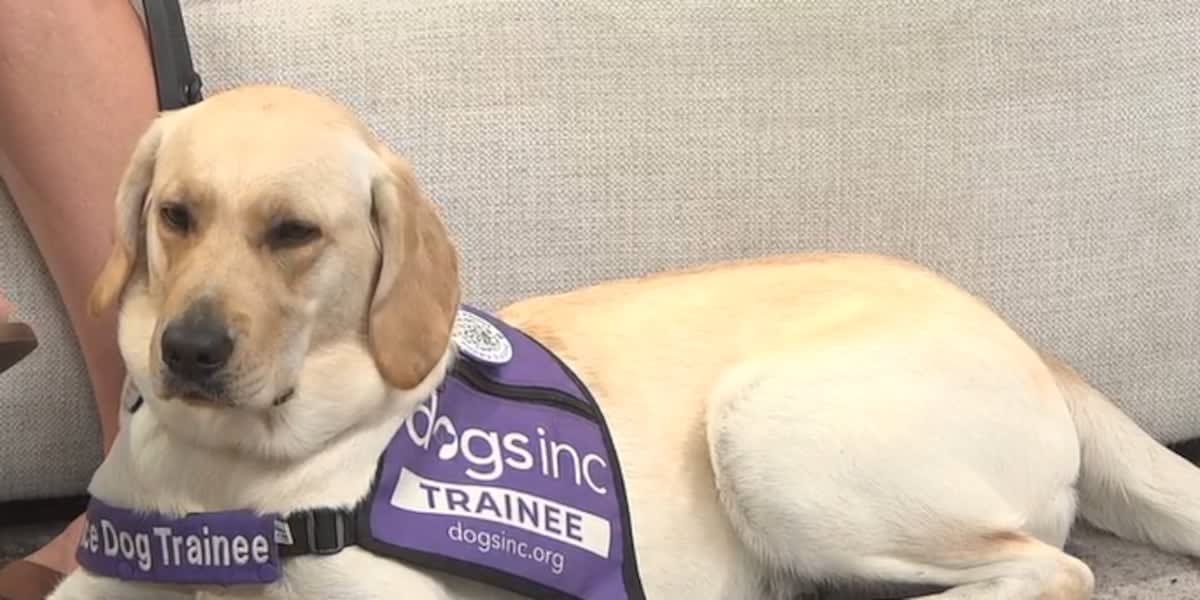
Only 1% of Americans with disabilities have service dogs, but new genetic research is changing that. Scientists partnered with Canine Companions to identify which puppies will succeed in training.
Imagine needing help with daily tasks like putting on socks or picking up your phone, but being stuck on a years-long waitlist for a furry helper. That's the reality for millions of Americans with disabilities who need service dogs.
Out of 61 million people living with disabilities in the United States, fewer than 1% are matched with service dogs. The shortage isn't from lack of demand. It's because genetics play a huge role in determining whether a dog can handle the rigorous training required for service work.
But researchers just found a solution that could change everything. By partnering with Canine Companions, one of the nation's leading service dog organizations, scientists developed new ways to identify which puppies have the genetic traits needed to become successful service dogs.
The breakthrough means trainers can now predict early on which dogs will thrive in their programs. Instead of investing months of training only to discover a dog isn't suited for the work, organizations can focus resources on puppies most likely to succeed.
Service dogs transform lives in ways most of us take for granted. They open doors for people in wheelchairs, retrieve dropped items, help people get dressed, and provide stability for those with balance issues. For someone with a disability, a service dog isn't just a pet. It's independence.
The genetic research helps solve a critical bottleneck in the service dog pipeline. Training a service dog costs tens of thousands of dollars and takes up to two years. When a dog washes out of the program, that's time and money that could have gone to training a successful candidate.
The Ripple Effect
This research doesn't just help individual people waiting for service dogs. It has the potential to reshape how service dog organizations operate nationwide. Better genetic screening means more efficient programs, shorter waitlists, and ultimately more people gaining independence.
Canine Companions and other organizations can now breed smarter, train more efficiently, and graduate more dogs. Every additional service dog placed represents someone gaining the ability to live more independently, hold down a job, or simply navigate their day with dignity.
The collaboration between scientists and nonprofits shows what's possible when research meets real-world need. Years of waitlists could shrink to months as programs implement these genetic insights.
For the 99% of Americans with disabilities still waiting for a service dog, this research brings that life-changing partnership closer to reality.
Based on reporting by Google News - Researchers Find
This story was written by BrightWire based on verified news reports.
Spread the positivity!
Share this good news with someone who needs it