Researchers Study Apple Watch Hypertension Feature
Scientists are taking a closer look at Apple's new hypertension detection feature to verify its accuracy. The research could help millions monitor their blood pressure more easily from their wrists.
Your smartwatch might soon become your most helpful health partner.
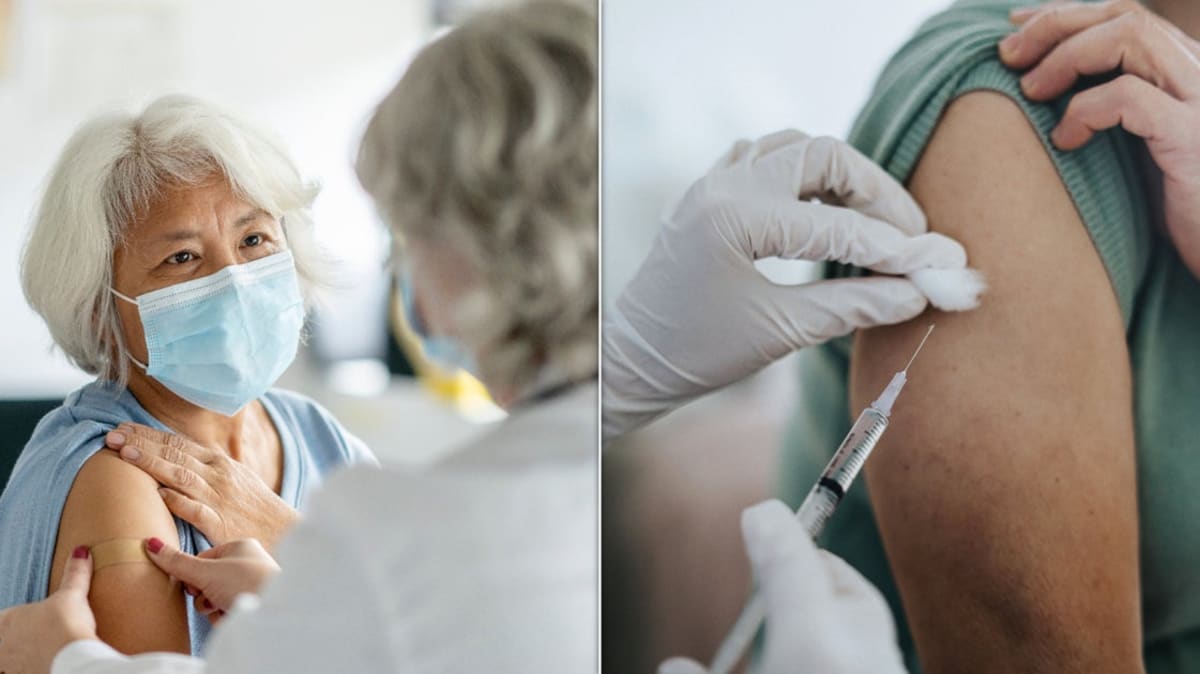
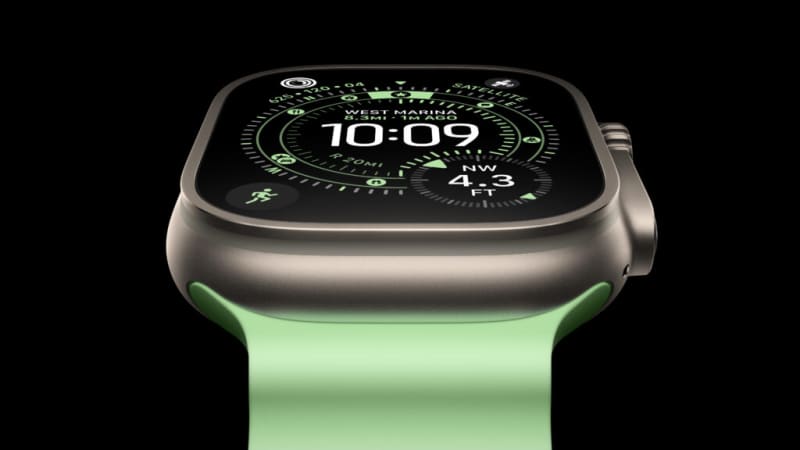
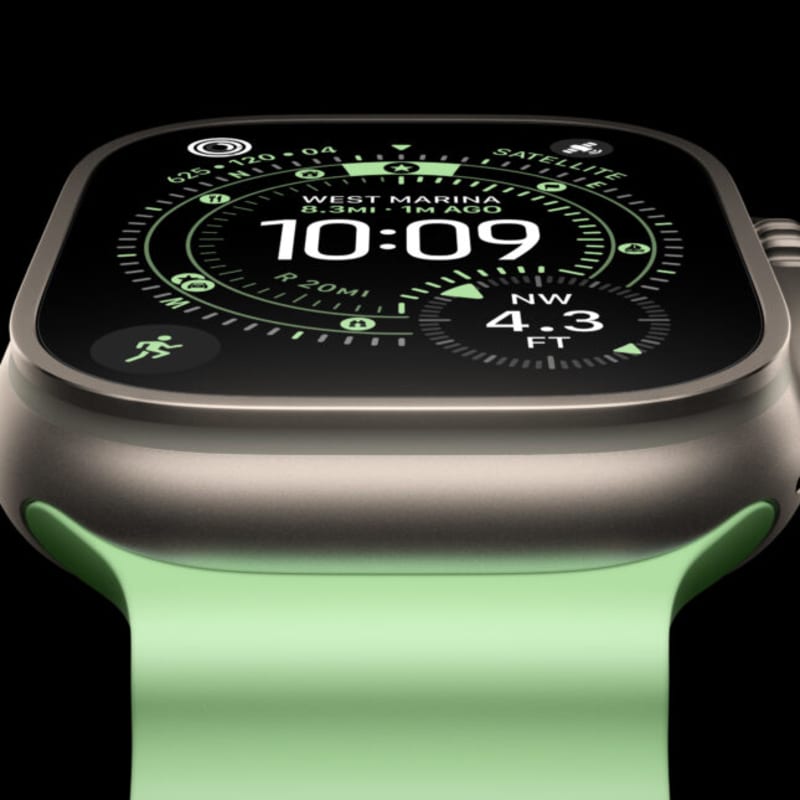
Researchers are now studying Apple's latest hypertension detection feature to see how well it works in real-world conditions. The tech giant added blood pressure monitoring capabilities to its Apple Watch, and scientists want to make sure it delivers reliable results for everyday users.
This matters because nearly half of American adults have high blood pressure, and many don't even know it. Catching hypertension early can prevent heart attacks, strokes, and other serious health problems down the road.
Apple's feature works by using sensors built into the watch to detect changes in blood pressure throughout the day. Unlike traditional cuffs that require you to sit still and measure at specific times, the Apple Watch can gather data continuously while you go about your normal routine.
The research team is comparing the watch's readings against standard blood pressure monitors used in medical settings. They're testing it on diverse groups of people to ensure it works accurately across different ages, body types, and health conditions.
The Ripple Effect
If the Apple Watch proves accurate, it could transform how millions of people manage their heart health. Regular monitoring helps people understand what triggers their blood pressure spikes, from stress to diet to sleep patterns.
The technology could be especially valuable for people in underserved communities who face barriers to regular doctor visits. A one-time purchase of a smartwatch might replace dozens of clinic appointments just for blood pressure checks.
Doctors are excited about the potential too. Having continuous data from patients' daily lives gives them a much clearer picture than a single reading taken in a medical office, where people often experience "white coat syndrome" and show artificially high numbers.
Other tech companies are watching closely and developing their own wrist-based monitoring systems. Samsung, Fitbit, and Garmin have all announced plans to add similar features to their devices in the coming months.
The research results are expected later this year and will help guide how doctors and patients use these new tools. Early signs suggest the technology is promising, though scientists want to be thorough before making recommendations.
Accessible health monitoring from your wrist might soon be as normal as checking the time.
More Images



Based on reporting by STAT News
This story was written by BrightWire based on verified news reports.
Spread the positivity!
Share this good news with someone who needs it