Reusable Spaceplane Makes Space Research Faster and Cheaper
A new competition lets researchers test experiments at the edge of space and return to fly again in months instead of years. The Aurora spaceplane takes off and lands like a regular plane, making space access as routine as commercial flights.
Space research is about to get a lot faster. A new U.S. program called the Runway-to-Space Spaceplane Challenge is giving scientists a chance to test their ideas at the edge of space without waiting years between attempts.
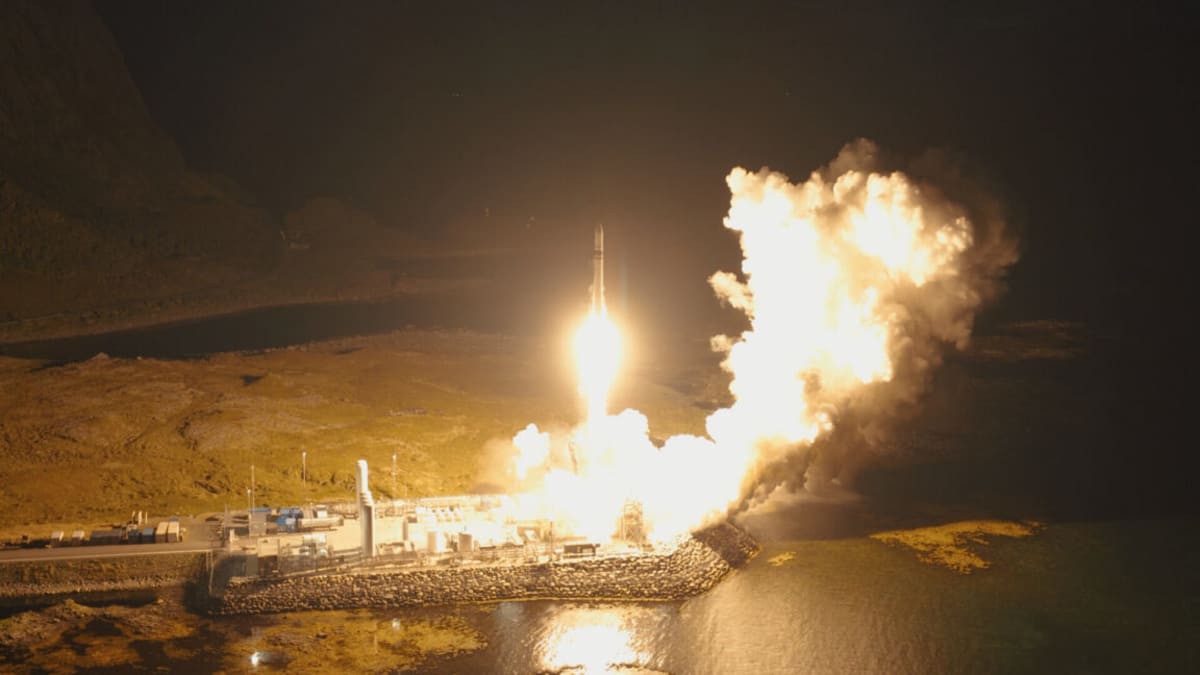
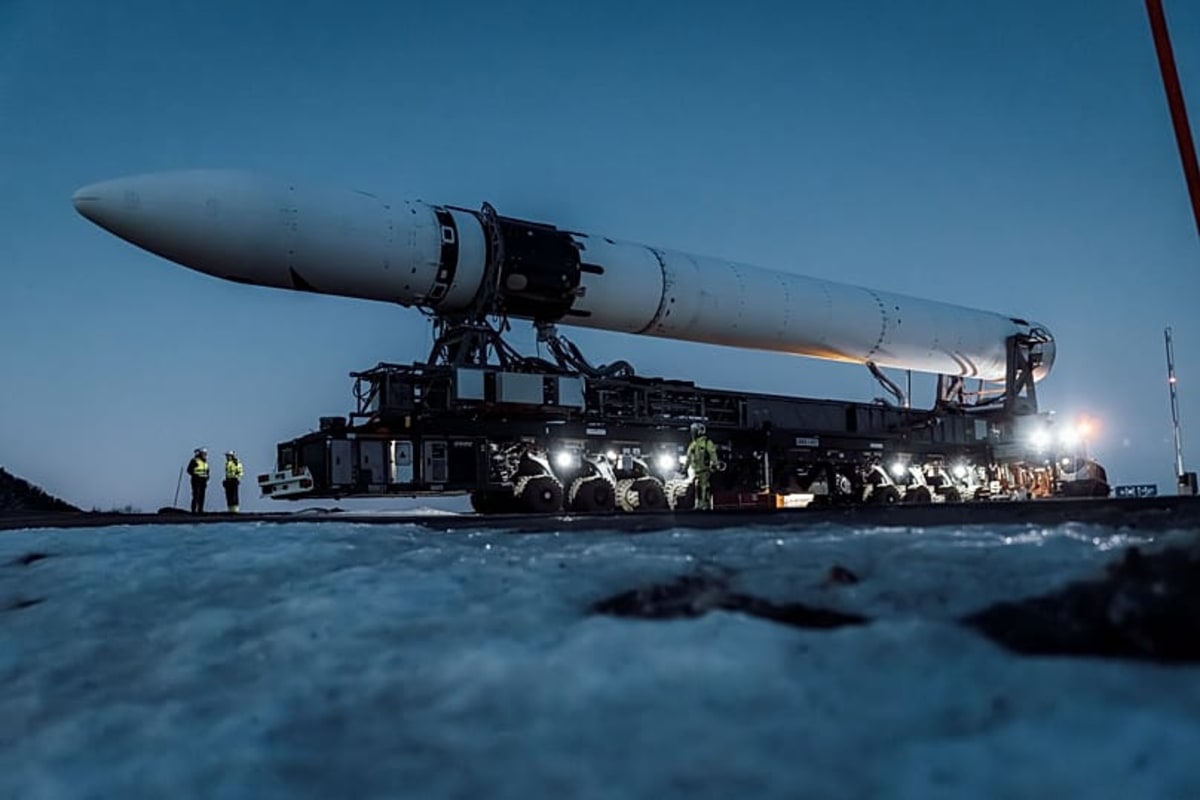
The program uses the Aurora spaceplane from Dawn Aerospace, which operates out of Oklahoma's Infinity One Spaceport. Unlike traditional rockets that launch once and fall back to Earth, Aurora takes off and lands on a runway like a regular plane.
The vehicle has already completed more than 60 missions. It reaches speeds above Mach 3.5 and climbs to about 62 miles high, where payloads experience just over two minutes of microgravity.
What makes this different is the turnaround time. Aurora can land, get prepared and fly again much faster than any traditional launch system. That means researchers can test an idea, make adjustments based on what they learned and fly again within months instead of years.
"Meaningful access to microgravity typically means going to orbit, which is expensive, slow, and often out of reach for early-stage ideas," said Stefan Powell, CEO of Dawn Aerospace. Aurora changes that by giving teams a fast, lower-cost way to test concepts that might never have gotten off the ground otherwise.
Former NASA Administrator Jim Bridenstine sees the bigger impact. "This competition is about capturing the imagination of scientists, engineers and researchers, while also enabling a new way of working, where research can move faster, iterate more frequently, and strengthen U.S. leadership in space-enabled science and industry."
The Ripple Effect
Think about how commercial airlines work. Planes land, refuel and take off again in hours. That same rhythm is now coming to space research.
This approach fills a crucial gap. Many early-stage experiments never make it to space because the cost and complexity are too high. With a reusable system that flies frequently, smaller teams and bolder ideas finally get their chance.
The program opens for applications in April 2026. Oklahoma-based universities and research institutions can apply to lead missions, though out-of-state partners can collaborate. Selected teams will fly payloads up to 33 pounds, with flights expected to begin in mid to late 2027.
The Oklahoma Space Industry Development Authority is investing heavily in spaceport upgrades to support these missions. New infrastructure designed specifically for spaceplane operations is already under construction.
This isn't replacing long-duration missions in orbit. Instead, it's creating a new pathway for innovation where ideas can evolve in real time. When teams can test more frequently, breakthroughs happen faster.
Space research is starting to look more like aviation, and that's opening doors for discoveries we haven't even imagined yet.
More Images


Based on reporting by Fox News Tech
This story was written by BrightWire based on verified news reports.
Spread the positivity!
Share this good news with someone who needs it