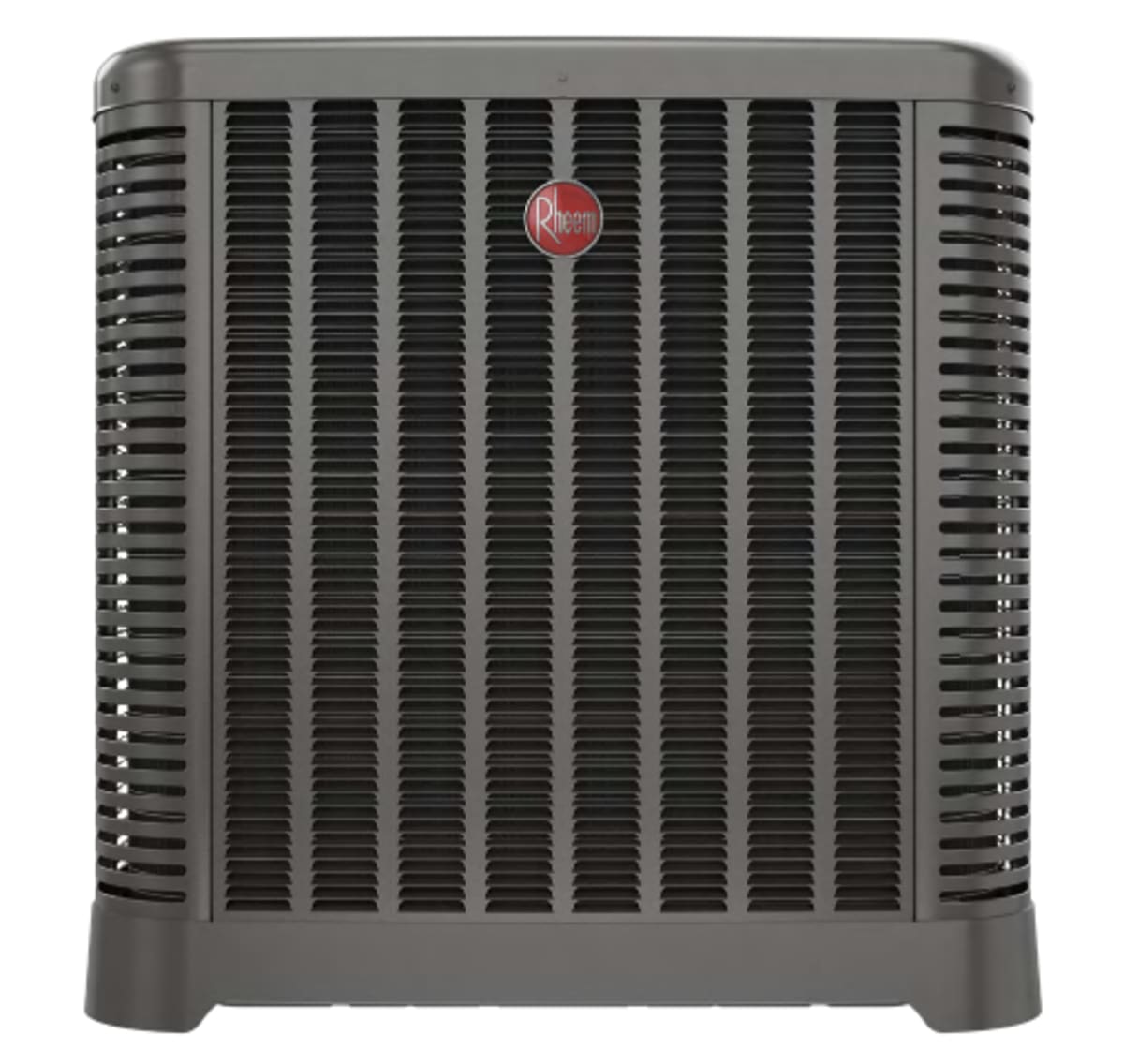
Rheem's New Heat Pumps Cut Climate Impact in Buildings
A major U.S. manufacturer just made greener heating accessible for apartment buildings, hotels, and schools. The new technology slashes energy use while working in temperatures as cold as -13°F.
Heating and cooling buildings accounts for nearly 40% of global energy use, but Rheem just launched a solution that could transform how apartments and hotels stay comfortable year-round.
The heating giant's new Torin heat pumps use cutting-edge technology to heat water and buildings while using 78% less energy than traditional systems. That's a game-changer for property owners trying to cut both carbon emissions and utility bills.
The secret lies in how the pumps work. For every unit of electricity they consume, they generate 4.5 units of heat by pulling warmth from outdoor air, even in extreme cold. Traditional electric heaters can only convert one unit of electricity into one unit of heat.
Rheem designed two models to fit different building sizes. The smaller 20 kW version suits mid-sized apartment complexes, while the larger 35 kW model can handle hotels and office buildings. Property managers can even connect up to 16 units together for massive facilities like university campuses.
The technology shines in versatility. The pumps work outdoors in brutal -13°F weather and can heat water to a steaming 150°F. They install indoors or outside, and they integrate smoothly with existing building management systems that control temperature throughout large properties.
Rheem built these units to last in real-world conditions. The heat exchangers use marine-grade stainless steel that resists corrosion, and the systems meet strict Energy Star efficiency standards. That durability matters for property owners making long-term investments in cleaner technology.
The timing couldn't be better. Multifamily buildings, hotels, schools, and government offices across the country face mounting pressure to reduce their carbon footprints. Many states now require new buildings to use electric heating instead of fossil fuels, and older properties need affordable ways to comply.
The Ripple Effect
When apartment buildings and hotels switch to heat pumps, the environmental benefits multiply across entire communities. A single 100-unit apartment complex switching to this technology could prevent roughly 200 tons of carbon emissions annually, equivalent to taking 43 cars off the road.
The shift also protects residents from volatile natural gas prices. Property owners pass utility savings along to tenants through lower rent or reduced utility bills, making housing more affordable in communities already stretched thin by rising costs.
As more manufacturers like Rheem invest in efficient heating technology, the equipment becomes more affordable and accessible. That creates a positive cycle where cleaner buildings become the norm rather than the exception, helping cities meet ambitious climate goals without forcing impossible choices on property owners.
Every hotel guest enjoying a hot shower and every student learning in a warm classroom can now do so knowing their comfort doesn't have to cost the Earth.
More Images


Based on reporting by PV Magazine
This story was written by BrightWire based on verified news reports.
Spread the positivity!
Share this good news with someone who needs it