Rhode Island Students Design & Run Their Own 5-Acre Farm
A group of middle schoolers didn't just learn about farming in a classroom. They designed an entire 5-acre working farm that now feeds hundreds of families while teaching 700 students real-world skills.
Students in Portsmouth, Rhode Island, sketched their dream farm on paper during remote learning in 2020. Today, that hand-drawn design is a thriving 5-acre operation that's changing how kids learn about food, sustainability, and community service.
The Portsmouth AgInnovation Farm started when 25 middle schoolers, stuck at home during COVID-19, joined a virtual club led by science coach Margie Brennan. She showed them a photo of empty land and asked a simple question: What should a farm here look like?
The students drew detailed plans for gardens, greenhouses, and chicken coops. Then something remarkable happened. Adults actually listened.
Farm manager Sara Churgin and her team at the Eastern Rhode Island Conservation District turned those sketches into reality. The catch? Students had to justify every idea and help find funding for it themselves.
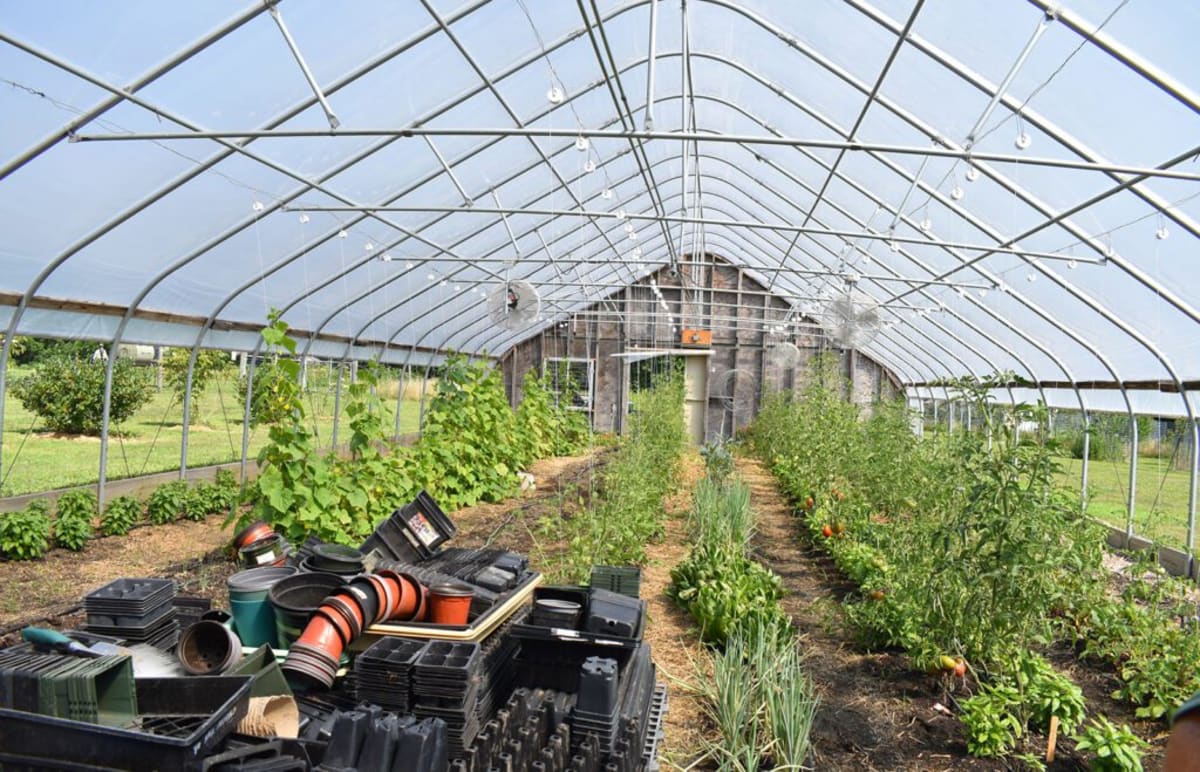
Now the farm backs onto Sisson Pond on property owned by Cloverbud Ranch. Students from Portsmouth, Middletown, and Newport dig channels for basil and fennel, water seedlings, and care for chickens. They learn by doing, with most classes happening outside under the sun instead of behind desks.
The food they grow goes straight to local food banks. Starting soon, it will also stock school lunch programs across Aquidneck Island.
In six years, 700 students have worked this land. They're not just growing vegetables. They're exploring careers in agriculture, practicing sustainable farming methods, and building skills that textbooks can't teach.
Paul Zurlo, who owns Cloverbud Ranch, reached out to Churgin in December 2019 about using the fallow land. By 2020, that empty space had become a student-powered classroom where learning smells like fresh soil and looks like rows of growing food.
The Ripple Effect
The farm proves that young people can drive real environmental solutions when given the chance. Churgin now wants to expand the model to other school districts and nonprofits across Rhode Island.
The original laminated sketch from those first 25 students still hangs in the farm's classroom shed. It's a daily reminder that big ideas can come from anywhere, even from kids learning on computer screens during a pandemic.
This winter, the greenhouse will operate year-round for the first time, meaning students can keep learning and growing food even when snow covers the fields. What started as a virtual club has become a model for how education and agriculture can strengthen communities together.
More Images
Based on reporting by Google News - School Innovation
This story was written by BrightWire based on verified news reports.
Spread the positivity!
Share this good news with someone who needs it