Rice-Based Smart Material Responds to Speed of Impact
Scientists turned ordinary rice into a breakthrough material that automatically stiffens or softens based on how fast it's hit. The discovery could lead to safer robots and protective gear that adapts on its own.
A staple food eaten by billions just became the inspiration for materials that think for themselves.
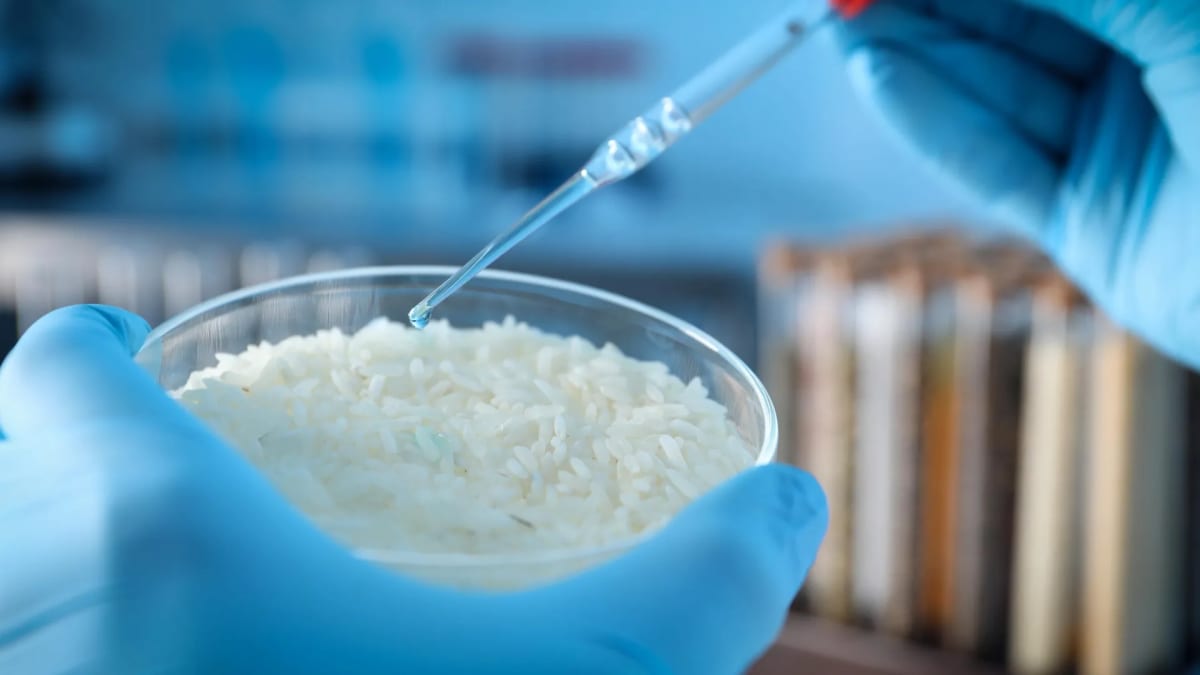
Researchers at the University of Birmingham discovered that packed rice grains behave in a surprising way under pressure. When squeezed slowly, rice stays strong, but when compressed quickly, it actually becomes weaker.
This unusual property, called "rate softening," happens because friction between rice grains drops sharply under rapid force. The internal networks that normally support the load simply collapse faster.
Instead of treating this as a curiosity, scientists turned it into a solution. They combined rice with materials like sand, which get stronger under rapid loading, creating a metamaterial that responds differently to gentle movements versus sudden impacts.
Dr. Mingchao Liu from the University of Birmingham explained the breakthrough simply: the material decides how to respond based on physics, not programming. Fast loads trigger one behavior, slow loads trigger another, all without electronics, sensors, or external power.
The applications could transform how we build robots and safety equipment. Soft robots made with this material could work safely alongside people, adapt to delicate tasks like surgery, and operate in challenging environments where traditional metal robots fail.
The Ripple Effect
The real magic lies in what this material doesn't need. No computer chips. No batteries. No complex sensors telling it what to do.
Protective equipment built with these materials could automatically absorb energy during a collision or deform in just the right way to prevent injury. A helmet or padding would know the difference between a gentle bump and a dangerous impact, responding appropriately every single time.
The research, published in the journal Matter, shows how everyday materials hiding in our kitchens might hold answers to some of engineering's toughest challenges. Rice feeds the world, and now it might help keep us safer too.
This discovery opens doors for lighter, smarter systems that protect and assist us through their own mechanical intelligence.
Based on reporting by Google News - Scientists Discover
This story was written by BrightWire based on verified news reports.
Spread the positivity!
Share this good news with someone who needs it